Saarani Vengadesen is a biosafety law researcher working at the intersection of science, policy, and biotechnology. With a background in crop breeding and biotechnology, she focuses on translating scientific innovation into effective, science-based policies that support agriculture and food security through responsible governance of biotechnology.
What inspired your career in STEM? (This could be an event or significant moment, or someone like a parent, teacher or community member)
My interest in STEM began during high school, when I watched a Tamil movie titled “7 aum Arivu” on genetic engineering. I was fascinated by the idea that something as small as DNA holds vast amounts of genetic information that shapes life.
What captivated me even more was the possibility of engineering this genetic material to solve real-world problems. That moment sparked my curiosity and inspired me to pursue a path in biotechnology.
This curiosity deepened during my undergraduate studies, where my research project focused on crop breeding. I had the opportunity to grow and manage my own eggplants, which gave me firsthand insight into the realities of agriculture.
Through this experience, I began to understand the challenges farmers face, from environmental uncertainties to the limitations of conventional breeding methods.
It was then that I realised a critical gap: scientific innovation alone is not enough. Even the most promising technologies cannot create a meaningful impact unless they are accessible to farmers.
This understanding led me to recognise the importance of effective, science-based policies in bridging the gap between innovation and real-world application.
Motivated by this, I chose to carve my path at the intersection of science and policy. My goal is to ensure that scientific advancements, particularly in biotechnology, are translated into practical, accessible solutions that support farmers and contribute to food security.
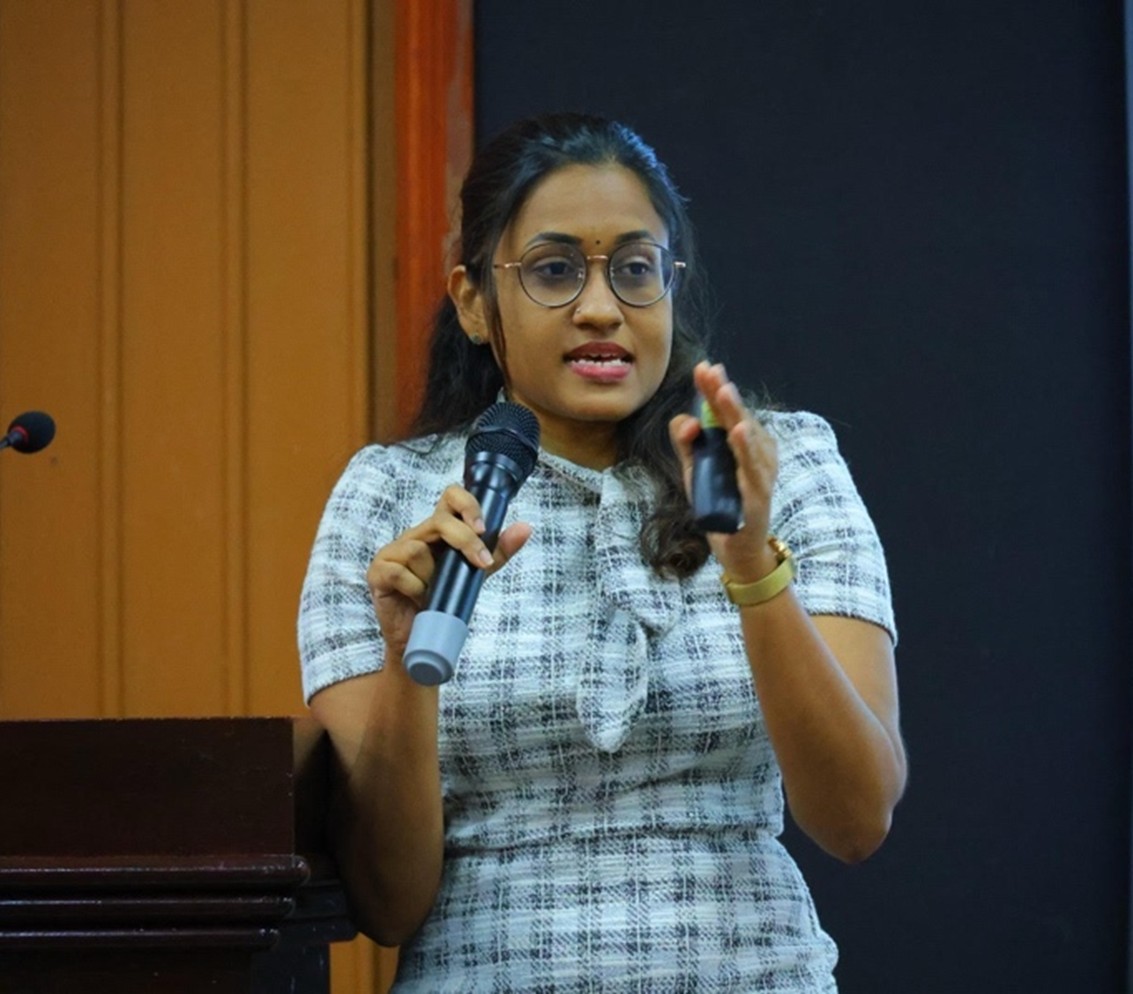
I delivered a talk on science communication in Penang, August 2025, organised by RECSAM (Southeast Asian Ministers of Education Organisation Regional Centre for Education in Science and Mathematics).
What is your educational background? Where do you work now, and what interests you the most about your work?
I hold a bachelor’s degree in Biotechnology from Universiti Malaysia Sabah, followed by a master’s degree in Development Studies from Universiti Malaya. I am currently pursuing a PhD in Biosafety Law at Universiti Malaya.
What makes my career path unique is the integration of science, policy, and law. By combining these disciplines, I aim to strengthen food security through the responsible use of modern biotechnology.
My work focuses on ensuring that scientific innovations are supported by effective policies and regulatory frameworks that enable their safe and meaningful application in agriculture.
What area of research do you do, and why is it important to society?
My area of research is biosafety law. My research area sits at the intersection of science, policy, and law, focusing on how modern biotechnology, particularly gene editing, can be effectively governed to benefit society.
This is important because scientific innovation alone is not enough; without clear, science-based regulatory frameworks, these technologies may never reach the people who need them most.
In the context of food security, countries like Malaysia face increasing challenges, including population growth, climate change, and heavy reliance on food imports.
Modern biotechnology offers solutions, such as developing crops that are more resilient, nutritious, and productive. However, without the right biosafety laws and policies, the adoption of these innovations can be delayed, restricted, or misunderstood.
My research is important because it helps bridge this gap. By examining regulatory approaches and improving policy design and implementation, I aim to ensure that safe and beneficial technologies can be responsibly introduced into the agricultural system. This not only supports farmers by providing them with better tools but also contributes to national and global food security.
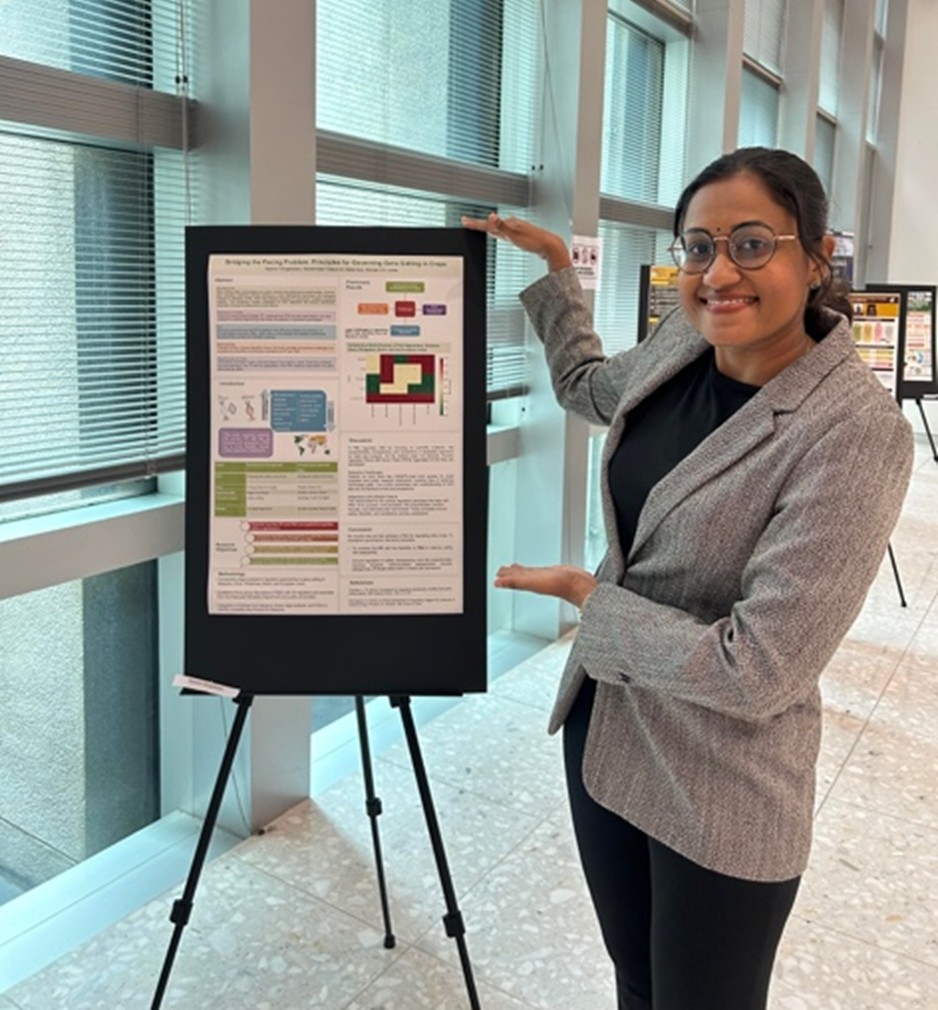
I presented my PhD research at the 2025 Australia-Malaysia Virtual PhD Internship Program Symposium.
What are some of the biggest challenges you have faced in your research, and how did you address them?
One of the main challenges in my research is that biosafety law in Malaysia is still in its early stages.
This means there is limited literature and precedents to guide my study, making it more difficult to build a strong foundation from existing research.
Another challenge is identifying the right stakeholders and engaging them effectively. To make my study meaningful and practical, I need input from a diverse range of actors, including regulators, policymakers, industry experts, and scientists whose perspectives are crucial for understanding how laws and policies can be designed and implemented to support modern biotechnology.
Despite these challenges, navigating this uncharted area also presents a unique opportunity to contribute to the development of robust, evidence-based biosafety policies in Malaysia.
Many think scientists only work in labs, but that’s not always true. What do you think of this perception? Where have you done the research for your work, or where have you worked in the past?
Not all scientists work in laboratories, and I am one of them. I am a social scientist whose work focuses on the intersection of science, policy, and law.
My research is primarily desk-based, focusing on analysing legislation, regulatory frameworks, and policy developments related to modern biotechnology.
However, my work also extends into the field through stakeholder engagement. I conduct interviews and facilitate focus group discussions with regulators, industry players, and scientists to understand real-world challenges and perspectives.
This approach allows me to bridge the gap between scientific innovation and policy implementation.
By combining evidence from legal analysis and stakeholder insights, I aim to contribute to more effective, inclusive, and science-based regulatory systems.
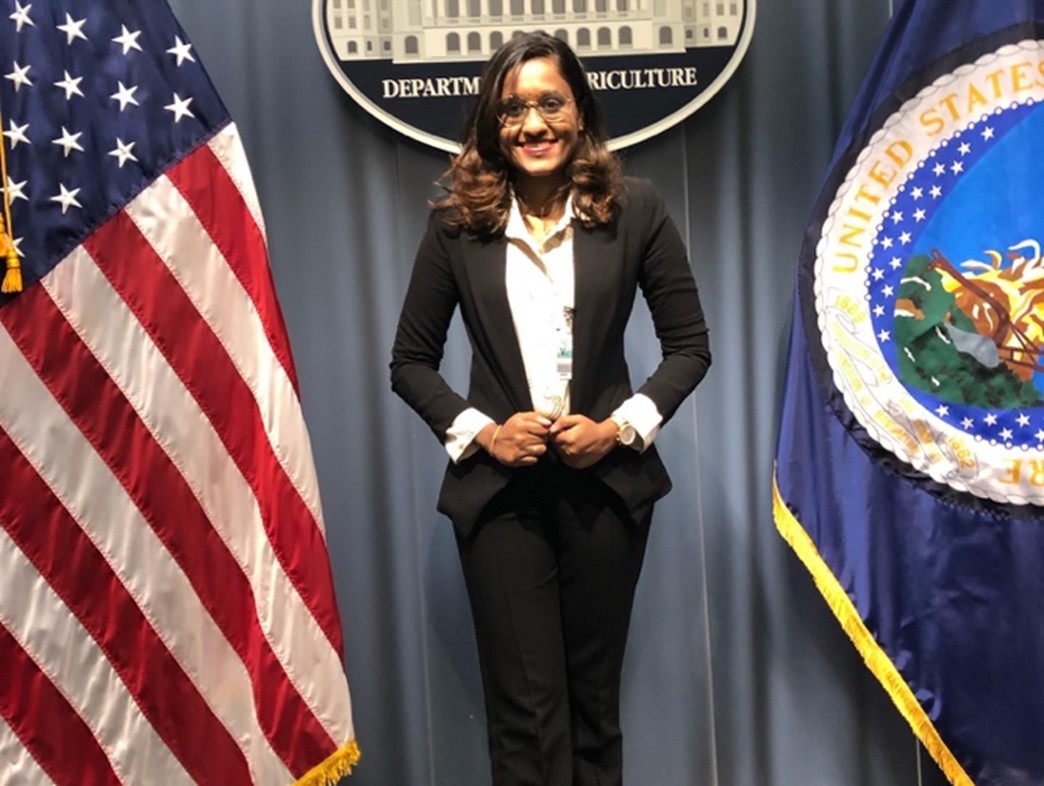
I had an insightful visit to the United States Department of Agriculture in Washington, D.C., in 2022, which provided valuable perspectives on agricultural innovation, biotechnology regulation, food security, and science-based policymaking.
Can you share any interesting or funny stories while pursuing your research?
One of the funniest and most eye-opening parts of my study has been rediscovering something we were all taught in school: honesty really matters!
As kids, teachers hammered home the value of honesty, but somehow, as adults, we forget it, especially in professional settings.
During my stakeholder interviews, I noticed a pattern: the more candid and real the stakeholders were, the better the study turned out.
Sometimes their honesty was so refreshingly blunt that it made me laugh and also realise, “Ah, back to basics!” Their openness not only improved the research but reminded me that even in serious work, the simplest values, like honesty, can make a huge difference.
For example, rather than offering diplomatic answers such as “working in gene editing is challenging,” the experts shared the real issues on the ground, including limited funding, gaps in capacity building, and the practical constraints of implementing innovation within regulatory systems.
The honest conversations provided deeper insight into the realities of advancing agricultural biotechnology and science-based policy.
What motivates you when you feel “down,” and how do you come back stronger & more enthusiastic at work? What do you find most rewarding about your job?
When I feel down, what keeps me going is knowing that my work contributes something novel. My research can serve as a foundation; others can expand on it, build on it, and carry it forward.
I see myself as a starting point for many in the next generation of scientists, policymakers, and researchers. That responsibility pushes me to keep going, even when challenges feel overwhelming.
Above all, I am motivated by the bigger picture: the world needs solutions to ensure food security, and my work in science, policy, and law plays a small but essential part in making that happen.
Of course, we are all human. When I feel exhausted or down, I like to reconnect with nature. I especially love snorkelling, it helps me feel calm and refreshed.
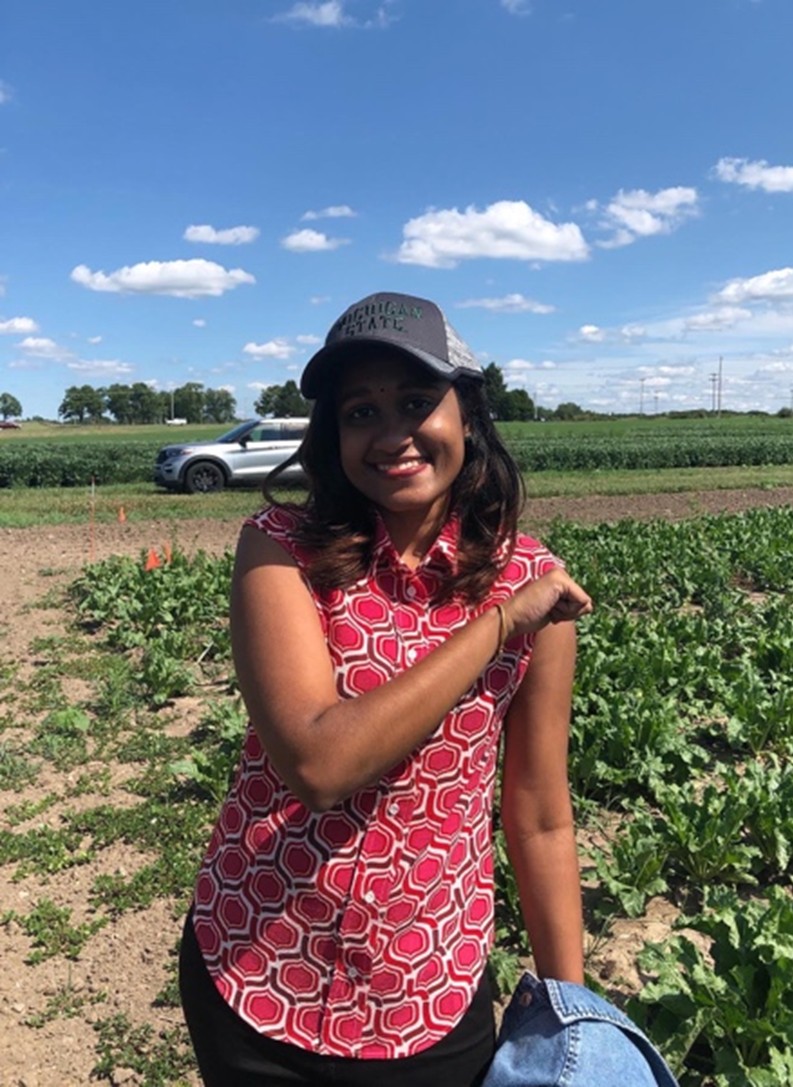
I visited a genetically modified sugar beet farm in Michigan, United States of America, in 2022.

My snorkelling adventure at Mamutik Island.
What advice would you give young people interested in pursuing a career in STEM?
To anyone pursuing a career in STEM, my advice is simple: think big. Don’t limit yourself by worrying about your salary today or short-term gains. Instead, follow your passion and aim to make a global impact.
Remember, the work you do in STEM is not confined to one country; it has relevance far beyond Malaysia. The discoveries you contribute and the solutions you develop can reach communities around the world.
In this way, you have the potential to become a global star, shaping innovations that matter to people everywhere. So dream big, stay curious, and keep pushing boundaries.
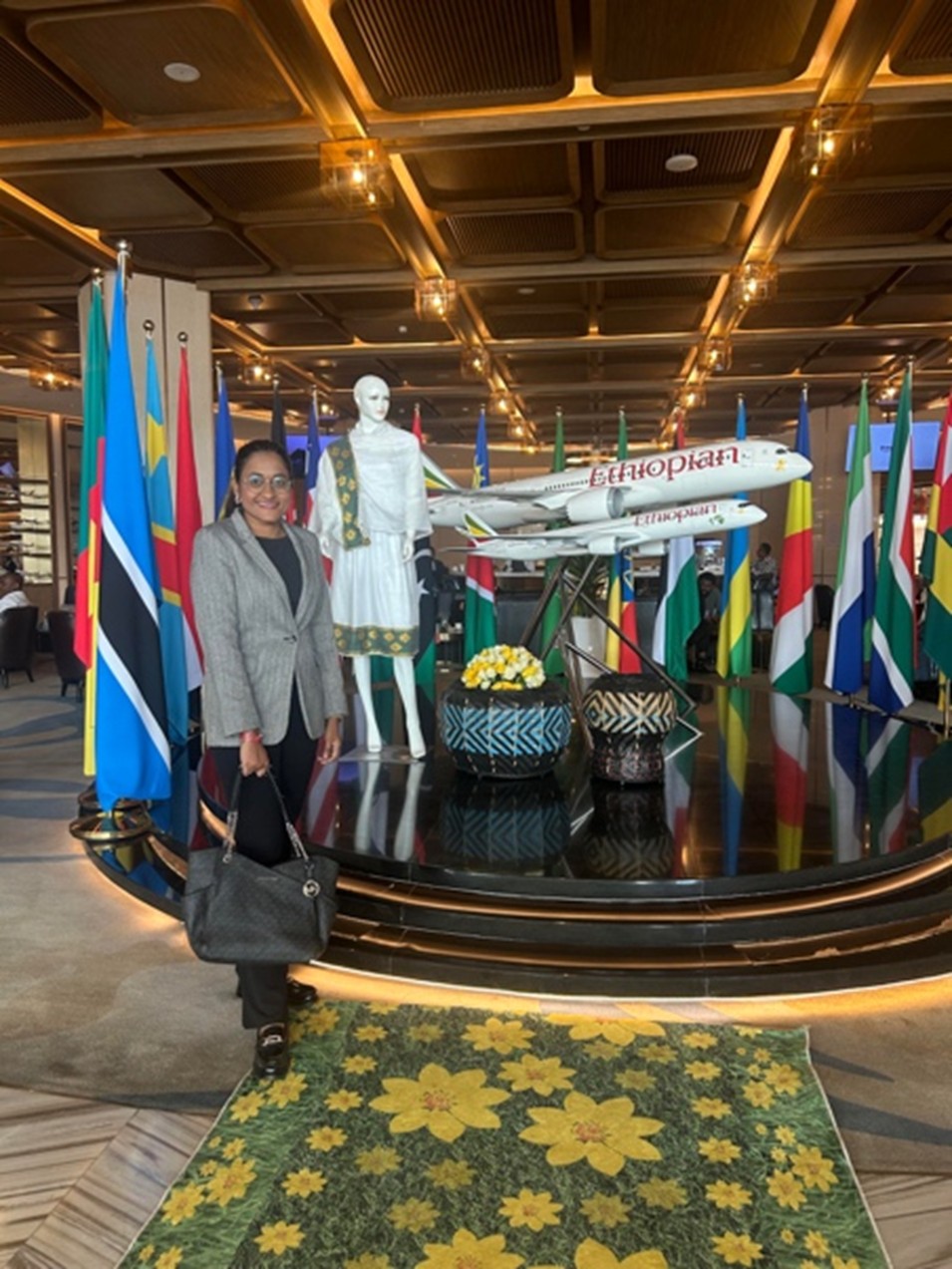
I visited Addis Ababa, Ethiopia, in February 2026 to deliver a talk about science communication outreach.
What skills do you think they should develop?
No matter how brilliant your research is, it won’t make an impact if no one knows about it. One of the most important skills in STEM is learning how to position yourself and “sell” your work to the right people and communities.
Don’t be a conventional scientist bound to the lab bench. Go out, network, and make connections. The world is bigger than your desk, and your ideas deserve to be seen, heard, and applied.
What areas will be most exciting to explore in the coming years?
One of the most exciting frontiers in the coming years is the intersection of science and technology.
This is where innovation truly takes off, combining deep scientific understanding with cutting-edge tools to solve real-world problems. For example:
- Data Science in Life Sciences – Using big data, AI, and machine learning to analyse complex biological systems, predict crop performance, or improve healthcare outcomes.
- Synthetic Biology & Biotechnology – Designing organisms or biological systems for sustainable agriculture, medicine, or environmental solutions.
- Precision Agriculture – Combining sensors, drones, and genetic insights to optimise crop growth and resource use.
- Bioinformatics & Genomics – Integrating computational tools with genetics to understand diseases, improve crops, or track biodiversity.
- Science-Policy-Technology Nexus – Using scientific and legal insights to create policies that enable safe, responsible, and scalable technology adoption.
The exciting thing is that these areas are not just local; they have global relevance. By combining science with technology, the next generation of innovators can create solutions that truly transform industries, societies, and lives. 🐝