For Dr Ally Yeo Chien Ing, chemistry provided the perfect way to explore the questions that had always fascinated her. Today, her journey from researching metal-based medicines to training professionals in AI demonstrates how STEM skills can unlock unexpected and rewarding career pathways.
What inspired your career in STEM?
My passion for STEM comes down to a simple drive: I love drilling down to find the answer.
It all started with the satisfaction of solving complex mathematical problems. Later, when I was introduced to science at school, it felt like the perfect way to answer the endless questions running through my mind.
Looking back, I am incredibly grateful to my brother-in-law. Coming from a family that wasn’t highly educated, my relatives only really knew about traditional, non-STEM paths.
Because of that, his support was everything when I decided to enrol in a chemistry degree, especially at a time when there was still a strong bias against women pursuing higher education in science.
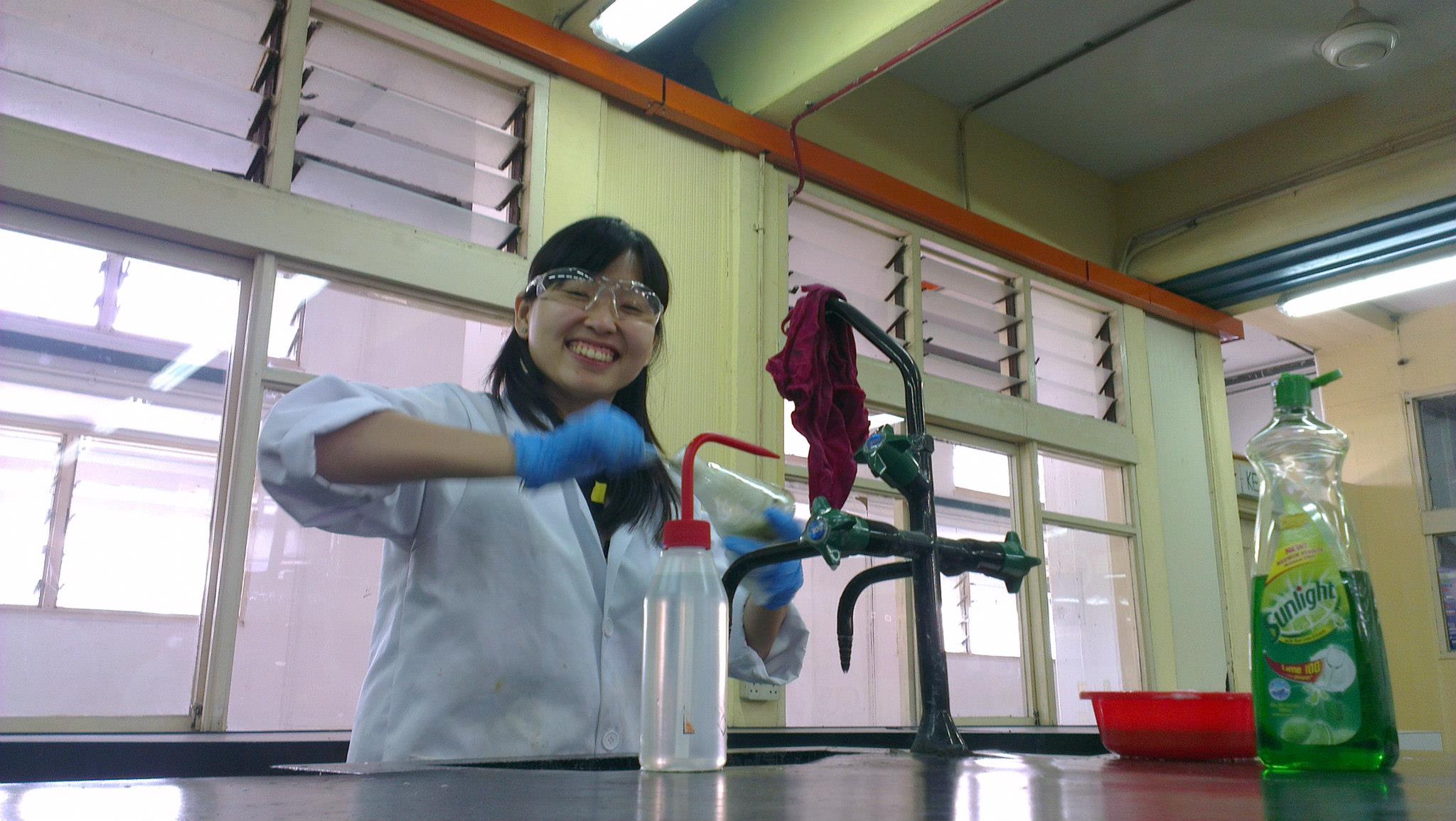
Finding joy in the lab, even if it’s just washing glassware.
For me, chemistry is beautiful because it uses concrete experimental evidence to test hypotheses.
What is your educational background? Where do you work now, and what interests you the most about your work?
I graduated with a first degree in chemistry from UTAR. I went straight on to pursue a PhD in Chemistry at UM, specialising in coordination chemistry.
Right after completing my doctorate, I moved to Sunway University alongside my PhD supervisor. Together with another colleague, we established fully functional, cutting-edge research laboratories from the ground up, equipping them with a wide range of state-of-the-art scientific instruments.
From there, I built my academic career focusing on the research and development of metal-based drugs, while also qualifying as a certified Radiation Protection Officer.
After a decade in this field, I pivoted into my current role as an AI trainer accredited by HRDC.
Throughout my time as a researcher at Sunway University, I was driven by a deep passion for finding concrete answers to complex scientific questions.
For instance, I always wanted to know exactly how molecules interact in solution, and turning to the Nuclear Magnetic Resonance (NMR) spectrometer would always give me that answer.
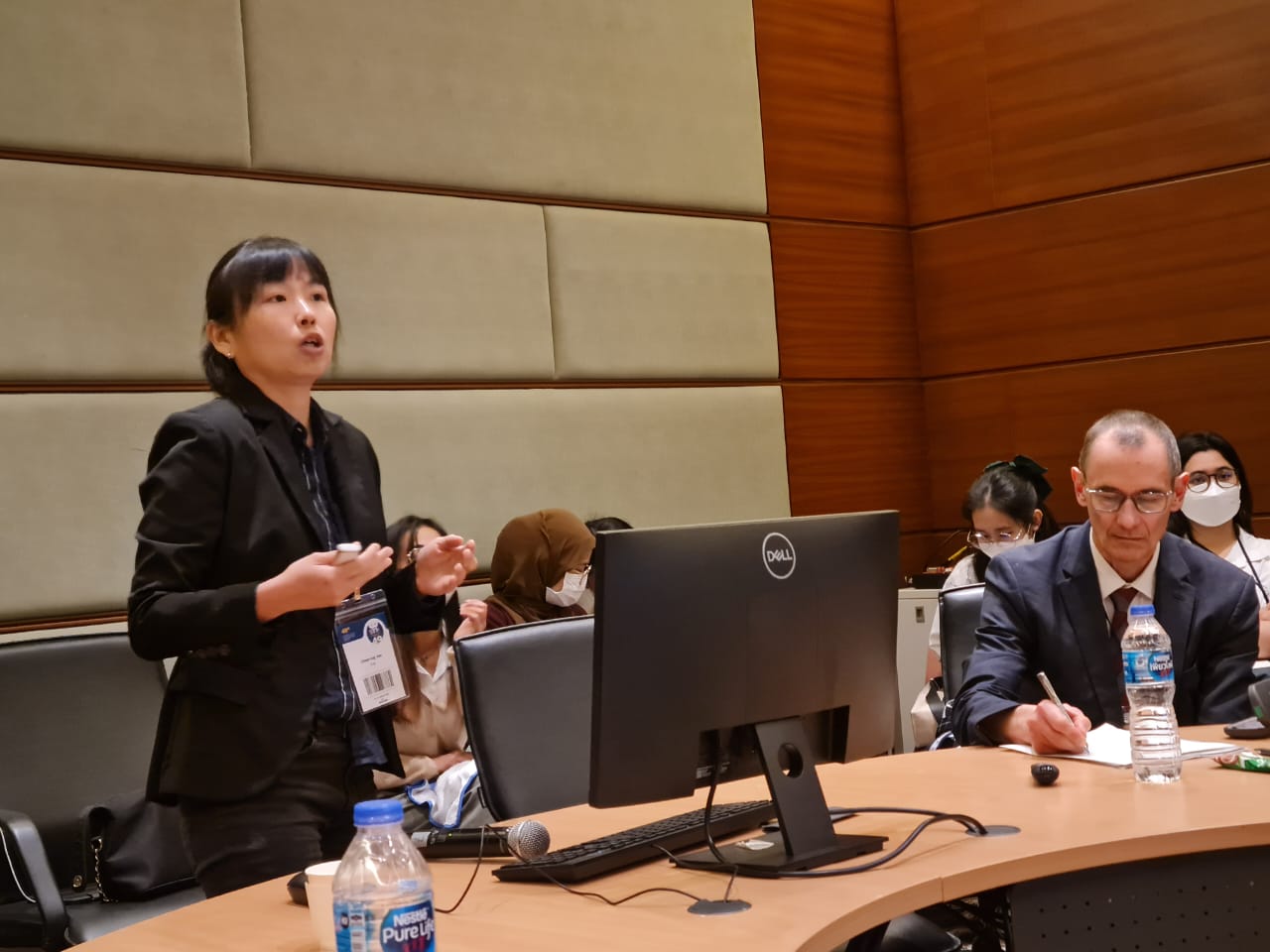
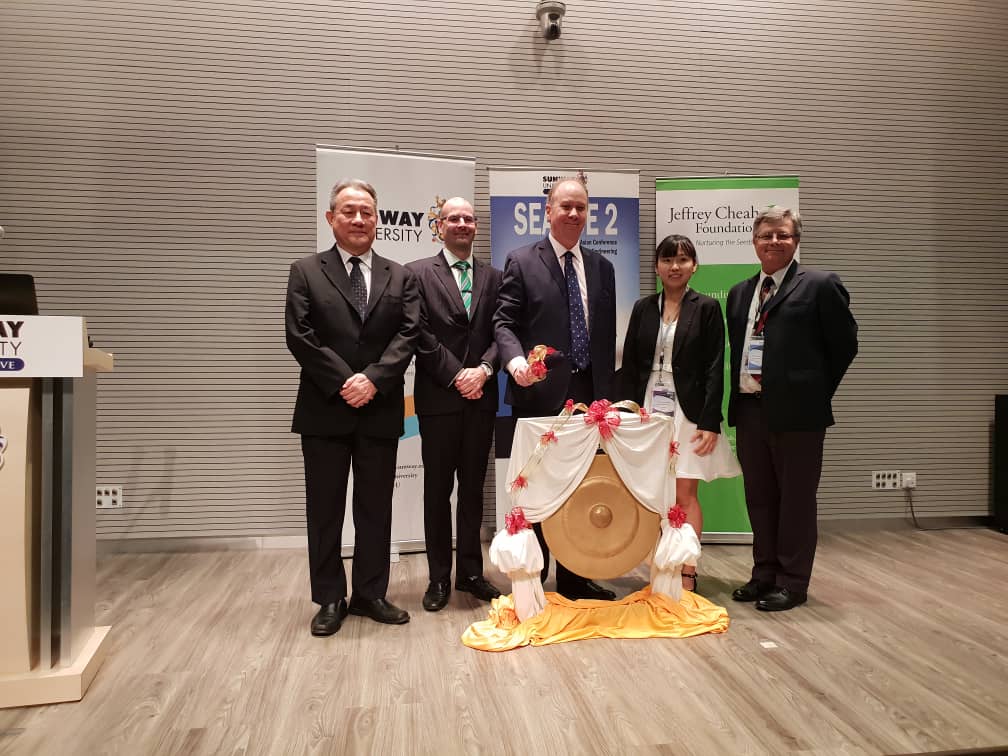
From participating in international conferences to organising them, global collaborations keep my passion for science alive.
While I loved the hands-on research and operating the NMR, I found equal joy in exchanging knowledge with a global community of like-minded, passionate scientists through my participation in international conferences.
I enjoyed it even more when I pushed my own boundaries as a scientist by shouldering various responsibilities. It challenged and enhanced my soft skills in ways I didn’t expect, from chairing workshop and conference sessions and organising entire events to handling strict financial planning for grant applications and, essentially, learning to pitch my research ideas with a businessperson’s mindset.
What area of research do you do, and why is it important to society?
My research focuses on the development of metal-based drugs, particularly gold-based therapeutics and their alternatives.
While Auranofin is well-established as a treatment for rheumatoid arthritis, its high cost remains a significant barrier. Safeguarding human health is the most important mission we can pursue, because good health is the foundation that allows us to explore everything else life has to offer.
My work is twofold: modifying the structures of new gold-based drugs to achieve enhanced, specialised therapeutic effects, while simultaneously designing metal-based alternatives that deliver outstanding bioefficacy at a much lower cost.
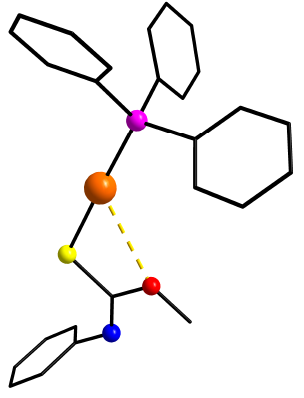
A gold-based complex rendered in DIAMOND software, showcasing the beautiful intramolecular interaction that operates within the molecule.
What are some of the biggest challenges you have faced in your research, and how did you address them?
The main challenges in fundamental research usually come down to two things: financial constraints and a shift in priorities from fundamental science toward application-based work. These are among the most common hurdles for fundamental research scientists today.
Because national grant applications now place a heavy emphasis on immediate application, securing funding for foundational science has become exceptionally difficult.
This ongoing shift has shrunk the fundamental science community, leaving the researchers who remain passionate about it feeling isolated and mentally drained.
To navigate these challenges, I took a proactive approach. I began applying for international research grants and offered specialised analytical services to generate alternative income for the research centre, thereby fueling my research activities.
I also focused heavily on cross-institutional collaboration with researchers who share common goals.
By partnering with application-focused scientists, I could leverage my expertise to provide them with the deep, fundamental understanding needed to truly support and anchor their science innovations.
Many think scientists only work in labs, but that’s not always true. What do you think of this perception? Where have you done the research for your work, or where have you worked in the past?
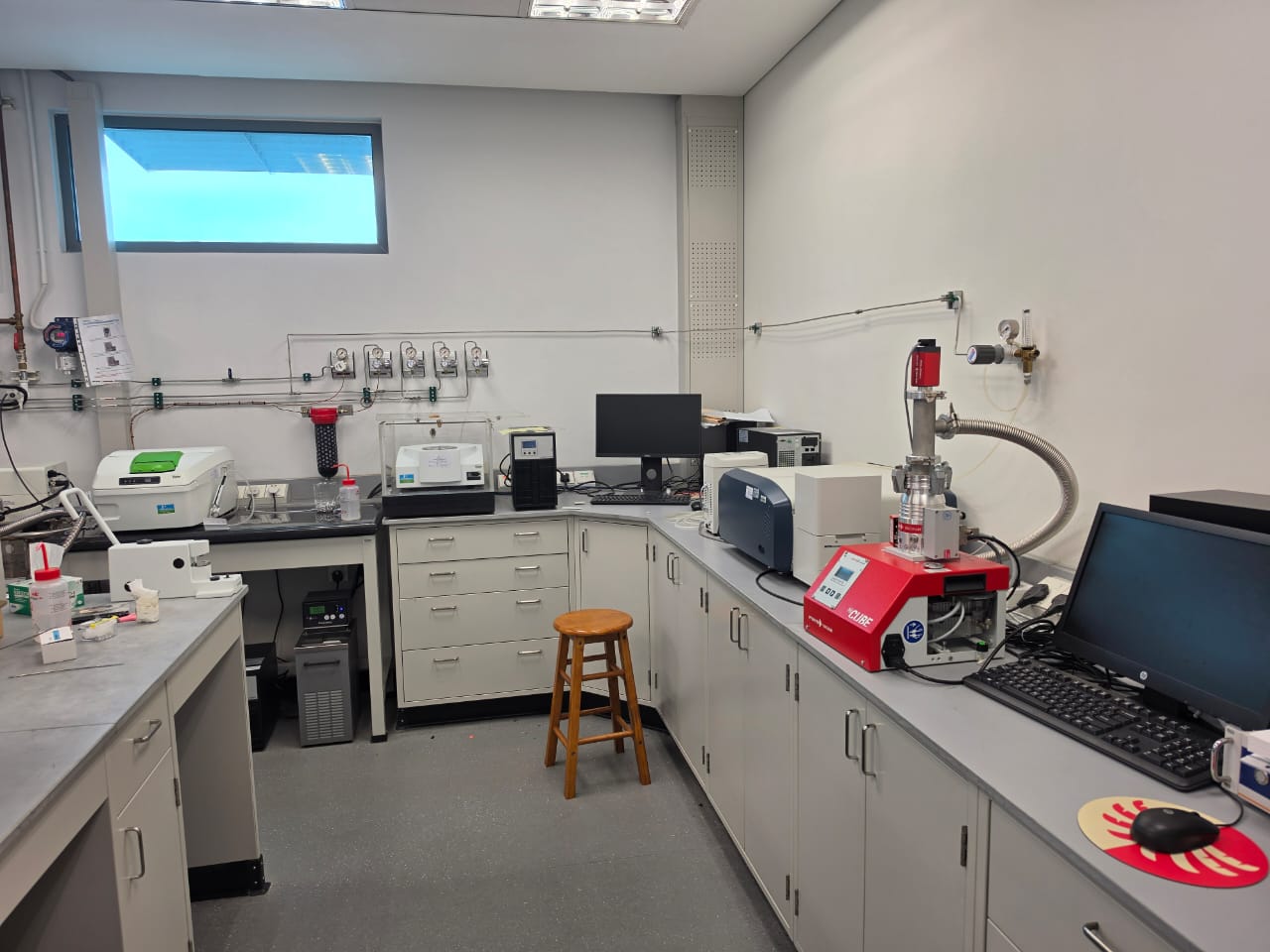
Some see a laboratory as just a workspace, but to me, it is a space where curiosity runs free.
For a chemist, that perception is actually about 70% true. As a synthetic and analytical chemist, I consider the laboratory my primary playground. They are essential spaces that ensure I can conduct my research safely, protecting both me and the general public.
However, a significant portion of my research is conducted at a computer, where I use computational software to conduct structural studies.
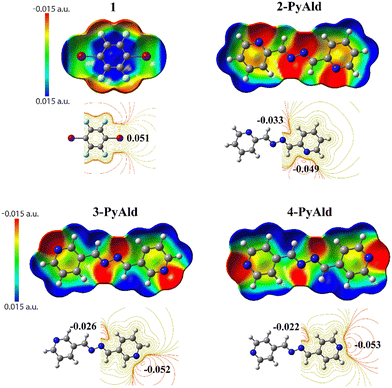
Yet another digital playground of mine, i.e. my laptop. Mapping Molecular Electrostatic Potential (MEP) to visualise molecules is another way for me to have fun with chemistry!
Furthermore, in my roles as a radiation protection consultant and an HRDC-accredited AI trainer, my definition of a “lab” has expanded dramatically.
Today, my work takes me into manufacturing facilities that utilise irradiation apparatus in their processes, as well as various businesses looking to build their AI readiness and optimise their workflows.
Can you share any interesting or funny stories while pursuing your research?
There are so many funny, interesting memories from my days in the lab that I will always cherish, though most of them are inside jokes that only my team would get. Because, believe it or not, chemists really do have our own unique sense of chemistry jokes!
For example, one thing every scientist appreciates is how we researchers look at the word “proposal.” To normal people, a proposal means only one thing, i.e. romance, rings, and a life milestone.
For us, it has a complete double meaning. Most of the time, our proposals involve scratching our heads, trying to come up with innovative ideas to pitch for a grant. We always use that wordplay to make fun of our situation.
Either way, we still get excited about proposals, and only those who have been through the research grind will truly get the joke!
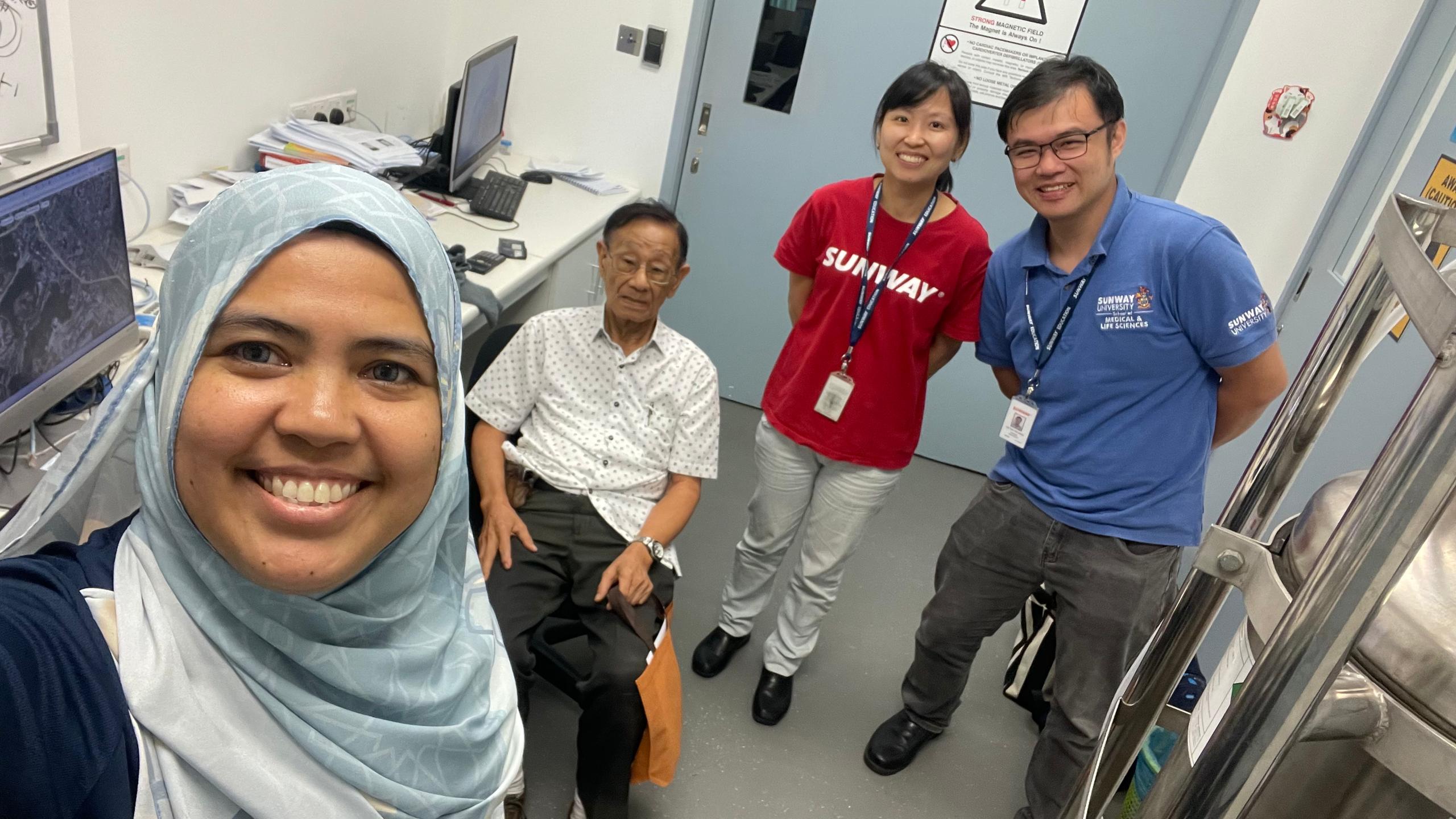
Research may have its lows, but human connection is what keeps me motivated. In life, there is always a fascinating chemistry between people for us to explore.
What motivates you when you feel “down,” and how do you come back stronger & more enthusiastic at work? What do you find most rewarding about your job?
Whenever I face a setback, it is always my drive to uncover new truths that keeps me motivated, especially in research.
Fundamental science requires immense effort to find the supporting evidence needed to explain the anomalies we observe in our experiments.
Quite often, a single piece of evidence isn’t enough to support a new hypothesis. We have to map out evidence from every possible angle to build a foolproof case.
During these challenging phases, the emotional support and knowledge exchange from my close colleagues and collaborators are essential.
Ultimately, when I solve a tough research problem, the reward is twofold: I gain the immense fulfilment of adding new knowledge to the world, and I build invaluable, lifelong relationships along the way.
What advice would you give young people interested in pursuing a career in STEM?
Pursuing a career in STEM provides opportunities and exposure far beyond what most people expect.
For example, I am a research chemist by training. The critical thinking skills I developed to drill down to foundational truths throughout my research career are exactly what enabled me to transition into areas I never could have predicted, such as becoming an AI trainer.
To stay truly “human” in the AI era means staying in control of our own thinking and leading the technology, rather than letting it lead us.
Furthermore, my journey as a researcher required me to pitch for grants, teach students, and organise international conferences. As a result, I naturally picked up vital soft skills along the way.
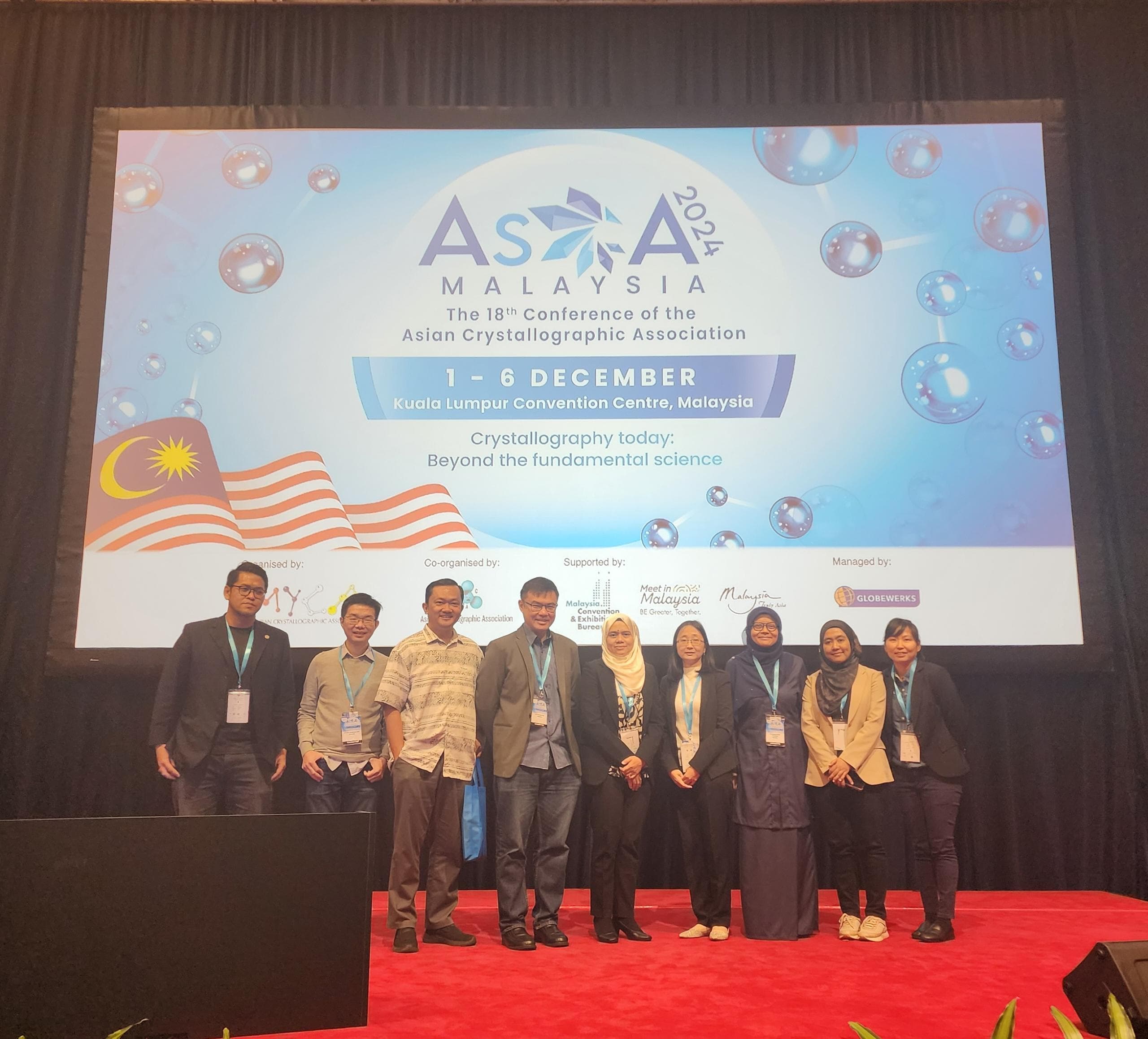
A career in STEM extends far beyond technical boundaries. It opens doors to vital soft skills such as communication, leadership, and event organisation.
My main advice to young people is to realise that STEM isn’t just about technical knowledge; it equips you with a versatile mindset and a powerful toolkit that can open doors to almost any industry.
What skills do you think they should develop?
Critical thinking, analytical thinking and communication skills are paramount. The first two enable young people to solve problems in a highly structured, innovative manner, whilst strong communication keeps them connected to others.
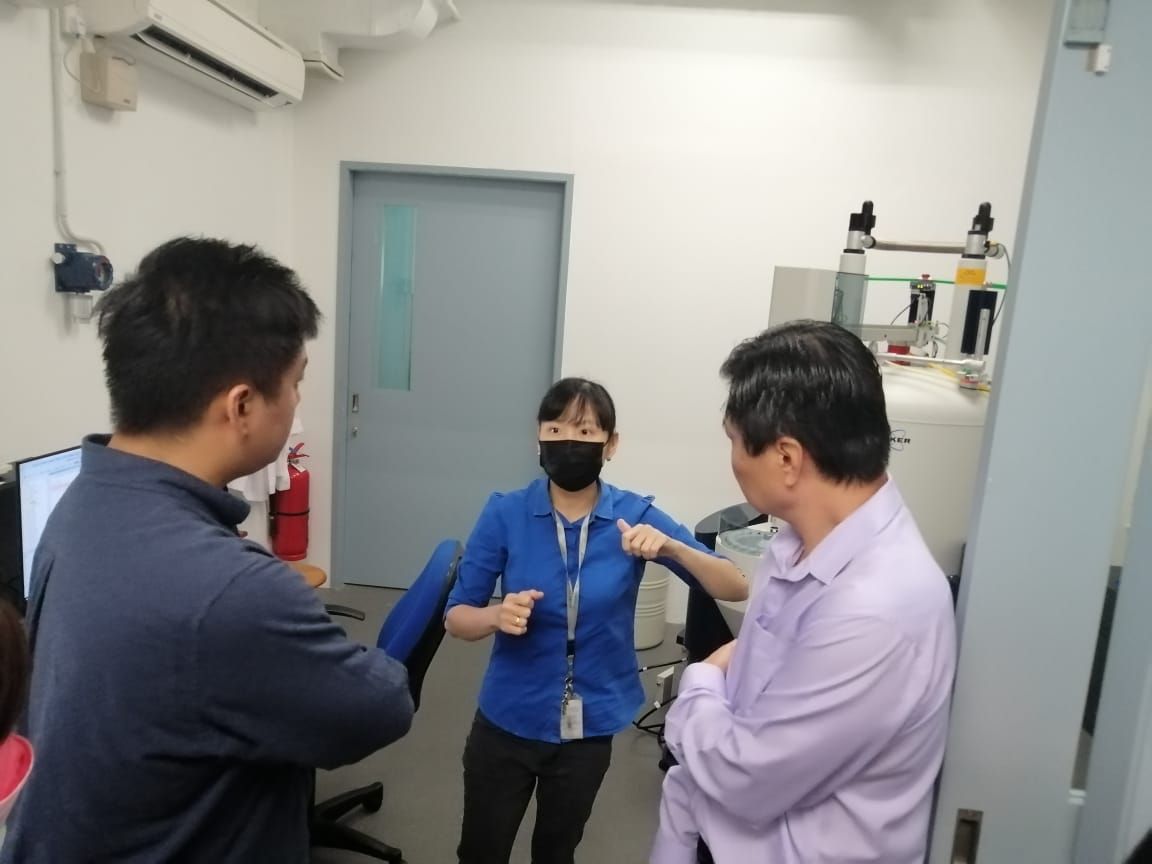
At the end of the day, we are human beings, and we thrive on genuine connection within a community.
What areas will be most exciting to explore in the coming years?
If you ask me which area will be the most exciting to explore in the coming years, here is my take: it is never actually about chasing the next big trend.
Instead, it is always about deciding where we, as human beings, want to leverage our skills and contribute to society, especially now that the rapid development of AI supports us.
Today, the traditional barriers to entry are lowering, opening up a whole new world of possibilities for us to explore. 🐝
Note: The cover image accompanying this article was AI-generated.
This article was developed as part of a collaborative effort between e-estidotmy, an initiative of ASM, and Kementerian Pendidikan (KPM).