From childhood curiosity to sporting inspiration, Dr Cheah Pike See was ignited by a love for living organisms and the marvels of the human body, and thus embarked on a journey into neuroscience.
What inspired your career in STEM? (This could be an event or significant moment or someone like a parent, teacher, or community)
Since childhood, I have been amazed by the intricacies of living organisms, from watching caterpillars to assembling mini dinosaur skeletons. My favourite toy was my Kids’ Doctor Kit, which sparked imaginative role-play and fuelled my passion for science and health.
As a Perak state netball player for a decade, I found that strenuous exercise boosted my overall physical health and honed my mental strength, deepening my appreciation for the human body. The sports science experience inspired my journey into STEM, where I seek to understand and contribute to the wonders of life through science and technology.
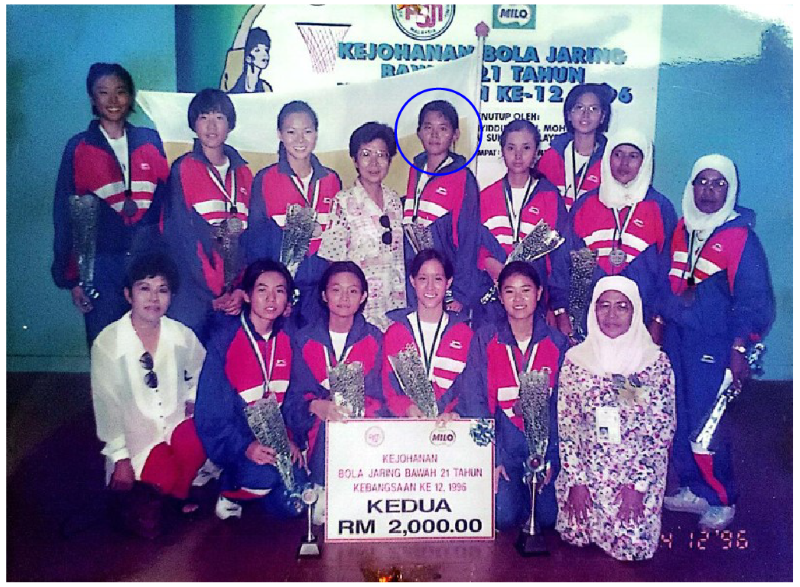
Sports strengthened my body, sharpened my mind, and inspired my journey into STEM.
What is your educational background, where do you work now, and what interests you the most about your work?
I earned my Bachelor’s in Biomedical Sciences with first-class honours from Universiti Putra Malaysia in 2002. I then pursued a PhD in Human Anatomy at Universiti Kebangsaan Malaysia, completing it in 2008.
Then, I continued with postdoctoral training in molecular neurogenetics at the University of Adelaide, Australia, focusing on genetic causes of developmental and neuropsychiatric disorders. From 2016 to 2020, I expanded my research into stroke, cancer biology, and gene therapy at Massachusetts General Hospital/Harvard Medical School in the USA.
In Malaysia, I lead the NeuroBiology and Genetics Group (NBGG), studying genetic factors in brain development and disease. Internationally, I advocate for brain health and gender equality in science through roles in organisations like the International Brain Research Organisation Asia-Pacific Regional Committee (IBRO-APRC) (Chair, 2020-2023) and the International Society of Neurochemistry (ISN) (Council member, 2023-2027).
As a neuroscientist, I’m driven by the opportunity to contribute to global brain health issues like Alzheimer’s disease and stroke, advancing understanding and treatment through innovative research and inclusive collaboration with local and international experts. I enjoy immersing myself in captivating science that makes time vanish, leading to the joy of scientific discovery.
What area of research do you do, and why is it important to society?
I dive into the cool world of neuroscience, exploring how our brains work and why it matters. Imagine unlocking the secrets to conditions like Alzheimer’s and enhancing memory!
Understanding how our brains function can help society tackle age-related memory loss and intellectual and cognitive disabilities. My favourite phrase is “Love your magnificent plastic brain”. The brain has a remarkable capacity to rewire, a natural ability called “neuroplasticity”. “Use It or Lose It!” is one of my research projects aimed at increasing public awareness of how to keep our brains fit as we age.
I regularly deliver public lectures on brain health to the Malaysian community. I am actively engaged in activities with NGOs such as Alzheimer’s Disease Foundation Malaysia, Love Eternal Charity Association (LECA) Malaysia, and Kelab Penyayang UPM.
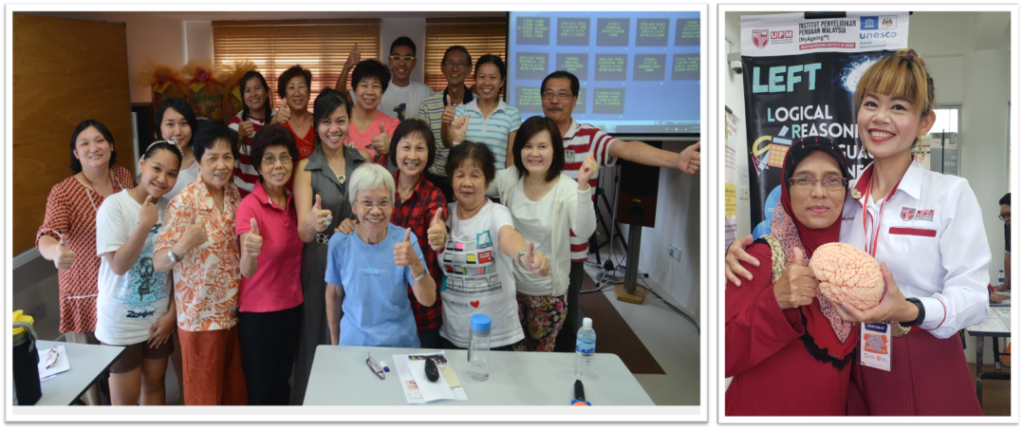
This picture was taken during one of my Brain Awareness Public Talks.
As a member of the Young Scientist Network-Academy of Sciences Malaysia (YSN-ASM), I engaged in Science Outreach Programs at schools to promote STEM education, with a focus on health sciences issues. I believe educating the hearts and minds of youth will bring lasting improvements to the Malaysian community and the regional countries in the future.
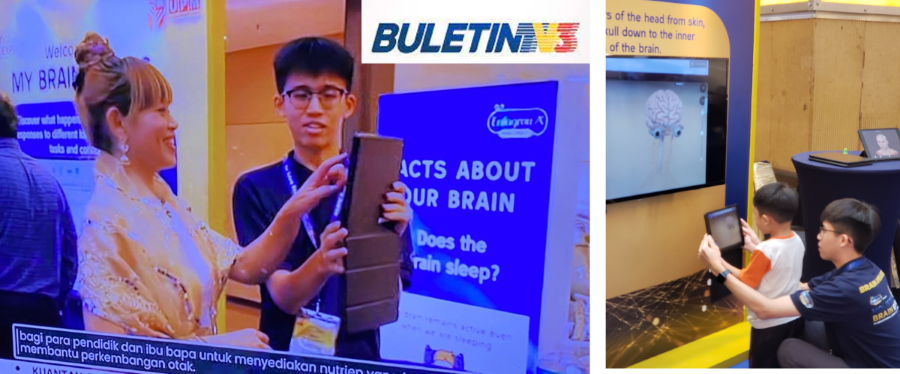
At the Holistic Brain Expo.
In the global arena, I help disseminate research and raise brain awareness through publications, engagement activities, and public communications within the Asia Pacific region, such as Brain Awareness Week Campaigns. I also actively advocate for career programs to counter regional inequalities (gender imbalance), promote diversity (under-represented countries such as Vietnam and Myanmar), and foster inclusiveness (minorities and people with disabilities).
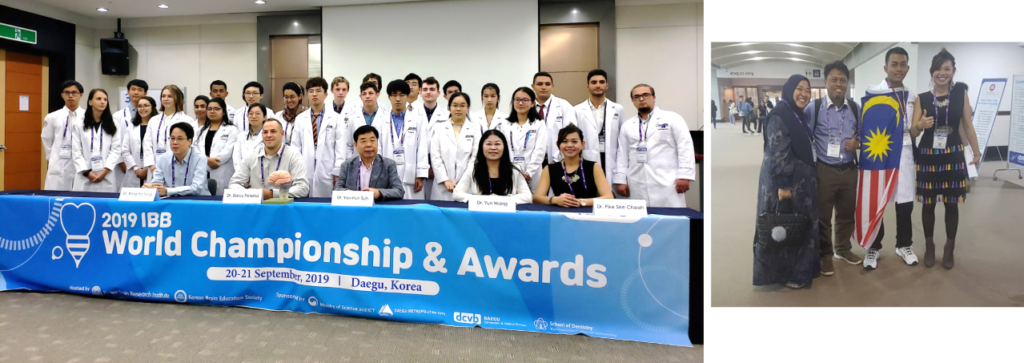
As one of the chief judges at the 2019 International Brain Bee (IBB) World Championship.
What are some of the biggest challenges you have faced in your research, and how did you address them?
Upon returning to Malaysia after my postdoctoral training in Australia, I encountered significant challenges in advancing neuroscience research. Limited funding and a scarcity of fundamental neuroscientists hindered progress. Collaboration and knowledge-sharing were limited.
Several principal investigators formed a multidisciplinary group of neuroscientists to address this and initiated activities like neuroscience seminars, the Brain Awareness Campaign, and student exchanges. We also advocated for inclusivity within the Malaysian Society of Neurosciences (MSN), which led to the establishment of the Basic Neuroscience Chapter (BNC) in 2013. With tremendous support from MSN, BNC members have expanded significantly. I am delighted to witness and be involved in impactful collaboration between clinicians and fundamental neuroscientists on translational research. A true spirit of “from Bench-to-Bedside-to-Bench”.
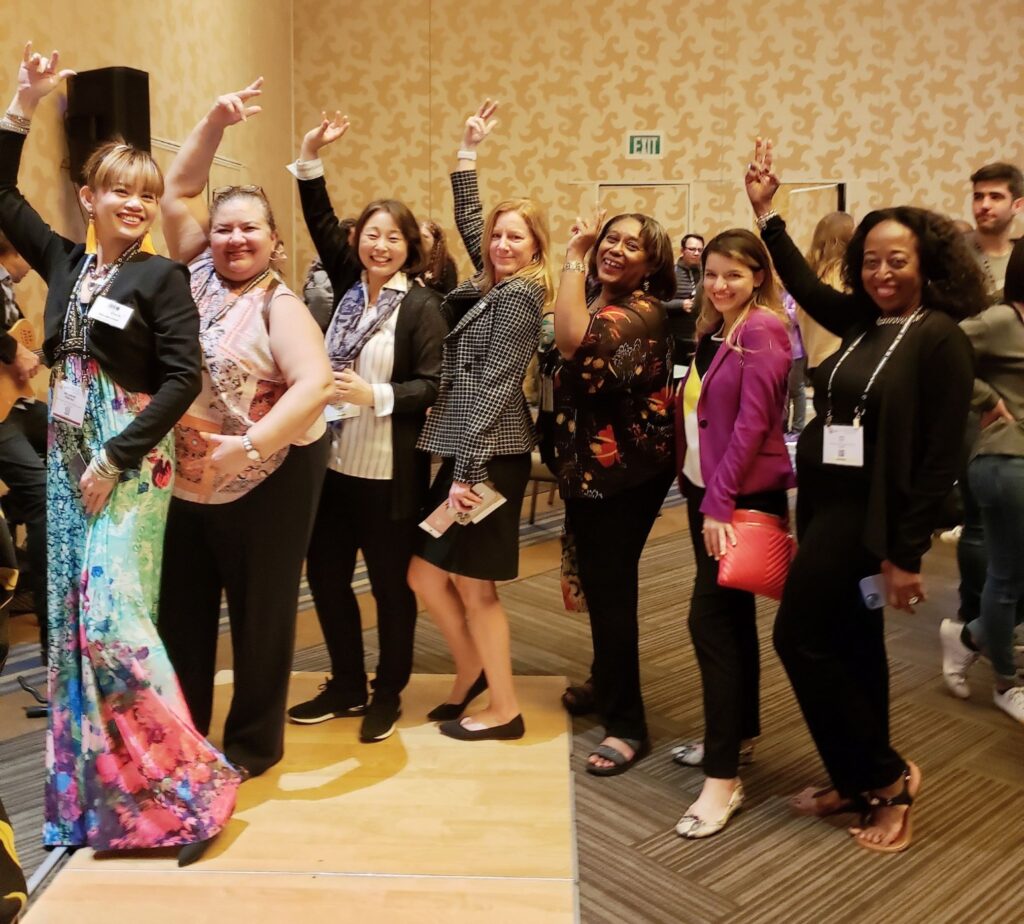
Having fun with fellow women scientists at the IBRO Congress.
Many think scientists only work in labs, but that’s not always true. What do you think of this perception? Where have you done the research for your work, or where have you worked in the past?
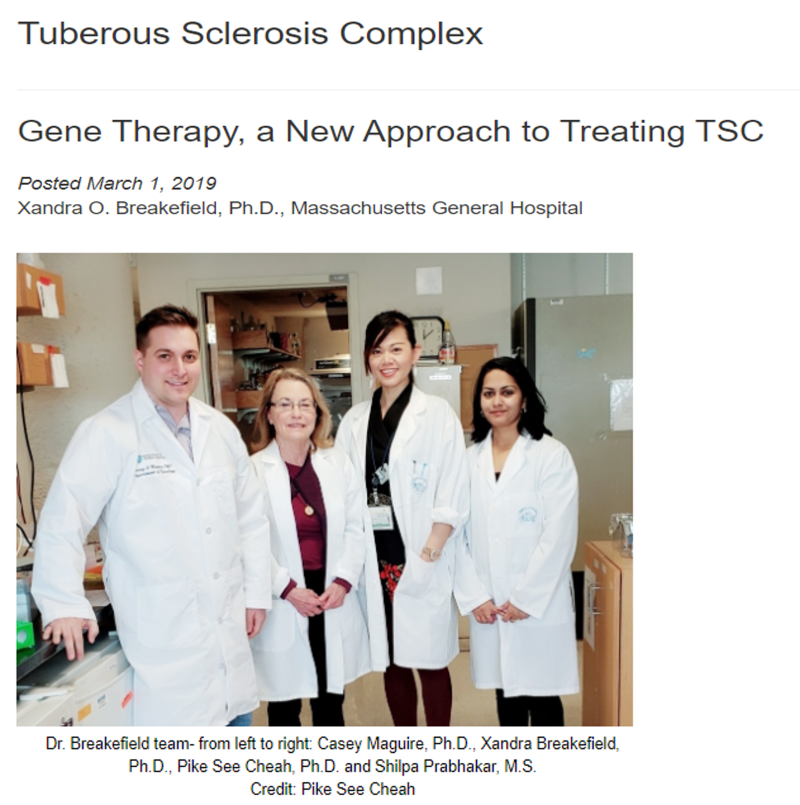 Don’t believe the stereotype that scientists are confined to labs! The perception that scientists only work in labs overlooks our diverse roles, including fieldwork for sample collection, lab-based data analysis, and collaboration with global institutions. Every moment is exhilarating. Whether our hypotheses succeed or fail, each discovery propels us toward a brighter future with improved treatments for brain disease.
My journey in neuroscience spans Malaysia (PhD in Anatomy), Australia (postdoctoral fellowship), and the USA (sabbatical). My research training at the University of Adelaide and Massachusetts General Hospital/Harvard Medical School expanded my expertise in developmental neurogenetics, stroke, cancer biology and gene therapy.
Can you share any interesting or funny stories while pursuing your research?
During an overnight research study, a few primates were anaesthetised on surgical beds rather than in cages for data collection. I slept in the same room to monitor anaesthesia. Unfortunately, I fell into a deep sleep and missed the alarm. Waking groggily, I found a primate sitting up, eyeing me drowsily. My heart raced, imagining a fully awake primate in the room. Lesson learned: Set multiple alarms, especially with curious companions!
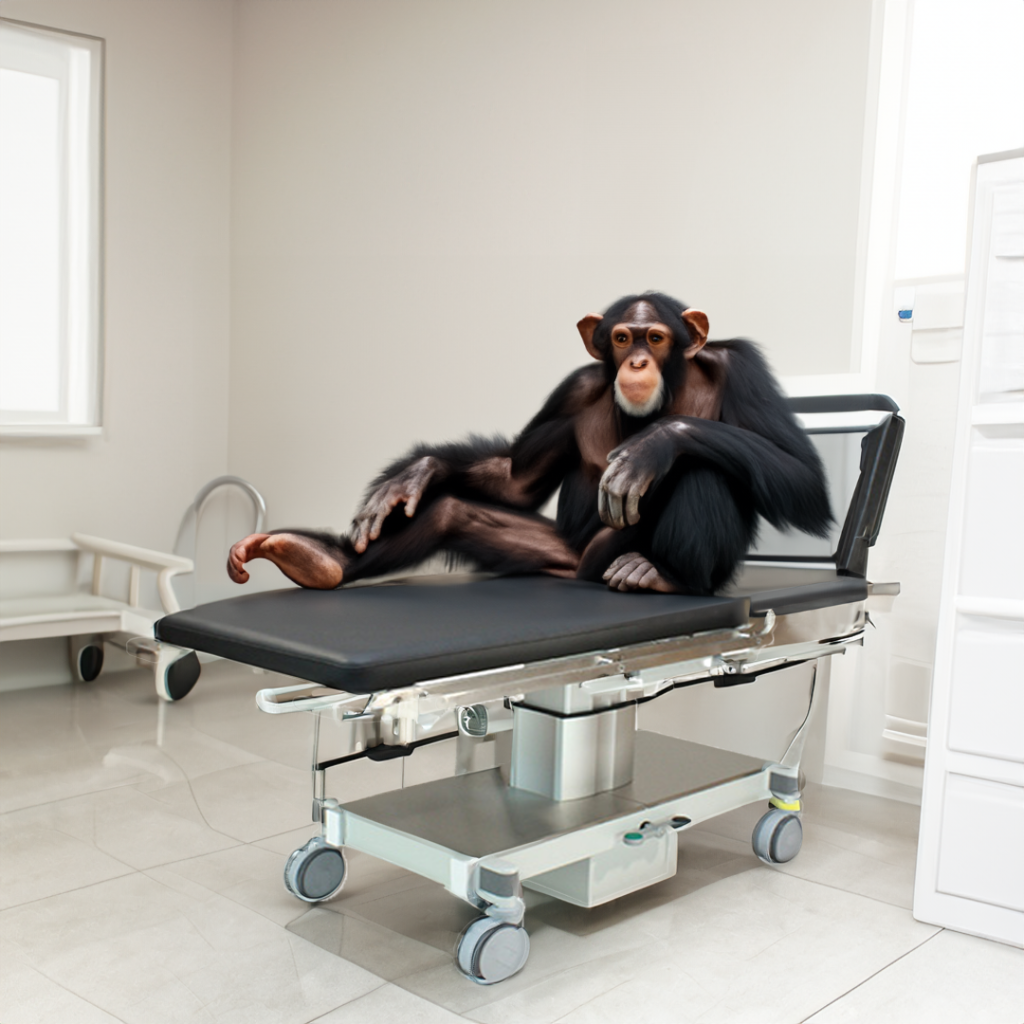
Imagine waking up to see this intelligent creature staring at you!
What motivates you when you feel “down,” and how do you come back stronger & more enthusiastic at work? What do you find most rewarding about your job?
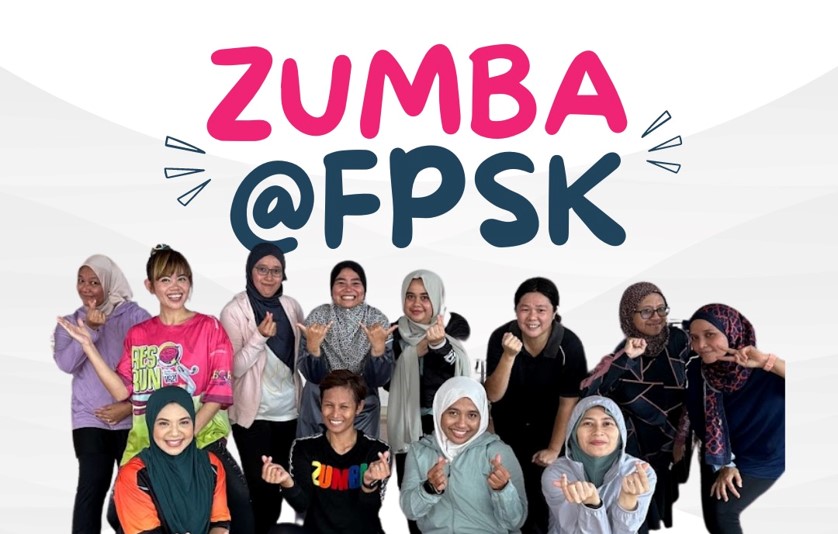 Endorphins are my motivator during low moments. Engaging in physical activities such as Salsation, kickboxing, or Zumba triggers their release in the brain, leaving me feeling euphoric, pain-free, and motivated. My supportive husband, Dr Michael Ling King Hwa (a professor of neuroscience and genetics), plays a crucial role by providing a listening ear and space for “me-time.”
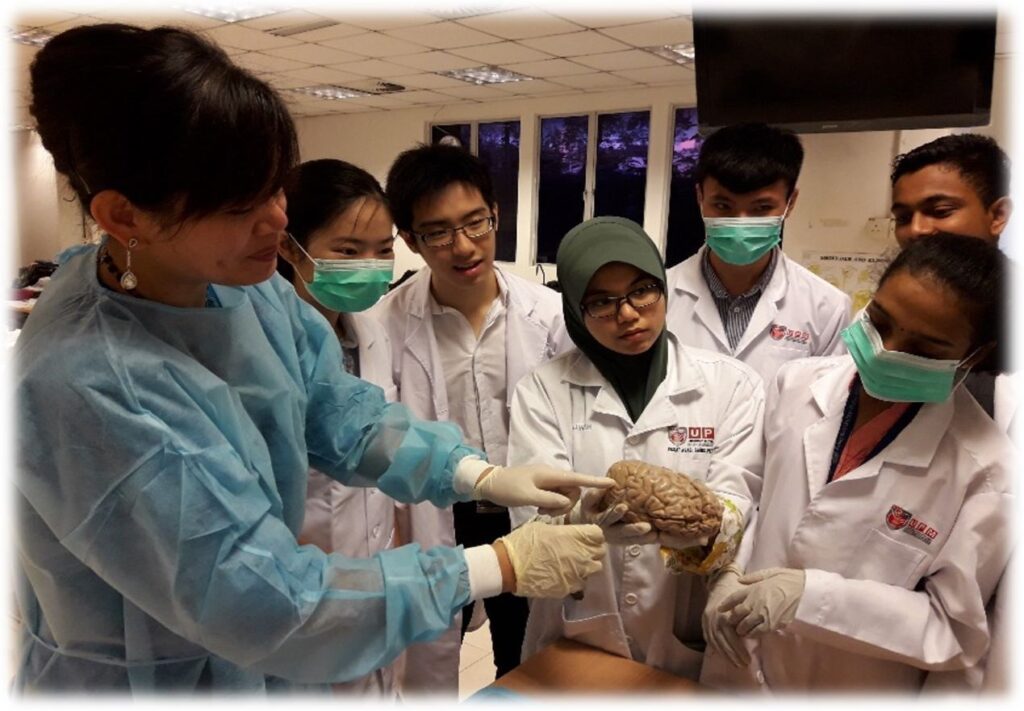 Additionally, the rewarding aspect of my job lies in knowing that my teaching positively influences my students’ careers; this knowledge fills me with immense satisfaction. My philosophy, “To teach is to touch a life forever,” resonates deeply, driving me to strive for excellence in my work continually.
What advice would you give young people interested in pursuing a career in STEM?
Young people are part of Generation Alpha, characterised by their digital fluency, global connectedness, diversity, and environmental awareness.
To encourage Generation Alpha’s interest in STEM, I would emphasise its global impact, collaborative nature, and alignment with its tech-savvy and environmentally conscious values. My words to young people: “Embrace curiosity, cultivate resilience, seek mentors, and engage in hands-on learning”. STEM opens doors to endless possibilities and shapes the future of humanity!
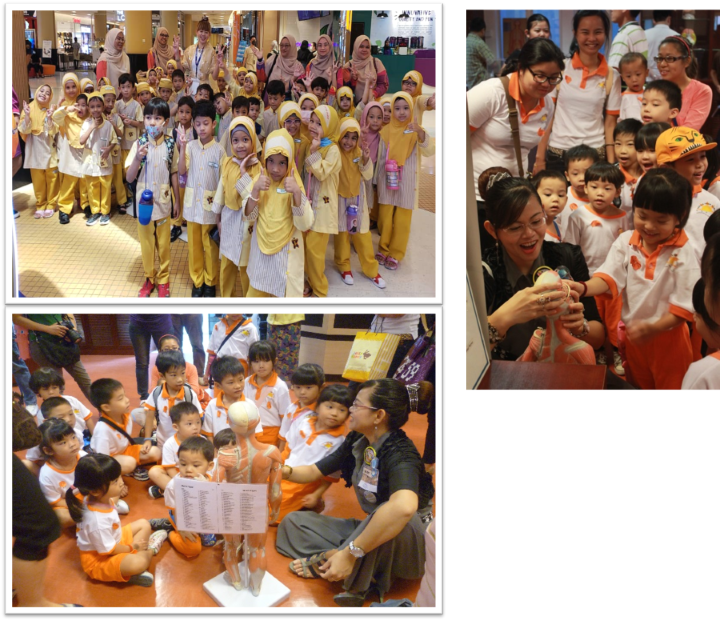
Embrace curiosity, cultivate resilience, seek mentors, and engage in hands-on learning.
What skills do you think they should develop?
Generation Alpha’s adaptability to modern technologies is remarkable, shaped by their immersion in a fully digital world. Yet they confront challenges such as tech-induced fatigue and shorter attention spans. To sustain their interest in STEM amid rapid technological evolution, resilience empowers Generation Alpha to persevere through challenges and succeed in STEM fields.
What areas will be most exciting to explore in the coming years?
Precision medicine, especially CRISPR-Cas9 gene editing, holds immense promise for correcting genetic mutations and revolutionising disease treatment. With precise targeting and efficiency, it offers the potential to permanently target deleterious mutations, marking a ground-breaking advancement in healthcare. 🐝