From restoring blood flow to saving lives, Dr Karthigesu Aimanan has dedicated his career to vascular surgery and improving patient outcomes. In this interview, he shares his journey from aspiring surgeon to vascular specialist, his passion for research, and his vision for the future of healthcare through innovation, teamwork, and technology.
What inspired your career in STEM?
I have always wanted to become a surgeon since I was young. Initially, I was drawn to the profession’s prestige.
Still, as I grew older, I became fascinated by human anatomy, the thrill of surgery, and, most importantly, the joy of seeing patients recover. These experiences inspired me to pursue a career in surgery.
My mentor, Dr Chew Loon Guan, greatly influenced my journey into vascular surgery. Earlier in my career, I was interested in becoming a cardiac surgeon under the guidance of mentors such as Datuk Hamdan, Dato’ Hamzah, Dato’ Arif, Mr Muiz, Mr Balaji, and Mr Anand.
However, at that time, there was no direct pathway into cardiac surgery training in Malaysia, so I first trained as a general surgeon before pursuing subspecialty training.
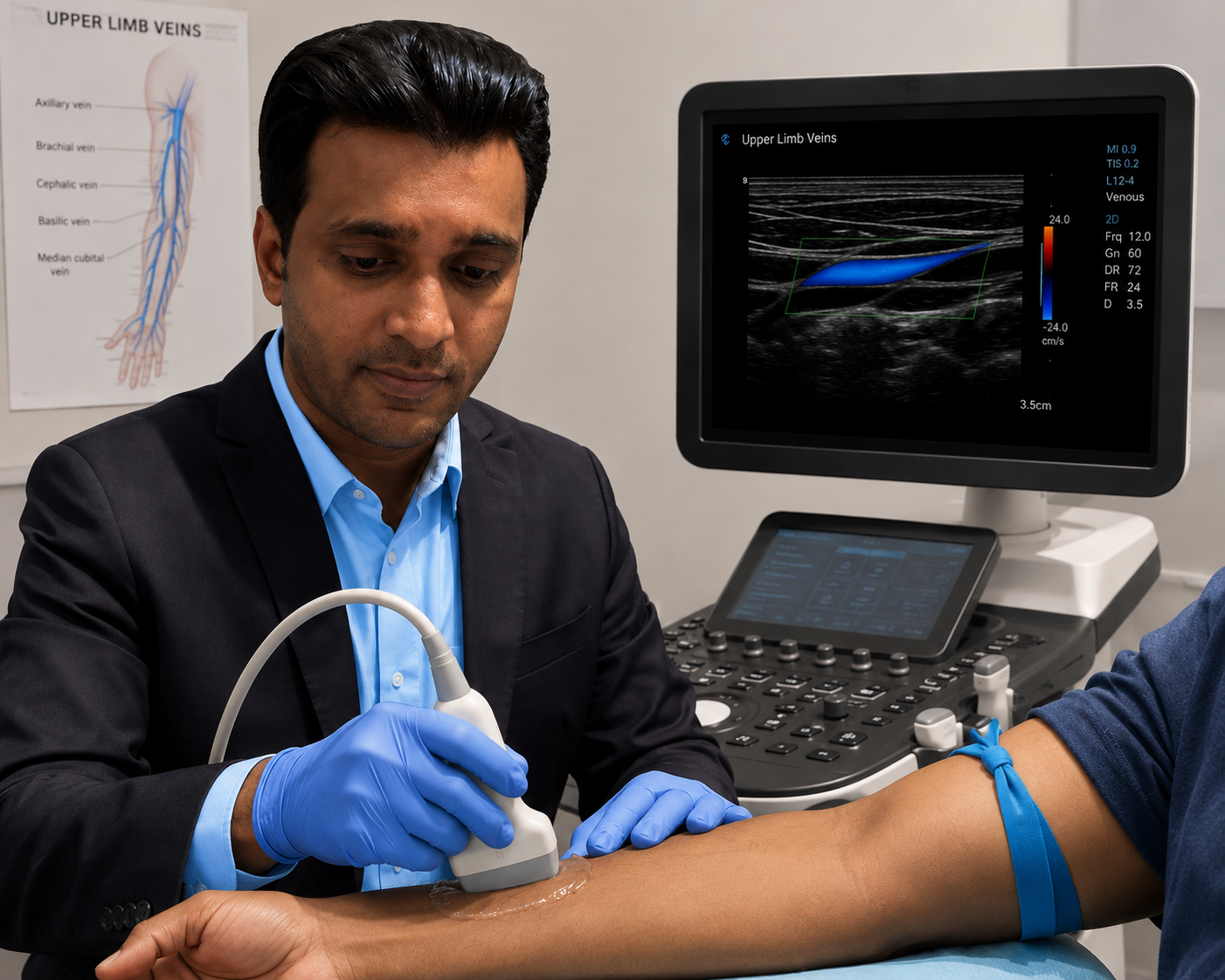
During my general surgery training, Dr Chew introduced me to vascular surgery, and that was when I discovered my true passion.
What is your educational background? Where do you work now, and what interests you the most about your work?
I completed my primary education at a Tamil school in Senawang, followed by secondary education at Rantau and King George V School (KGV).
I pursued my undergraduate medical studies at Universiti Malaysia Sabah (UMS), where I laid the foundation for my medical career.
I completed my housemanship at Hospital Kuala Pilah, followed by service in Jempol, before joining the cardiac surgery team at Hospital Serdang. That was where my journey into vascular surgery truly began.
Currently, I work as a vascular surgeon at Hospital Kuala Lumpur.
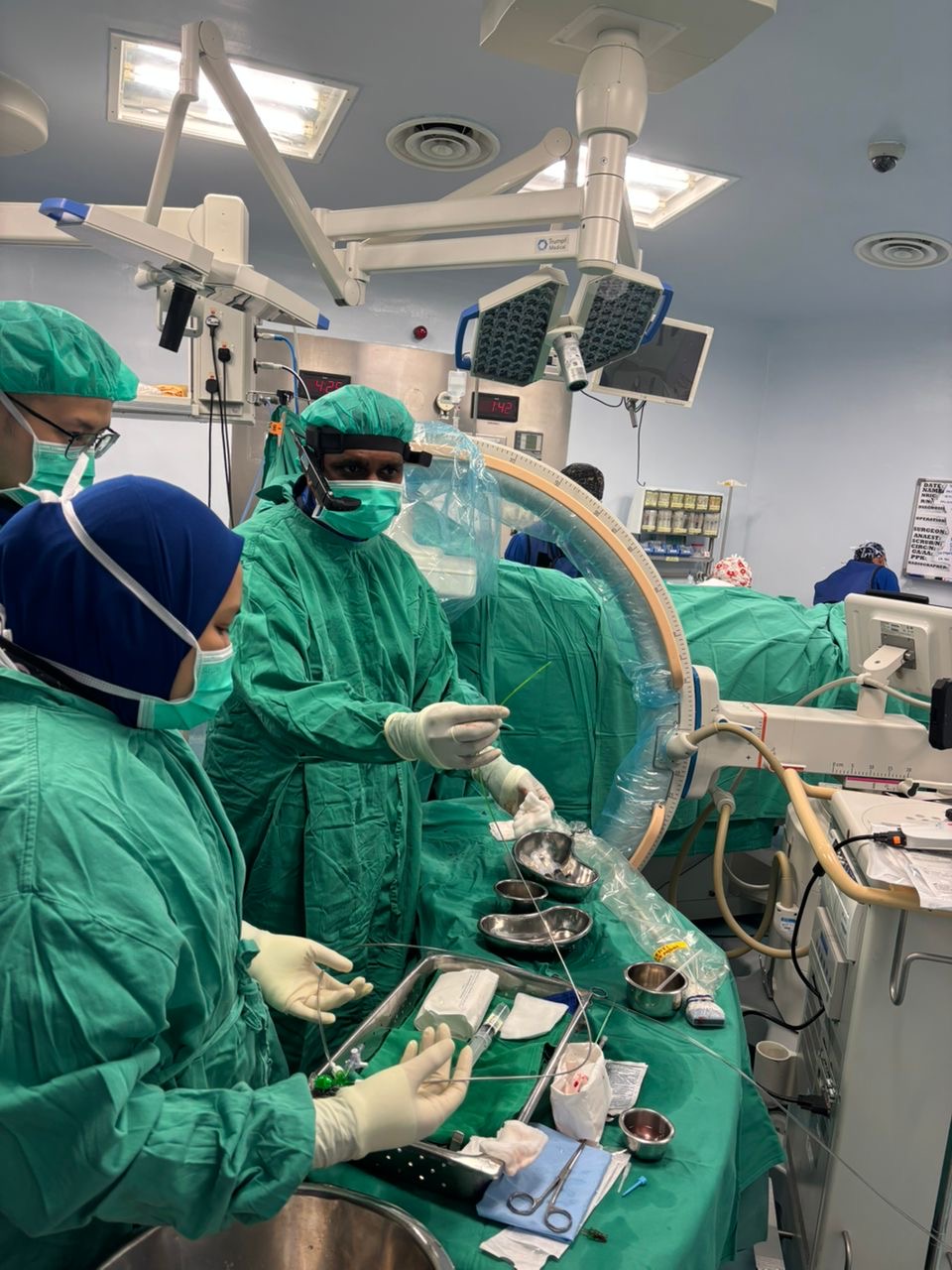
What interests me most about my work is the ability to save lives and improve the quality of life by restoring blood flow. I often compare my work to a gardener watering plants daily to keep flowers healthy and alive. Similarly, when we restore proper blood circulation in patients, we help them live healthier and happier lives.
What area of research do you do, and why is it important to society?
My research mainly focuses on vascular diseases, especially aortic aneurysms and vascular access salvage. Aortic aneurysms are dangerous because they can remain silent until they rupture, which can lead to sudden death.
Another area of interest is vascular access salvage for dialysis patients. For patients with end-stage kidney disease, maintaining a functioning dialysis access is extremely important because it is their lifeline.
Helping these patients continue dialysis without interruption directly impacts their survival and quality of life.
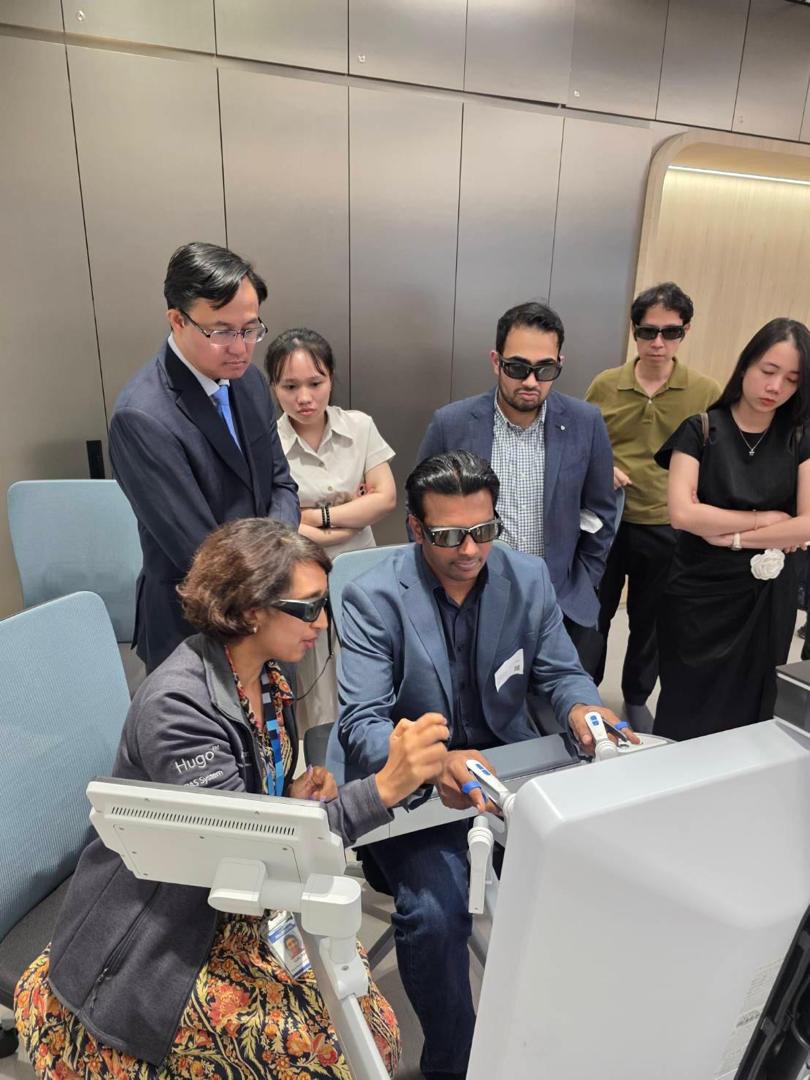
Currently, I am involved in efforts to establish a national screening programme in Malaysia that aims to detect aneurysms early and reduce mortality.
What are some of the biggest challenges you have faced in your research, and how did you address them?
One of the biggest strengths in my research journey has been the teamwork and support from colleagues within my hospital, as well as the vascular surgery fraternity across Malaysia and the region.
Having passionate and like-minded people around me has helped me grow both clinically and academically.
The main challenge I still face is the lack of awareness among the public and even among healthcare practitioners regarding the importance of early detection of vascular diseases.
Early detection often leads to better treatment outcomes, so increasing awareness remains an important goal in my work.
Many think scientists only work in labs, but that’s not always true. What do you think of this perception? Where have you done the research for your work, or where have you worked in the past?
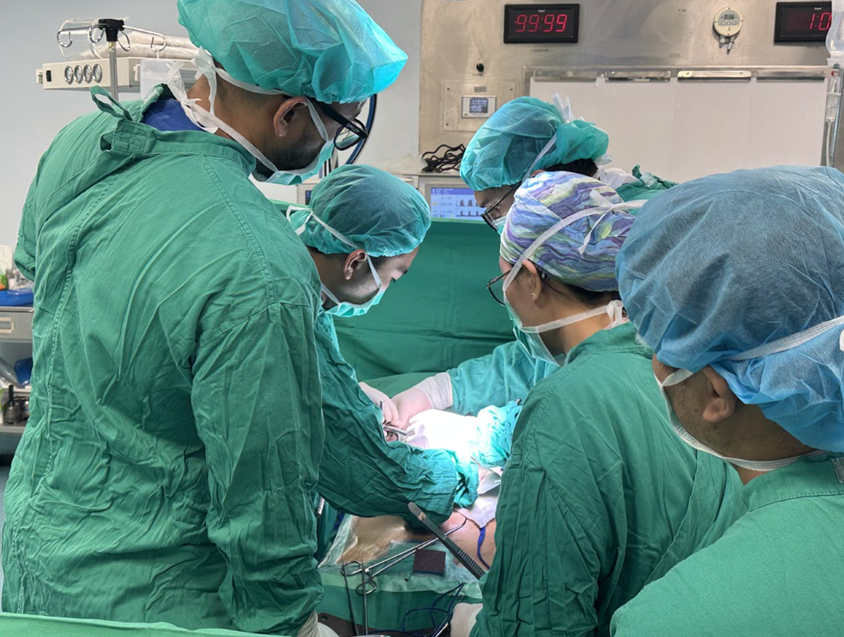
As a vascular surgeon, I am a clinician who performs surgery several times a week. Research is not limited to laboratories alone.
In medicine, research happens in clinics, operating theatres, wards, and even during patient follow-up. I incorporate research into my daily clinical practice by developing systems to collect and analyse patient data to answer important clinical questions.
I also encourage my colleagues and trainees to become involved in research and collaborative projects.
Can you share any interesting or funny stories while pursuing your research?
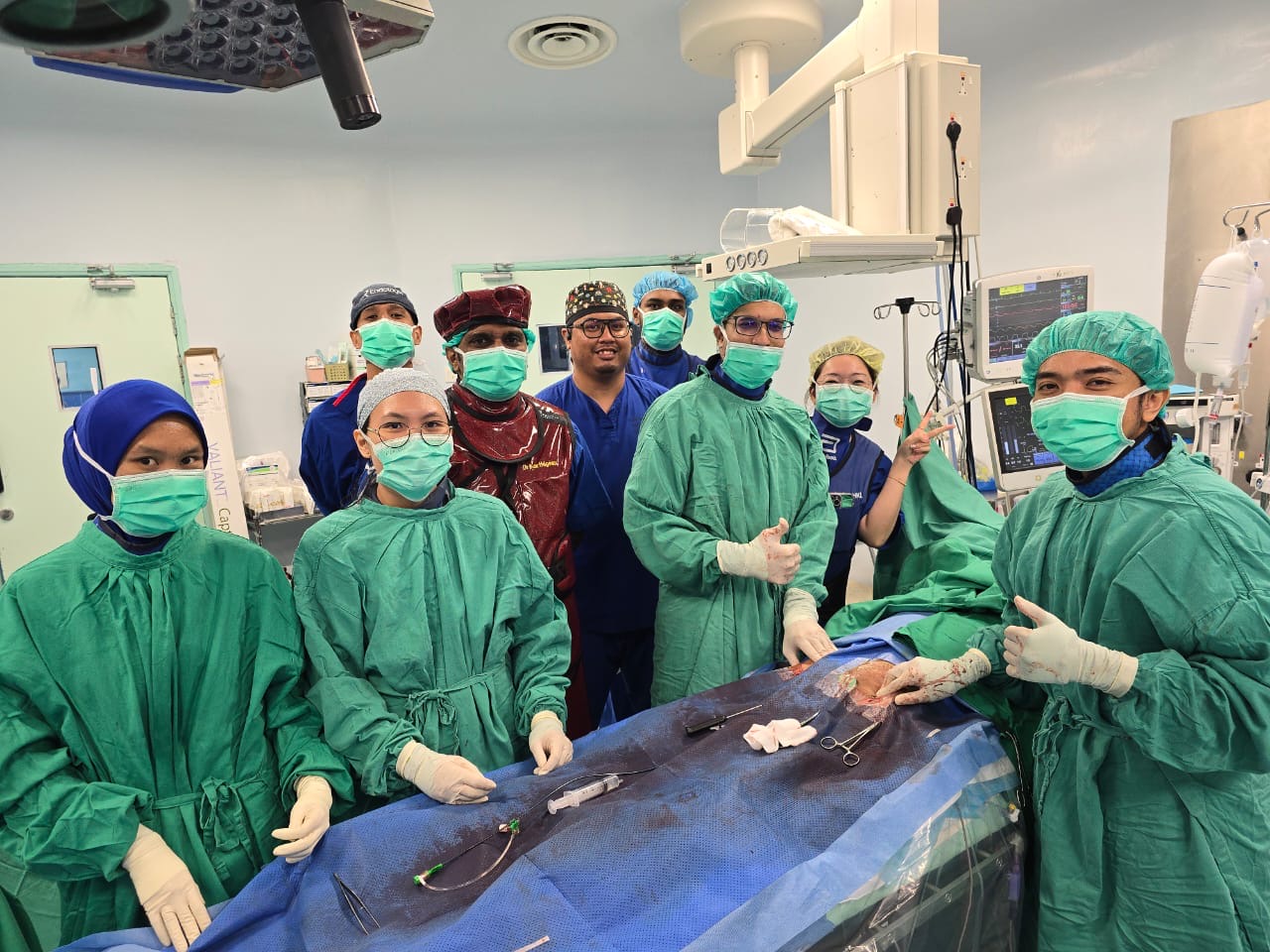
I am generally a serious person, but of course, there have been many memorable and funny moments throughout my journey.
Research and surgery can be stressful, so humour among colleagues often helps us stay motivated and connected.
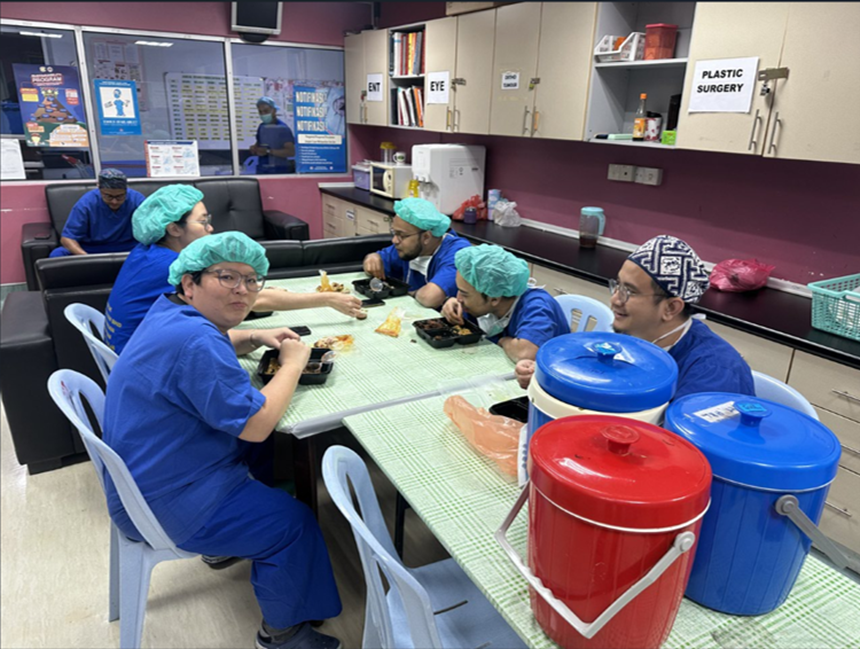
Some stories are probably best kept within the team!
What motivates you when you feel “down,” and how do you come back stronger & more enthusiastic at work? What do you find most rewarding about your job?
As both a clinician and a researcher, I find that difficult moments usually arise when we are unable to save a patient or when our efforts go unrecognised.
However, those moments are often balanced by the gratitude from patients and their families.
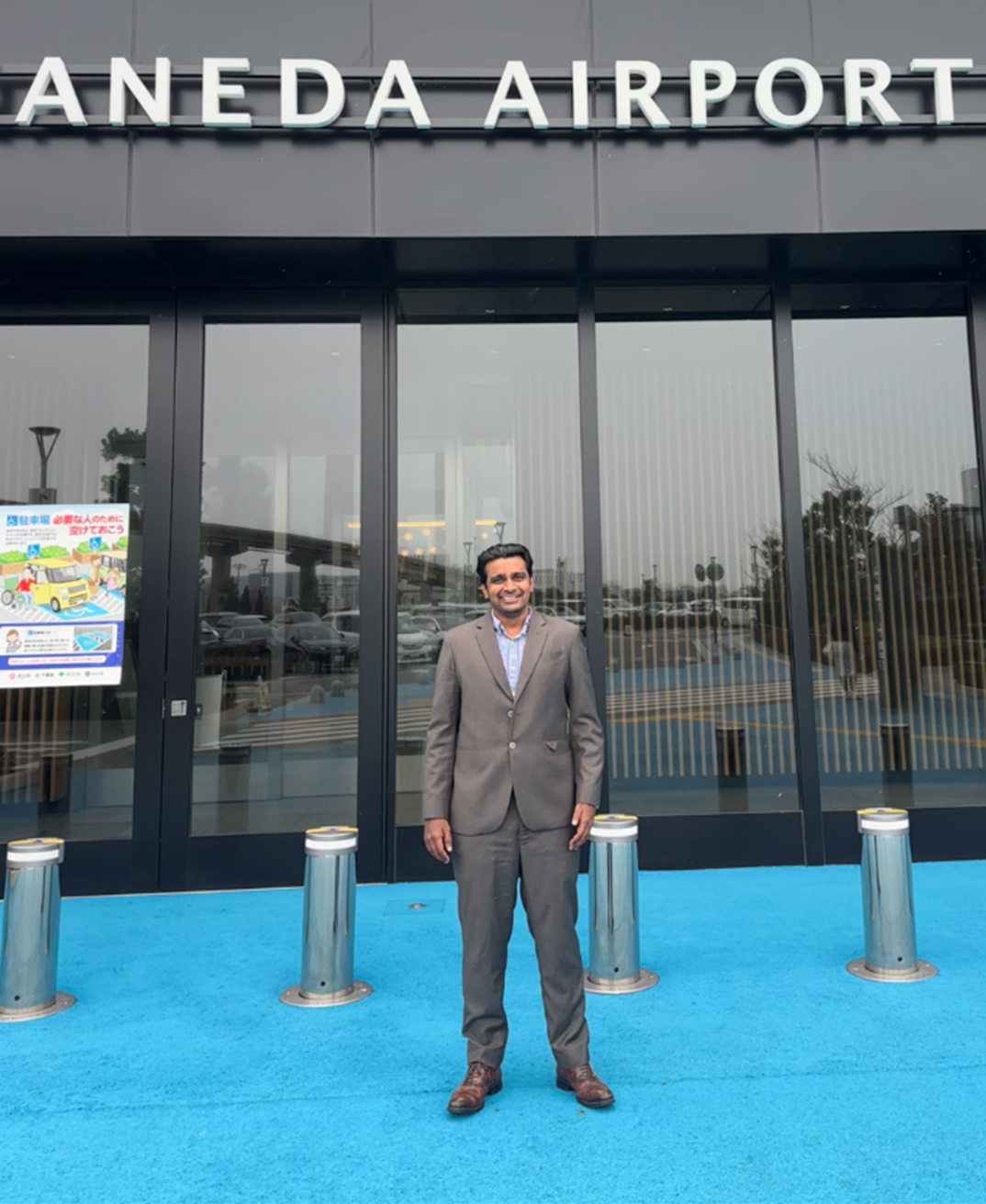
One statement from a patient that has always stayed with me was: “Doctor, you gave me a chance to live again. I will make it meaningful and useful.” Words like these remind me why I chose this profession and continue to motivate me during challenging times.
What advice would you give young people interested in pursuing a career in STEM?
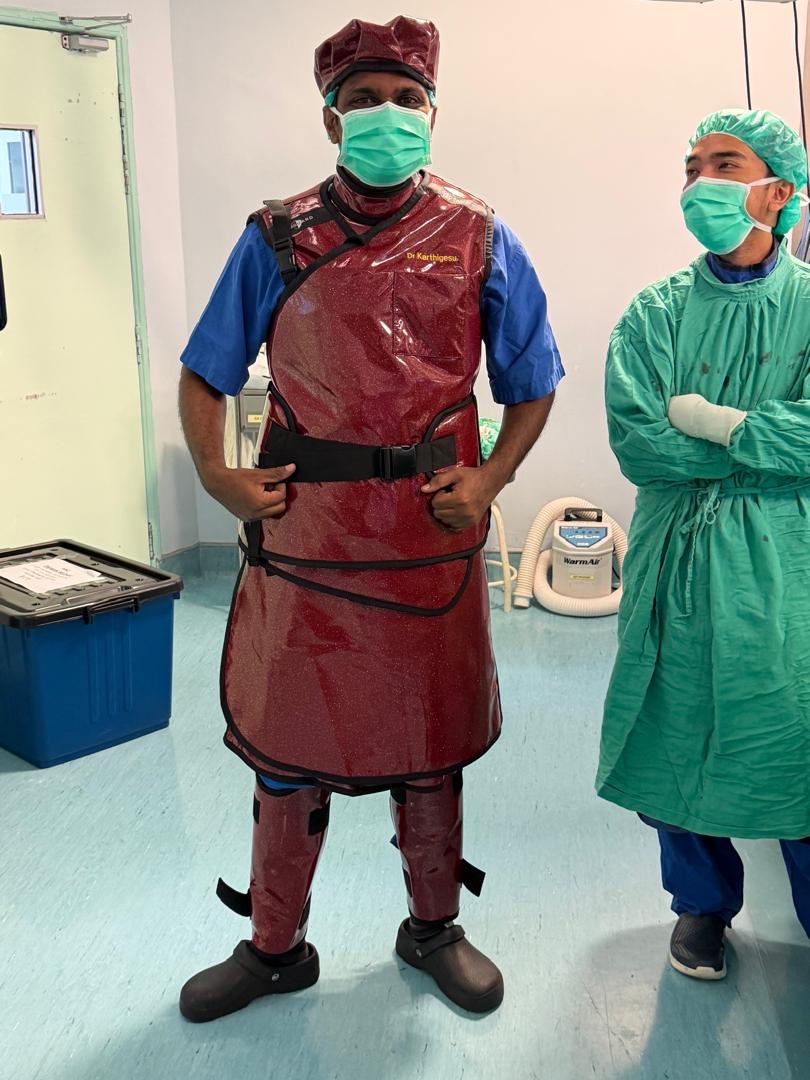
Be honest and committed to the career path you choose. There are no shortcuts to success. Hard work, discipline, attentiveness, and perseverance are essential qualities.
The journey can be tiring and challenging, but if you remain consistent and passionate, your efforts will eventually become rewarding and meaningful.
What skills do you think they should develop?
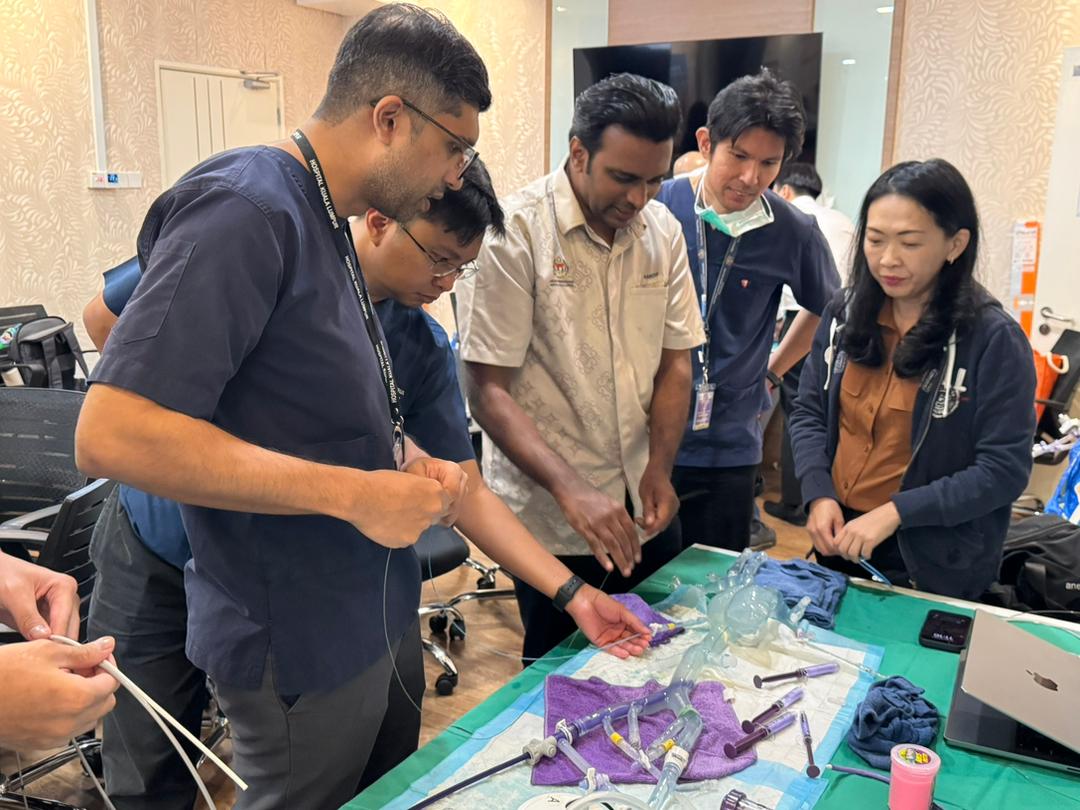
Technical skills can be developed over time, but one of the most important skills is communication.
Good communication allows you to learn from others, discuss ideas openly, and work effectively as a team. Learning from others’ experiences and mistakes can greatly accelerate your own growth and knowledge.
What areas will be most exciting to explore in the coming years?
In vascular surgery, I believe artificial intelligence (AI) and robotic technology will become increasingly important in the coming years. Many countries are already advancing rapidly in these fields, and Malaysia is gradually moving in that direction as well.
I believe artificial intelligence (AI) and robotic technology will transform the future of surgery, research and patient care, making this an exciting area to explore for the next generation. 🐝
Note: The cover image accompanying this article was AI-generated.
This article was developed as part of a collaborative effort between e-estidotmy, an initiative of ASM, and Kementerian Pendidikan (KPM).