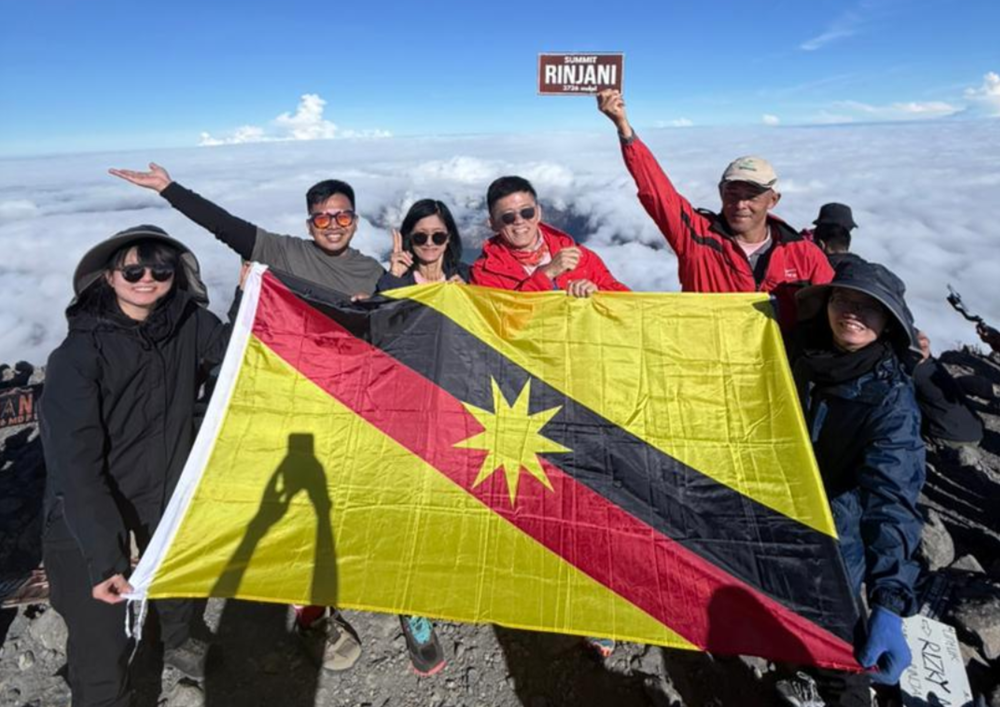
Rinjani, rising dramatically above the island of Lombok in West Nusa Tenggara, is one of Indonesia’s most iconic and revered natural landmarks.
Standing at 3,726 metres (12,224 feet), it is the second-highest volcano in Sumatra after Mount Kerinci and a magnet for adventurers, spiritual pilgrims, and scientists alike.
Beyond its sheer height and grandeur, Rinjani represents a unique intersection of geology, ecology, culture, and spirituality.
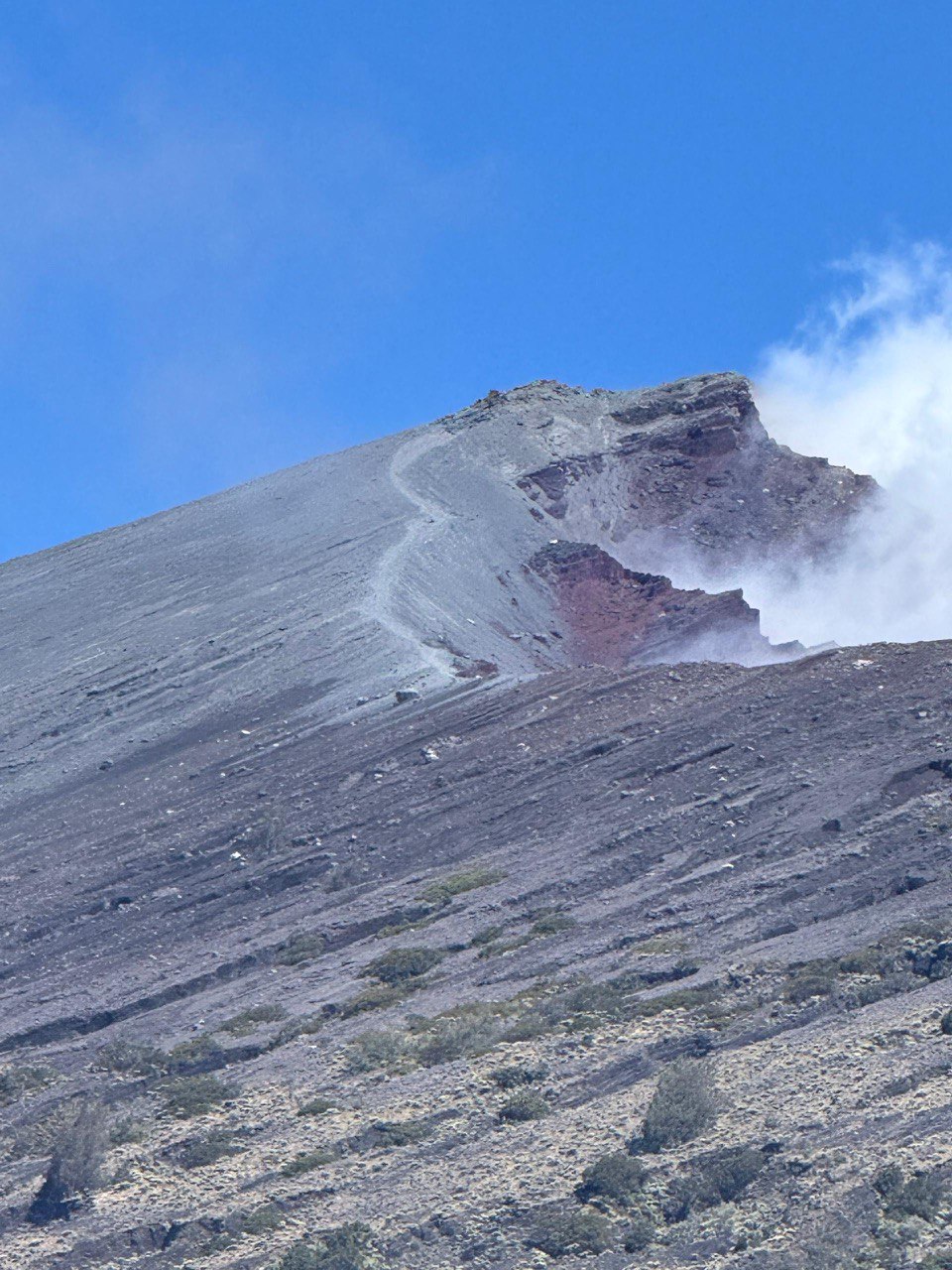
The “Letter E” path to the summit of Mount Rinjani.
Geological Significance
Samalas, also known locally as Rinjani Tua (Old Rinjani), is an ancient volcano that erupted in 1257, forming the current younger volcanic complex of Mount Rinjani.
It is part of the Sunda Arc, a chain of volcanoes created by the subduction of the Indo-Australian Plate beneath the Eurasian Plate.
Its most distinctive feature is the vast caldera, measuring approximately six by eight kilometres, which holds Segara Anak Lake – a crescent-shaped crater lake whose name means “Child of the Sea”.
At an elevation of about 2,000 meters, Segara Anak provides a stunning contrast of deep blue water against barren volcanic slopes.
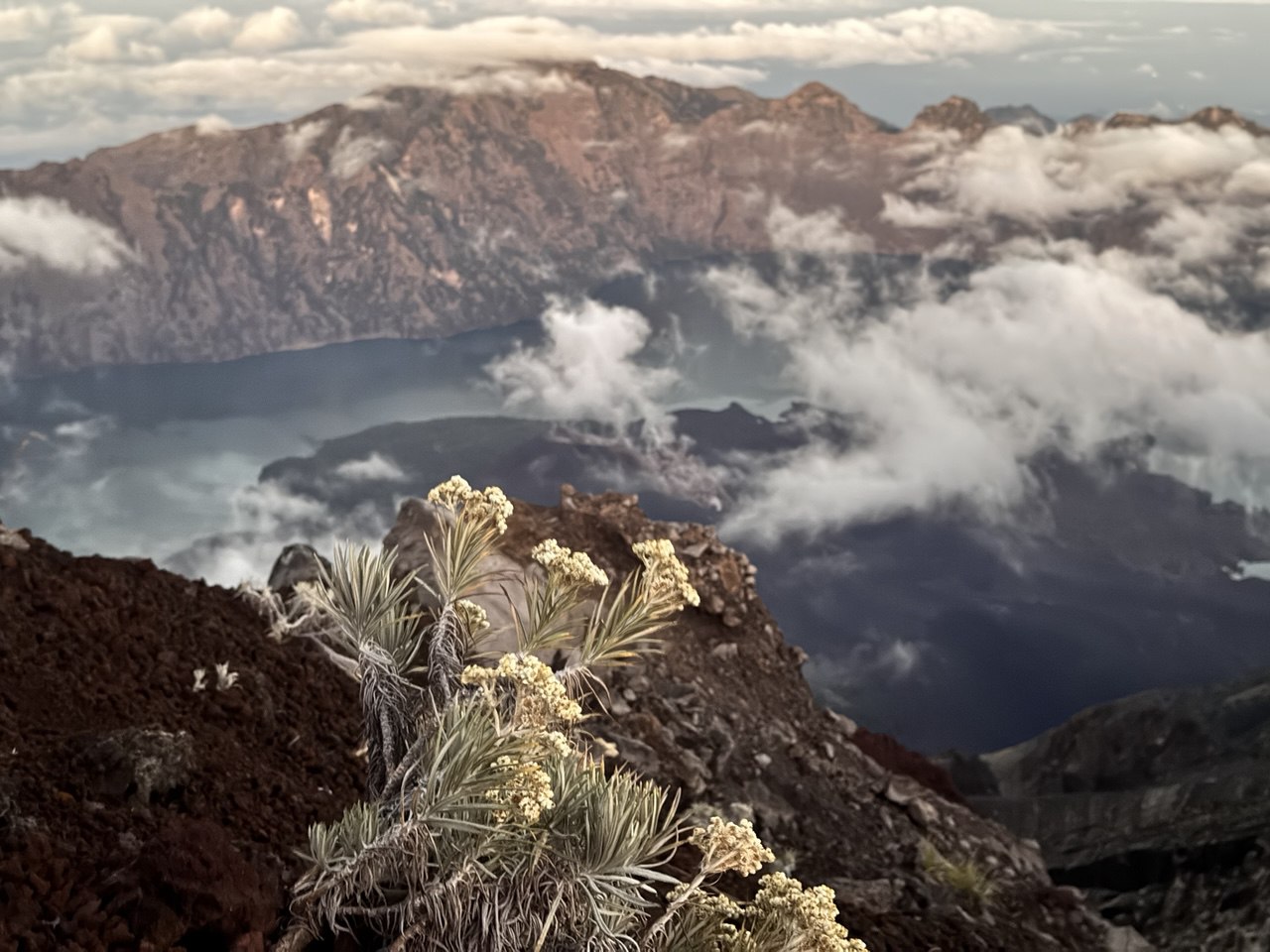
The Segara Anak Lake.
Within the lake, a small yet active volcanic cone, Gunung Barujari, continues to emerge and erupt periodically, reminding visitors of Rinjani’s ongoing geological dynamism.
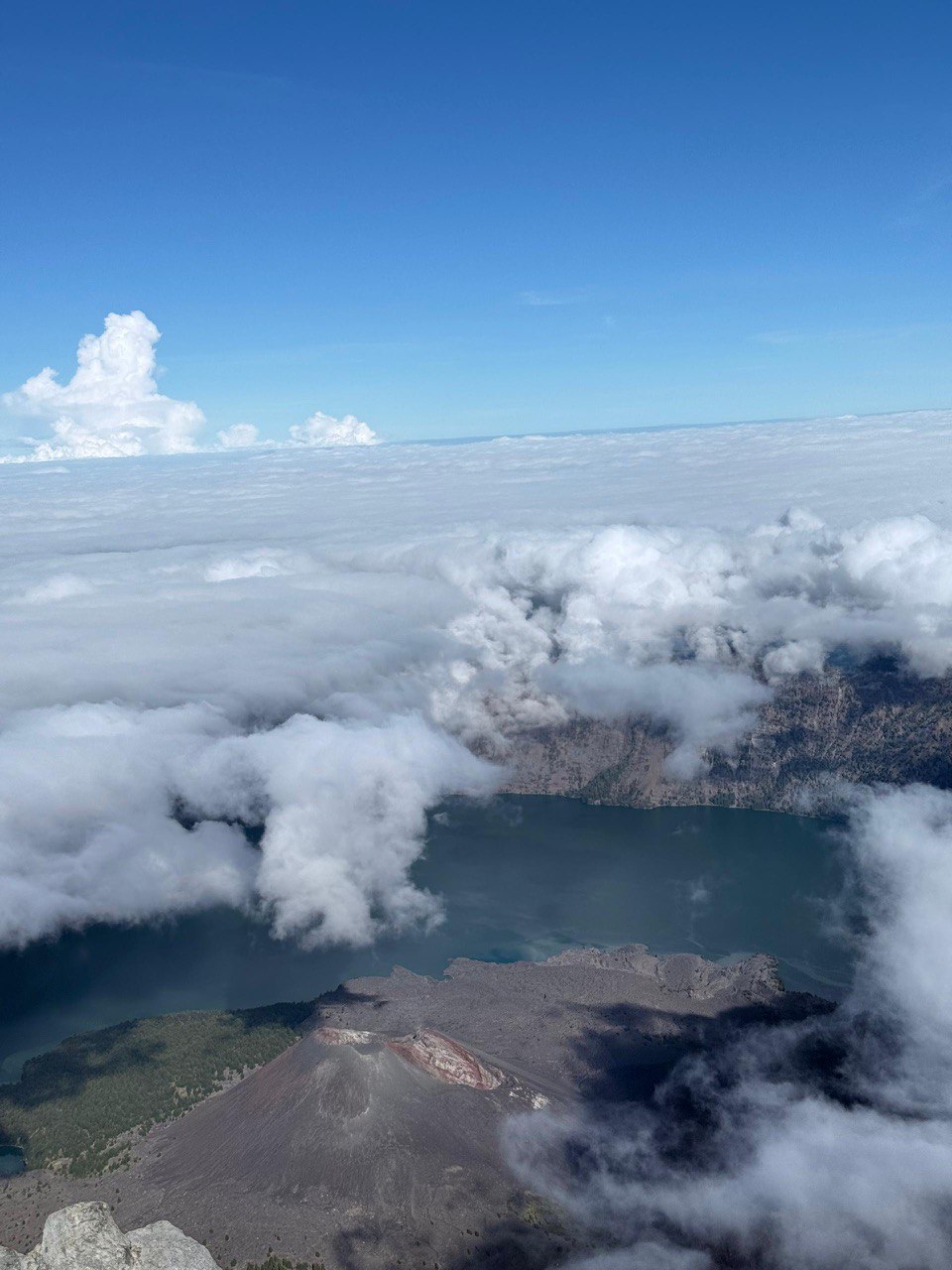
Mount Barujari, an active volcano believed to be the daughter of Mount Rinjani.
Biodiversity and Ecology
The slopes of Rinjani are cloaked in lush tropical forests that transition into montane ecosystems at higher elevations.
This rich ecological zone is home to an impressive array of flora and fauna, some of which are endemic.
Orchids, such as Dendrobium rindjaniense, flourish in the misty montane forests. Rinjani also shelters rare mammals, such as the ebony leaf monkey and the long-tailed macaque, as well as abundant birdlife.
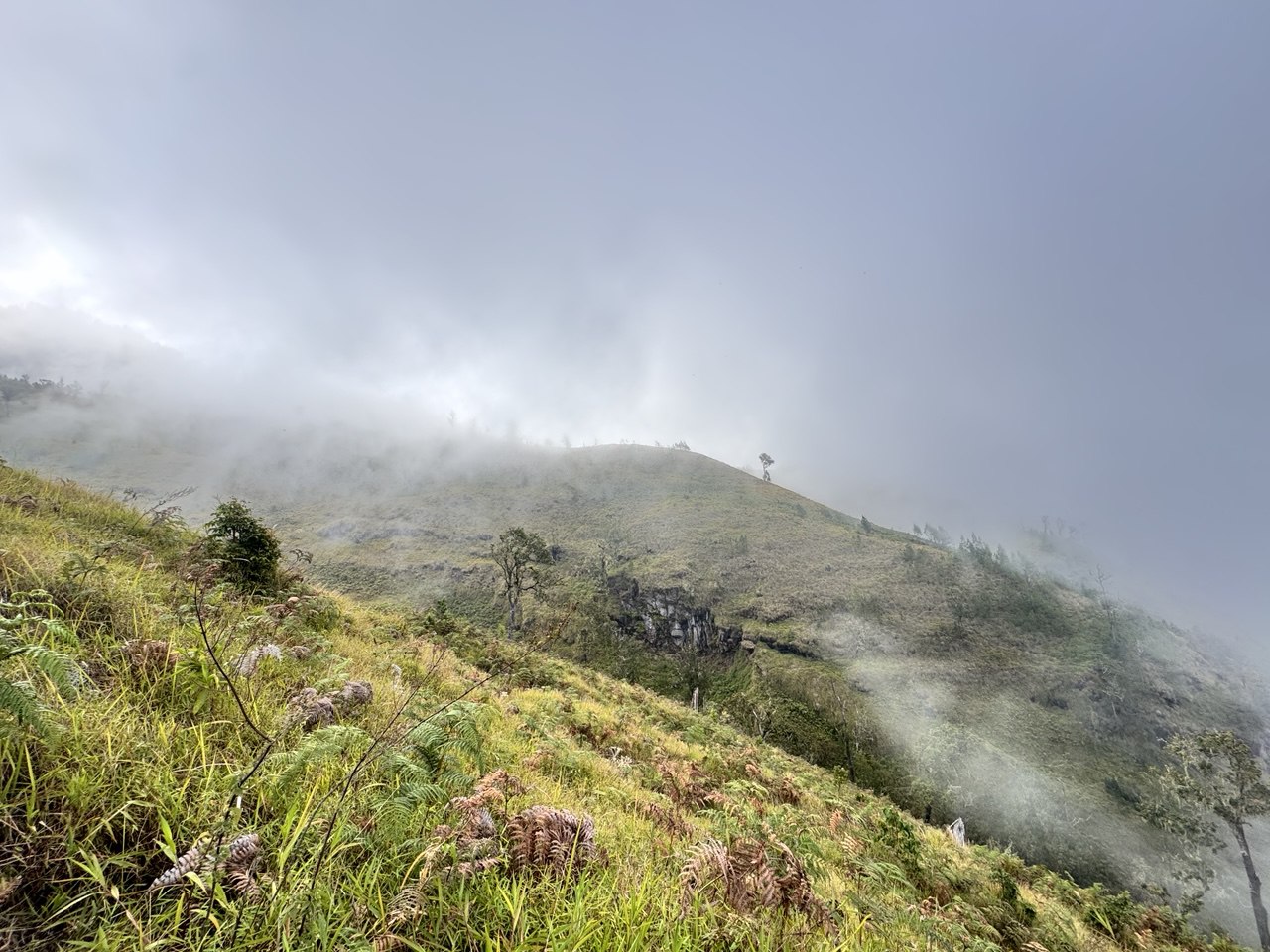
Tropical montane forest located 1,500 to 2,500 metres above sea level.
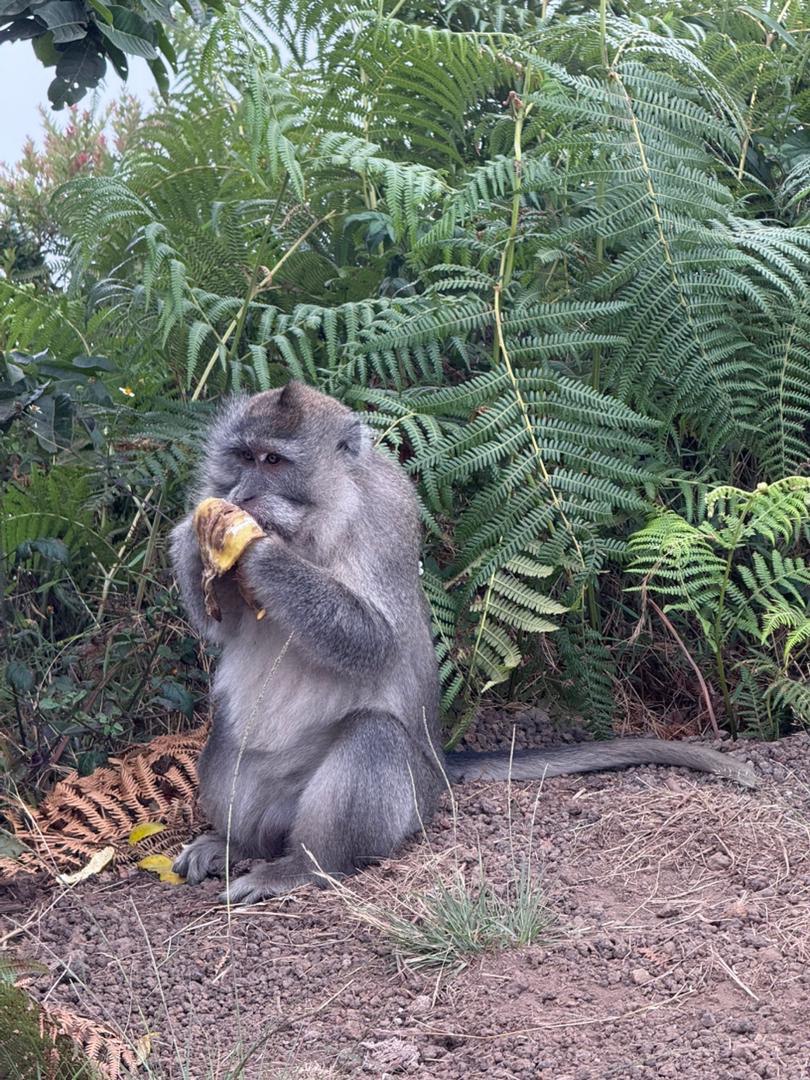
The long-tailed macaque (Macaca fascicularis).
The lower slopes support thick tropical hardwoods, while grasslands and the Javanese Edelweiss (Anaphalis javanica) dominate the higher regions.
The ecological diversity within the Rinjani National Park underscores the mountain’s importance as a biodiversity hotspot.
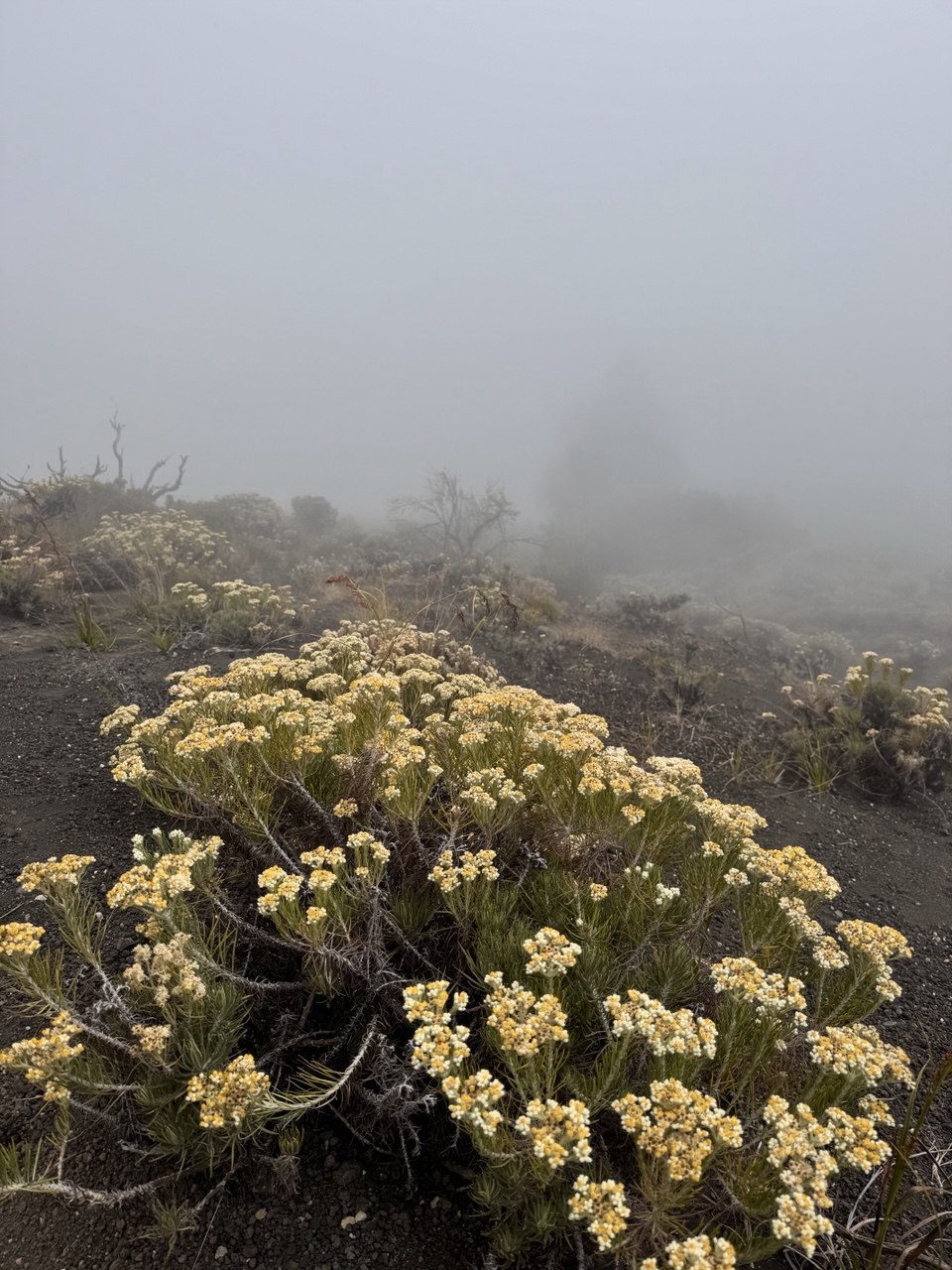
The Javan Edelweiss, also known as Bunga Abadi.
Cultural and Spiritual Significance
For the local Sasak people of Lombok and the Balinese Hindu community, Rinjani is a sacred site.
Pilgrimages are often made to the Segara Anak lake, where offerings and ceremonies are conducted to honour the gods and ancestral spirits.
The lake is believed to hold spiritual power, and its waters are considered holy. Each year, rituals such as the Pekelem Ceremony, where offerings are symbolically “sacrificed” into the lake, affirm the mountain’s role in local spiritual traditions.
This cultural layer enriches Rinjani’s identity, making it not only a natural marvel but also a living sacred landscape.
Adventure and Tourism
Mount Rinjani is one of Southeast Asia’s most challenging and rewarding trekking destinations.
Climbs typically start from the Sembalun or Senaru villages, with treks lasting two to four days.
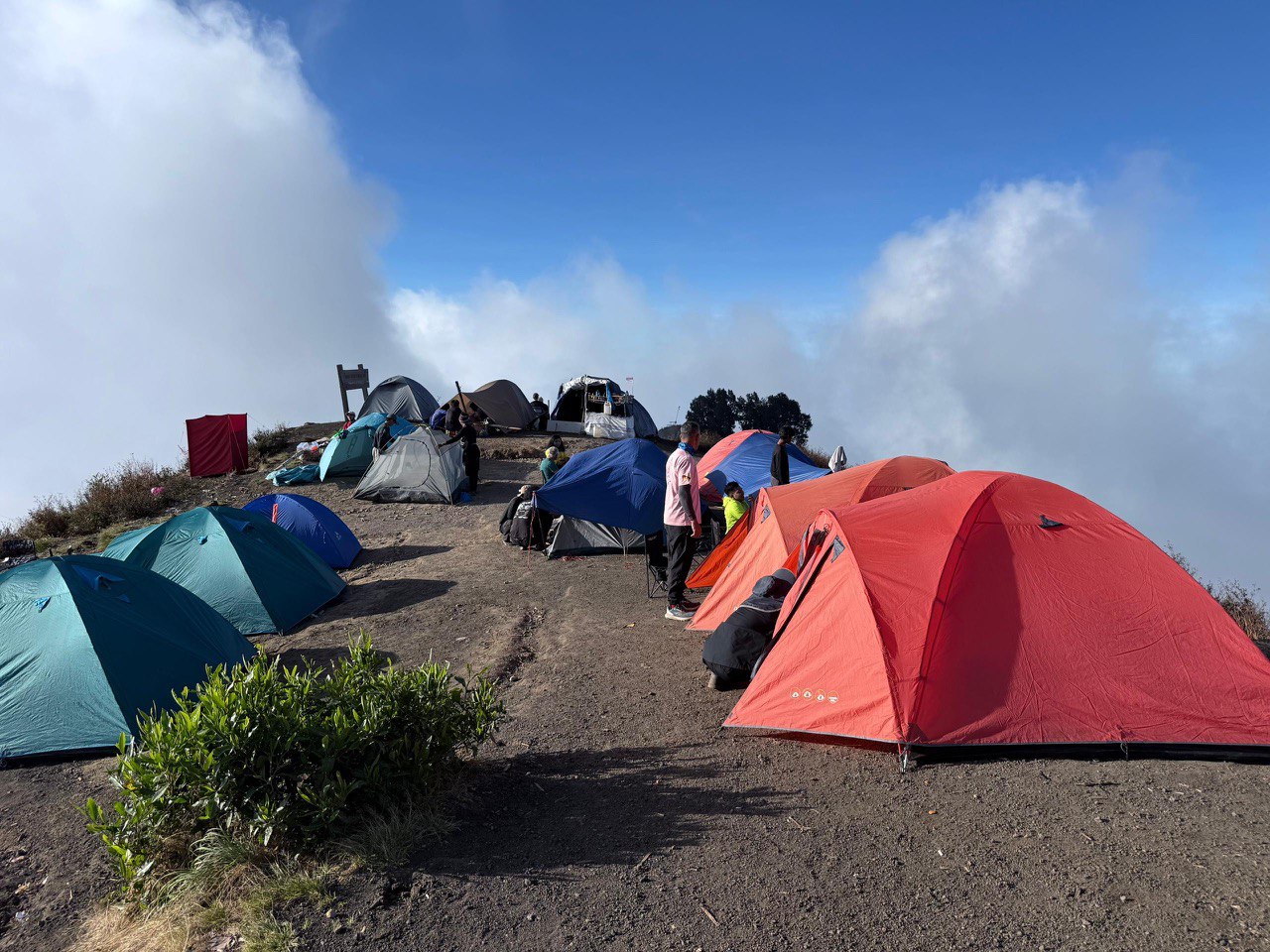
Sembalun Crater Rim Campsite (2639 metres above sea level).
The journey takes adventurers through verdant forests, rugged volcanic terrain, and panoramic ridgelines.
The highlight for many is reaching the summit at sunrise, when sweeping views extend across Lombok, Bali, and even as far as Sumbawa.
While the trek demands physical endurance, the rewards are immense—scenes of the Segara Anak lake shimmering in the caldera, the sight of clouds drifting across the peaks, and the stark reminder of Earth’s raw power.
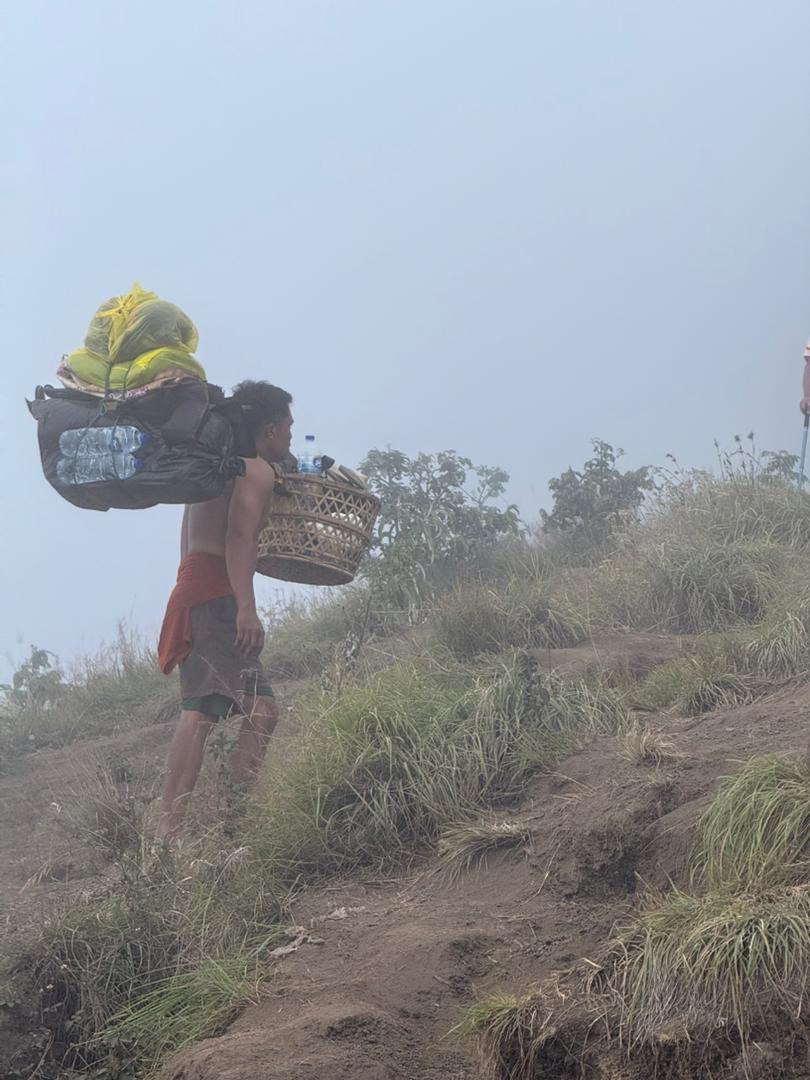
A local porter carries cutlery and food for hikers.
Tourism on Rinjani contributes significantly to the local economy, providing livelihoods for guides, porters, and hospitality providers.
However, the influx of visitors also presents challenges, particularly in waste management and environmental degradation.
In recent years, the Indonesian government and local communities have worked to regulate tourism, limit numbers, and enforce conservation practices to protect the mountain’s fragile ecosystems.
Conservation Challenges
Mount Rinjani National Park, established in 1997, encompasses the volcano and its surrounding ecosystems.
Despite its protected status, the park faces multiple threats, including illegal logging, poaching, and forest fires during the dry season.
The growing popularity of trekking has also placed stress on the environment.
Sustainable tourism initiatives, such as community-based ecotourism projects and reforestation programmes, are increasingly emphasised, aiming to balance economic benefits with environmental protection.
Conclusion
Mount Rinjani is far more than a towering volcano. It is a living testament to the interconnectedness of Earth’s natural and cultural systems.
Its caldera lake, active volcanic cone, and diverse ecosystems highlight the geological vitality of Indonesia’s “Ring of Fire.”
Its sacredness among local communities underscores the cultural depth tied to this landscape.
At the same time, Rinjani serves as a stage for human adventure and a testing ground for balancing tourism with conservation.
As Indonesia navigates the challenges of sustainable development, Mount Rinjani remains a symbol of resilience, majesty, and harmony between humans and nature.
Prepared by:
Science & Biology Teacher
SMK Trusan, Lawas, Sarawak
Note: All images in this article are the property of the writer.