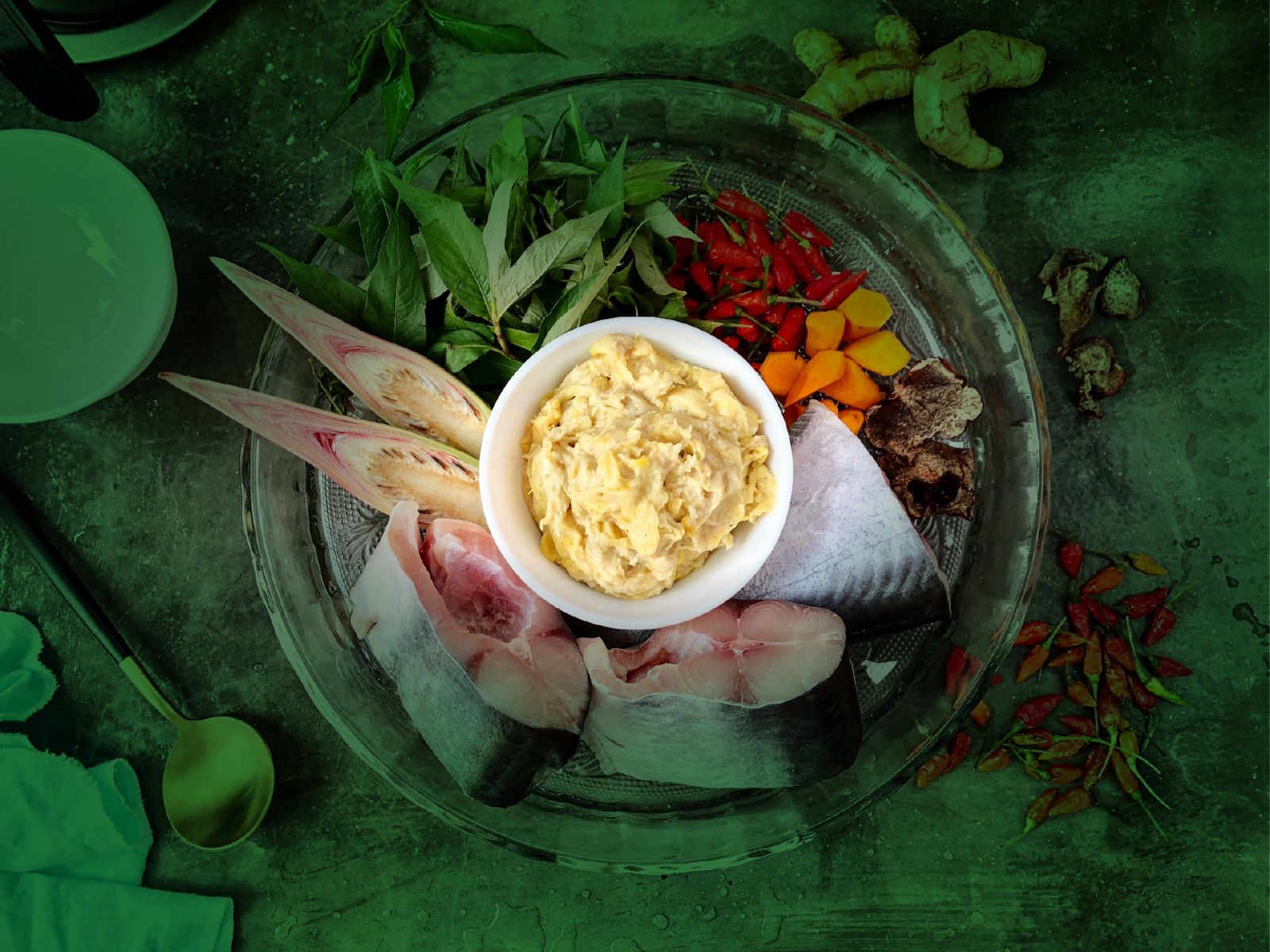
Tempoyak is one of Malaysia’s most daring traditional foods, made from fermented durian and loved (or avoided) for its strong smell and sour kick.
Popular on the East Coast and in parts of Sumatra, it was created long ago to save excess durian from going to waste.
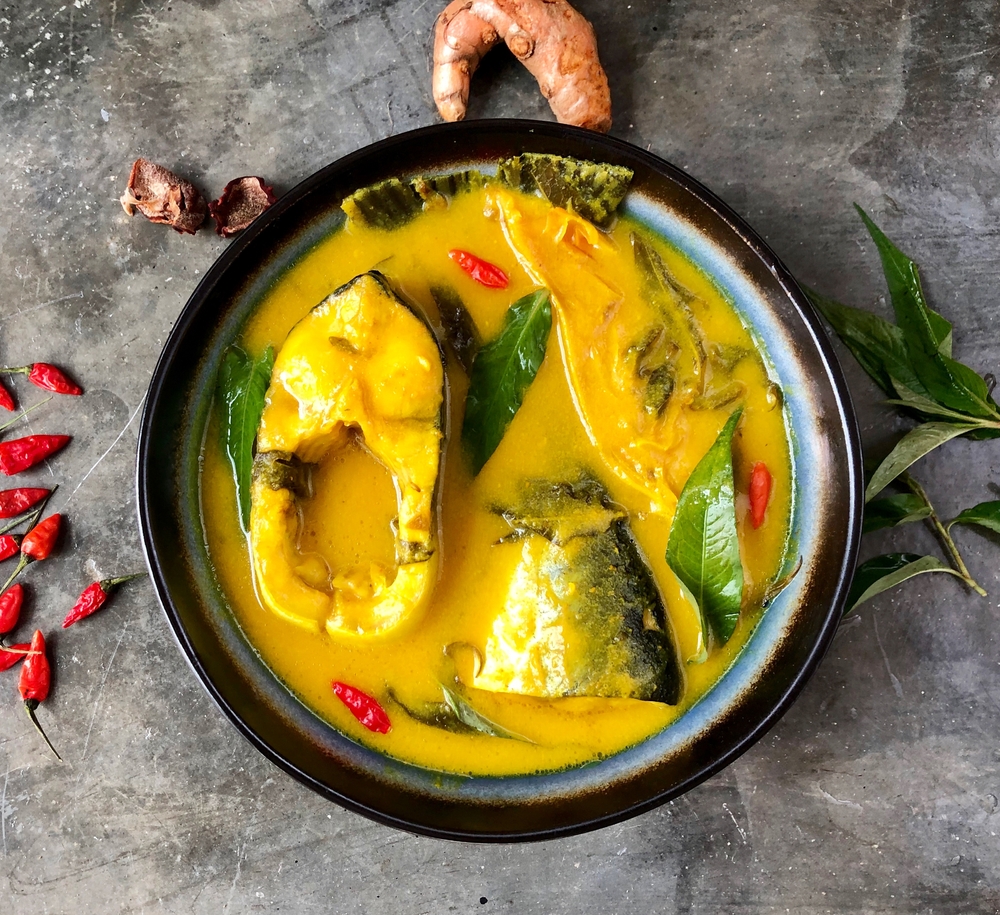
Tempoyak in Gulai Ikan Patin. Shutterstock
Today, tempoyak stars in dishes like tempoyak ikan patin (silver catfish), sambal (Southeast Asian chili-based condiment, paste, or sauce) and gulai (rich, spiced, and creamy stew found in Indonesian and Malaysian cuisine), usually enjoyed with hot rice. Despite fast food trends, this bold dish still wins hearts, proving that traditional flavours never go out of style.
The Origins of Tempoyak: Tracing the Beginning of a Malaysian Fermented Tradition
Tempoyak is a unique fermented delicacy deeply rooted in Malay culinary traditions. First recorded in Hikayat Abdullah in 1836, it was described as pungent yet widely enjoyed.
Popular among Malay communities in Malaysia and Indonesia, especially Sumatra and Kalimantan, its name comes from poyak, meaning “torn apart,” referring to the separation of durian flesh before fermentation. In some regions, it is called “durian asam” because of its sour taste.
Originally, tempoyak preserved seasonal durian, especially for semi-nomadic communities.
Durian is mixed with salt and fermented for several days, creating a sweet, tangy flavour. It is eaten with rice, used in sambal, or in gulai tempoyak with ikan patin, adding rich aroma, taste, and acidity.
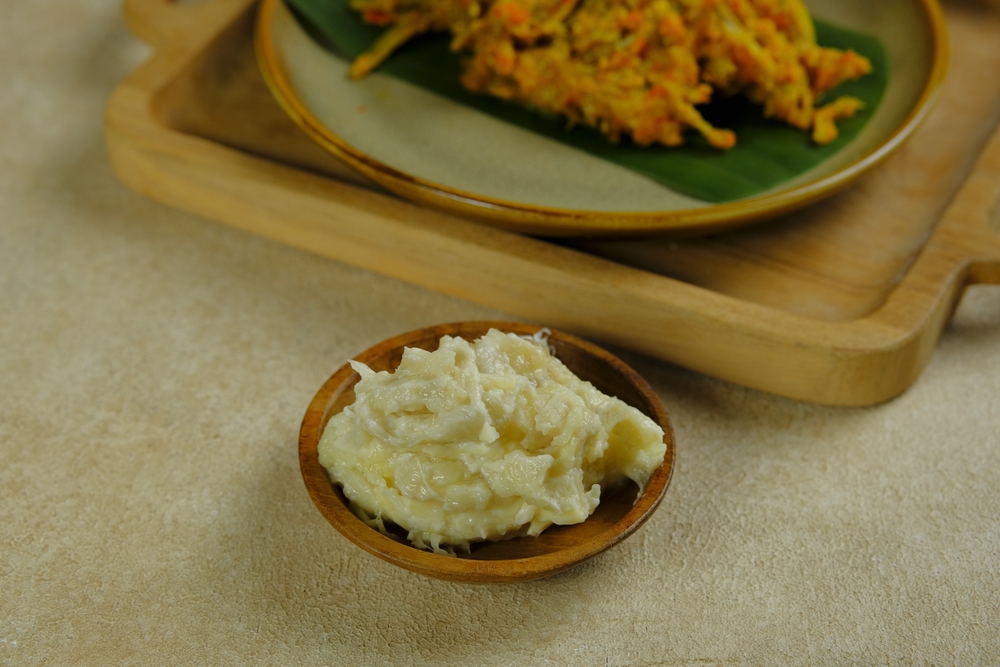
Tempoyak paste is basically durian flesh that has undergone a fermentation process. Shutterstock
The Science Behind Tempoyak: When Durian Meets Microbes
At first glance, tempoyak may look like durian that has spoiled, but scientifically it is the result of a controlled fermentation process.
Fermentation occurs when microorganisms break down food components, changing their taste, texture, and composition. In tempoyak, this process is mainly driven by lactic acid bacteria that naturally exist on durian flesh.
When durian pulp is stored in an airtight container at room temperature, oxygen is limited, allowing these bacteria to grow. They feed on the natural sugars in durian and convert them into lactic acid.
This acid gives tempoyak its sour taste and lowers the pH, preventing the growth of harmful bacteria. As a result, fermentation acts as a natural preservation method.
Fermentation also softens the durian flesh and creates deeper, more complex flavours. The breakdown of sugars and fibres may make tempoyak easier to digest.
Overall, tempoyak is not just traditional food, but a clear example of practical food science shaped by culture and necessity.
Tempoyak: The Fermented Treasure with Hidden Health Power
Tempoyak is not only part of Malay culinary heritage but also a nutritious fermented durian product. Durian provides quick energy from natural sugars and contains small amounts of saturated fat but no cholesterol.
It is rich in dietary fibre, which supports digestive health and may help reduce the risk of colorectal cancer. Durian also supplies vitamin C to strengthen immunity and minerals such as potassium, magnesium, iron, and manganese that support heart health, muscle function, and red blood cell production.
In addition, durian contains tryptophan, which helps improve mood and sleep quality. Tempoyak can also stimulate appetite, especially when eaten with traditional herbs and vegetables.
Bold Flavors, New Ideas: Safety and Innovation in Tempoyak
Fermentation helps food last longer by producing substances that slow or stop the growth of harmful bacteria. Studies have shown that tempoyak has antimicrobial effects against common pathogens, but improving its shelf life remains a challenge.
To address this, high-pressure processing has been explored as a modern, non-thermal method. This technique preserves flavour, texture, nutrients, and overall quality without using heat.
Innovations have also included turning tempoyak into flour to extend shelf life and reduce strong aroma.
Today, tempoyak is experiencing a revival, balancing traditional fermentation with food safety while being creatively reinvented for modern tastes.
Conclusion
Tempoyak is a traditional Malay dish made by fermenting durian with salt. The fermentation gives it a distinct sour taste and strong aroma, making it unique and widely used in local dishes like gulai tempoyak and sambal tempoyak.
Beyond flavour, tempoyak also contains lactic acid bacteria that may contribute to gut health, although not all strains are classified as probiotics.
Today, tempoyak has potential as a commercial product and a part of culinary tourism, but keeping the traditional way of making it ensures its authentic taste is preserved.
Overall, tempoyak is not just food, it is a cultural treasure worth protecting and passing on.
Prepared by:
Nurul Aina Farhana binti Shahrul Aswan
Faculty of Applied Science and Technology
Universiti Tun Hussein Onn Malaysia (UTHM)