A love for biology sparked Dr Izzah Ruzana Mohd Hanapi’s interest in STEM, but it was her passion for public health and improving people’s well-being that shaped her career. In this interview, she shares her journey, the challenges she has overcome and why science is ultimately about making a difference in people’s lives.
What inspired your career in STEM? (This could be an event or significant moment, or someone like a parent, teacher, or community)
If someone had asked me when I was 17 years old whether I would become a researcher one day, I probably would have laughed and said, “I don’t know!”
What I did know was that I loved Biology! I was the kind of person who enjoyed reading about scientific discoveries and asking “why” and “how” things work.
As I grew older, I realised that STEM is much more than reading, memorising formulas, and doing experiments. It is about finding solutions to real-world problems and making a meaningful impact on society. Knowing that research and scientific discoveries can contribute to better healthcare and healthier communities inspired me to pursue a career in STEM.
What is your educational background? Where do you work now, and what interests you the most about your work?
My journey started in the Science Stream at SMK Puchong Perdana. I then continued my Matriculation in the Biology Module at Kolej Mara Kulim, Kedah, where my passion for life sciences and health-related subjects continued to grow.
I pursued my Bachelor of Science (Hons) in Biohealth Science at Universiti Malaya and graduated with First Class Honours.
I have been actively involved in research and community outreach since the third year of my undergraduate studies.
Driven by my interest in research and public health, I pursued a PhD in Life Sciences. I successfully passed my viva voce in May 2026.
While pursuing my PhD, I worked as a Graduate Research Assistant at Universiti Malaya, where I was involved in laboratory research, infectious disease studies, scientific publications and community programs. In 2024, I joined the National Kidney Foundation (NKF) Malaysia as a Public Education Executive, where I became involved in programmes focused on non-communicable diseases, community health screenings, public health awareness and research.
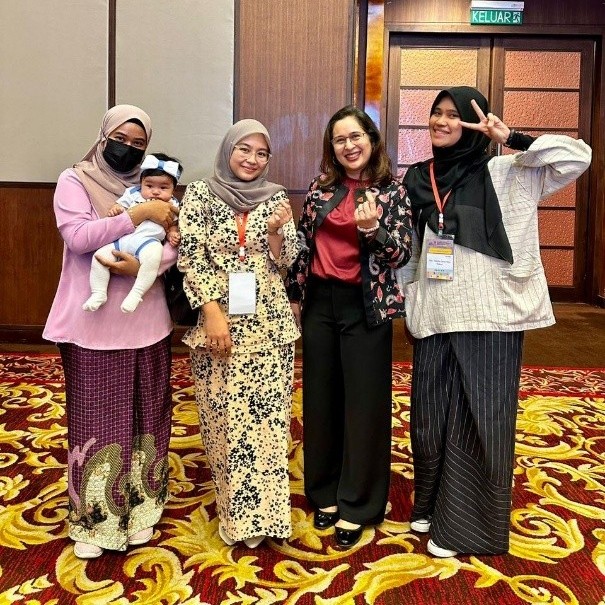
Research is not a journey taken alone. I am grateful to have my supportive supervisors, Professor Siti Nursheena, as well as Professor Lau Yee Ling, and Dr Norhidayu (not in the picture).
Today, I am part of the life sciences industry, helping connect scientific innovations with real-world applications. This journey has taught me that STEM is not only about experiments and laboratories; It’s about solving real problems, improving people’s lives and creating positive change through science and innovation.
What excites me most about my work is that there is always something new to learn. Whether in research, public health or industry, I enjoy exploring how science can be applied to improve people’s health and well-being.
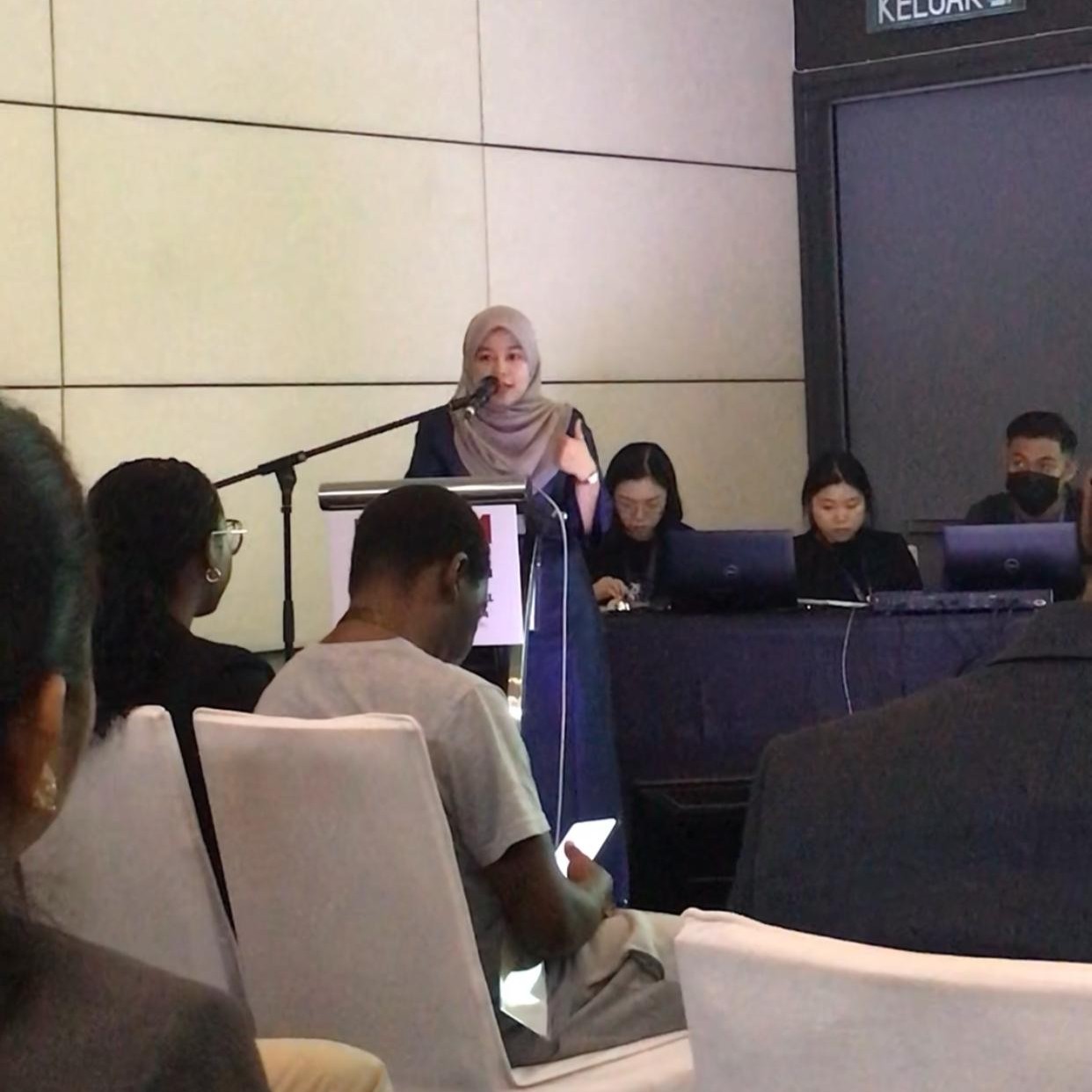
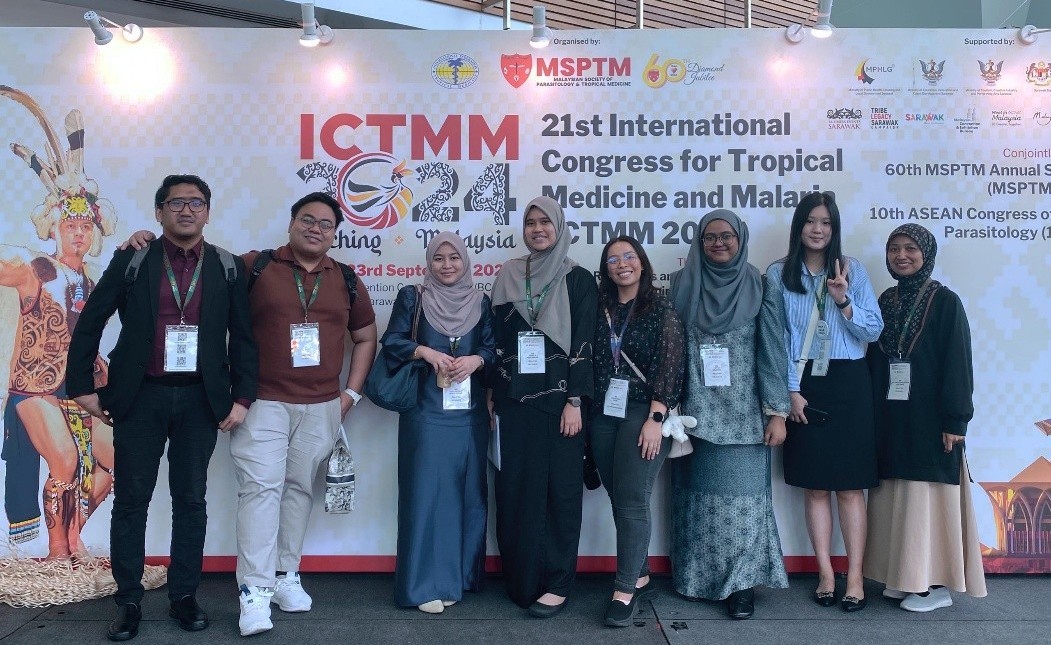
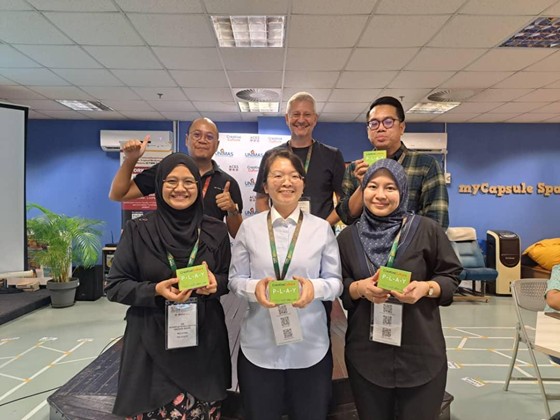
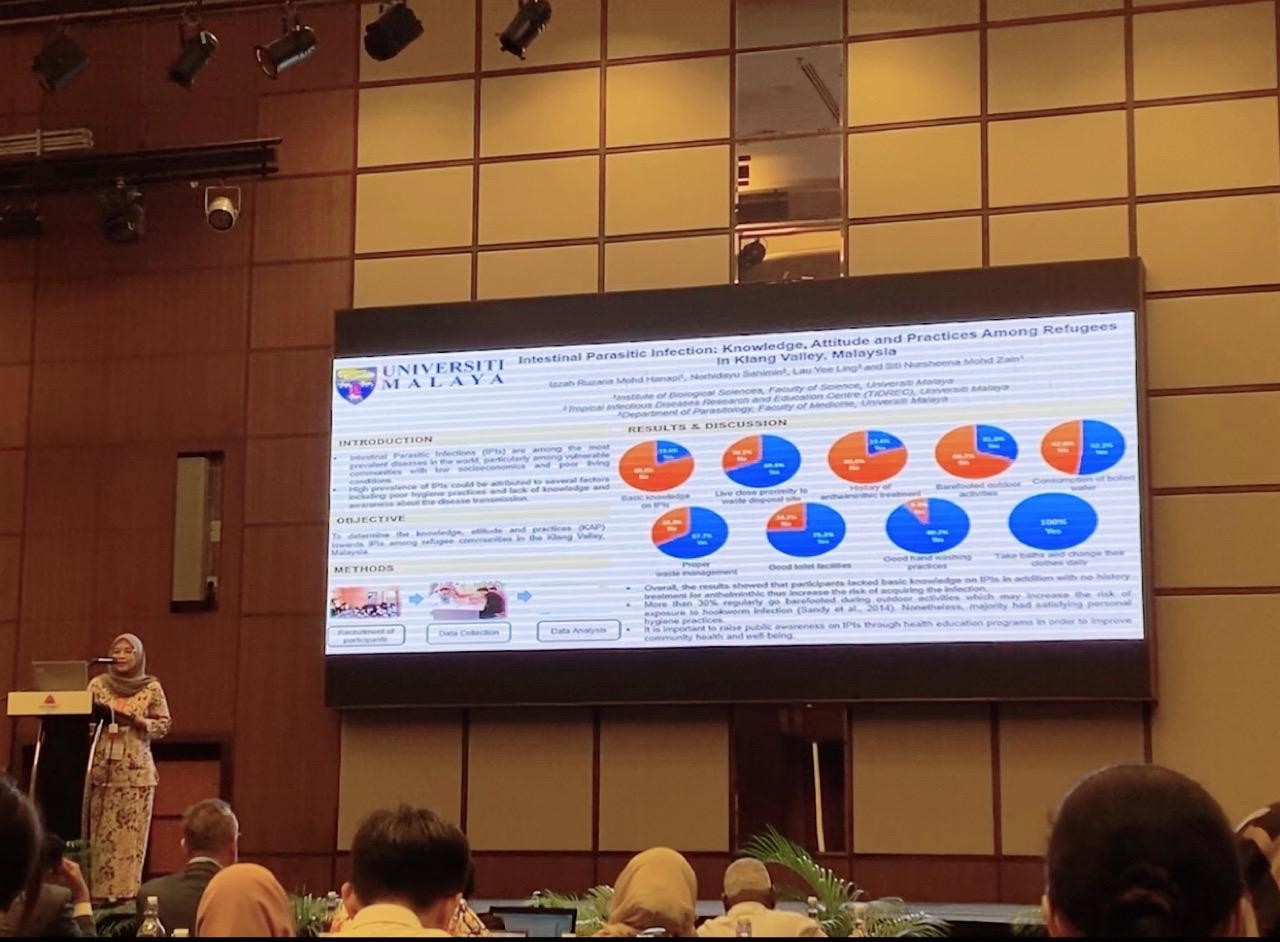
Some memorable moments from scientific conferences I attended in Penang and Kuching, Sarawak, were presenting my research and meeting people from different backgrounds. Attending conferences is one of my favourites!
What area of research do you do, and why is it important to society?
My research focuses mainly on public health and infectious diseases, particularly among underserved and vulnerable communities. Some of my studies involved investigating intestinal parasitic infections and leptospirosis among refugee communities in Malaysia.
I find this meaningful because many factors beyond medical treatment alone influence health. Factors such as living conditions, sanitation, education and access to healthcare can have a huge impact on a person’s health and quality of life.
Through research, we can better understand these challenges and identify ways to address them. The findings can help support disease prevention efforts, improve healthcare planning and inform public health policies. At the end of the day, the goal is simple: to improve the health and well-being of individuals and communities.
What are some of the biggest challenges you have faced in your research, and how did you address them?
One of the biggest challenges I faced was during the COVID-19 pandemic. Like many researchers around the world, I experienced disruptions to laboratory work, field activities and sample collection, which affected the progress of my research.
At the same time, I was balancing multiple responsibilities as a student, a full-time employee, a wife, a mother and a daughter. Of course, there were moments when I felt overwhelmed and wondered whether I could manage everything.
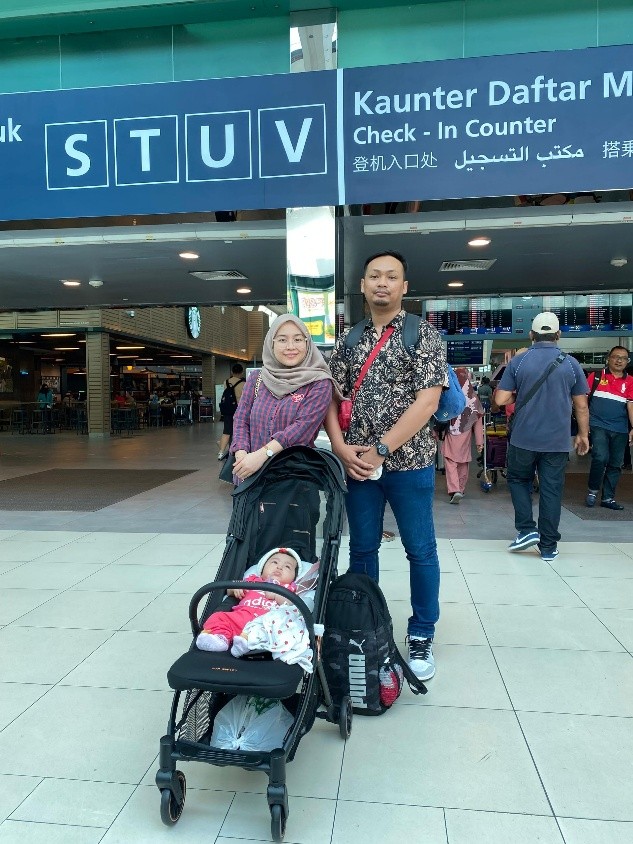
Behind every achievement is a strong support system. This is my small family. My husband and my daughter, who always supported me throughout my research journey!
“Take things one step at a time.” I tried to focus. I tried to do what I could each day, the best I could, and kept moving forward. I was lucky to have such supportive supervisors, colleagues, friends and family who encouraged me throughout the process. Looking back, these challenges helped me grow not only as a researcher but also as a person.
Many think scientists only work in labs, but that’s not always true. What do you think of this perception? Where have you done the research for your work, or where have you worked in the past?
When I was younger, I thought scientists spent all their time in a lab wearing white coats and looking through microscopes. The truth is much more interesting.
Throughout my journey, I’ve been involved in community health programmes, health screenings, fieldwork, data collection and analysis, research projects and sharing findings with various groups. For example, some of my research projects involved working with refugee, urban poor and homeless communities in Malaysia, where we conducted fieldwork and collected data directly from the community.
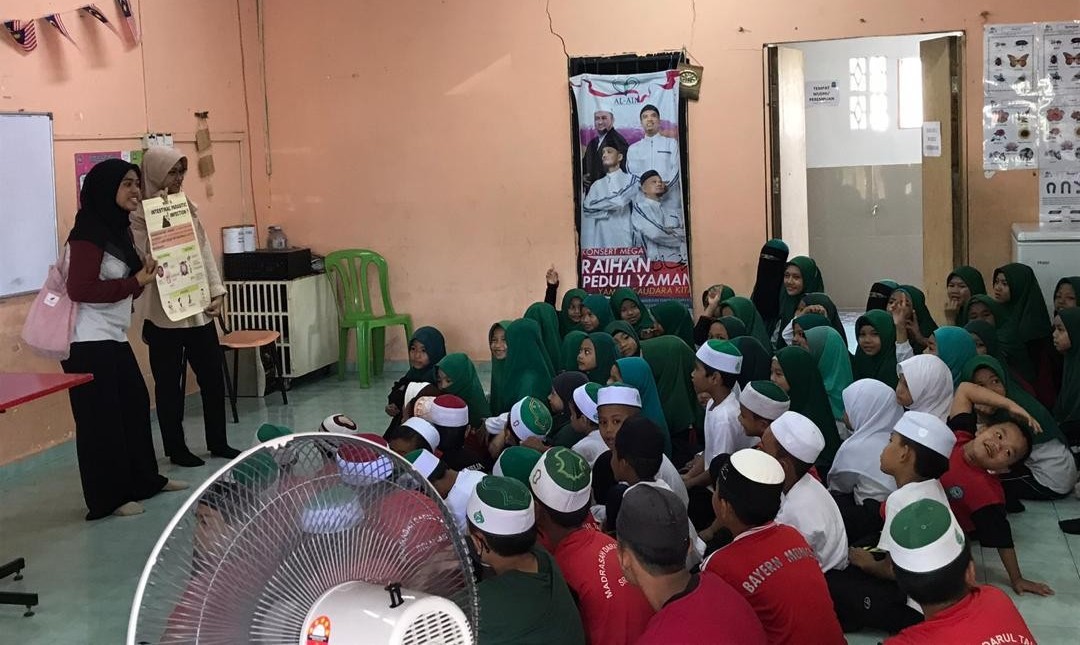
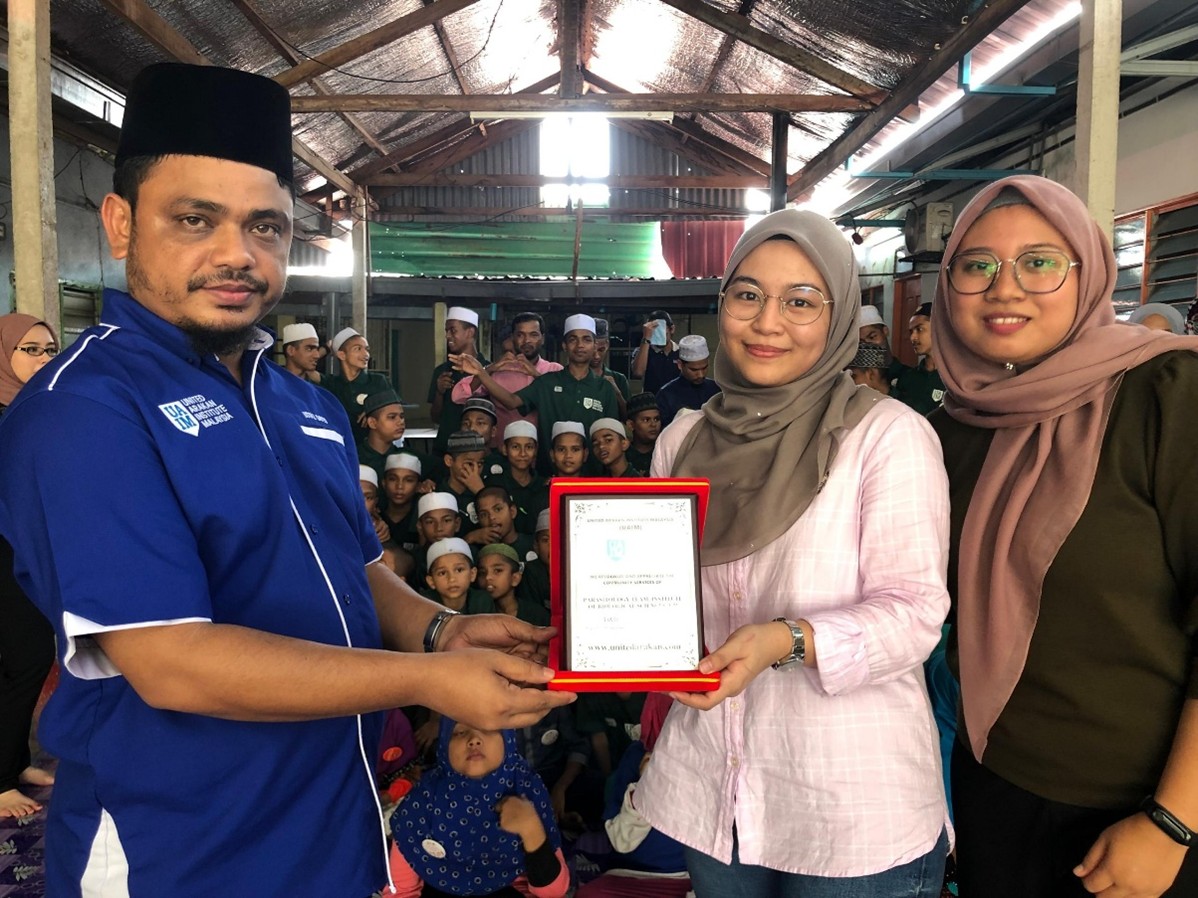
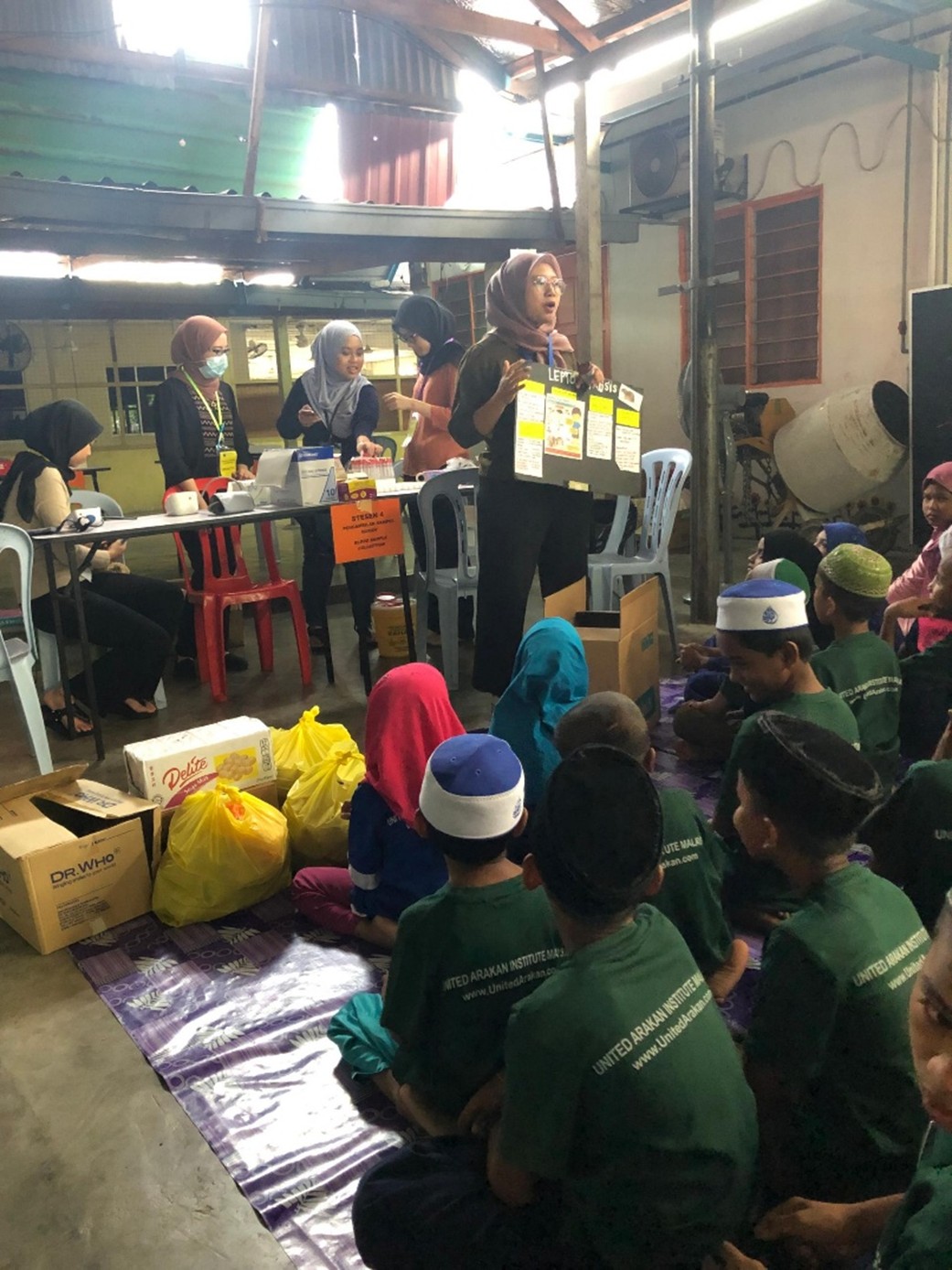
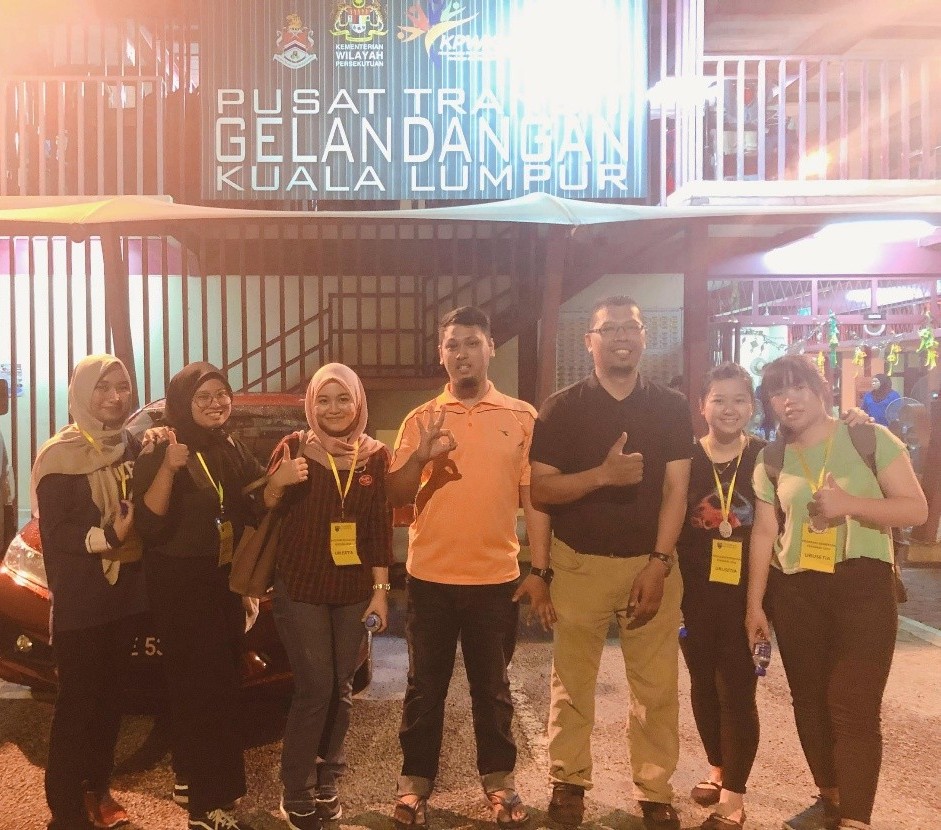
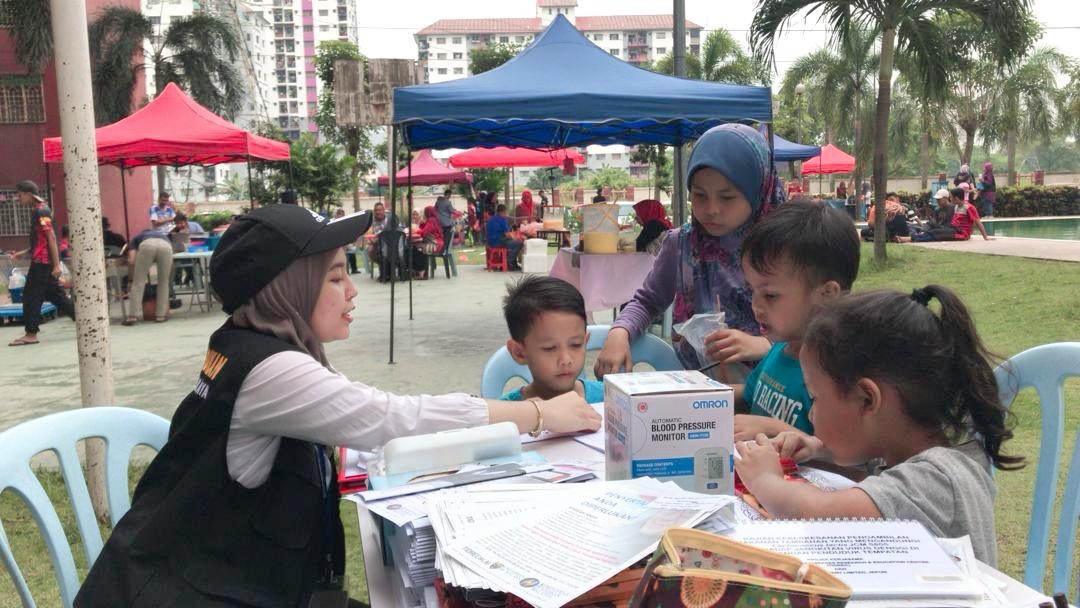
Some of my most meaningful moments as a Graduate Research Assistant at Universiti Malaya were working with my team to improve community health through research and outreach.
One of the things I enjoy most is the opportunity to work closely with healthcare professionals, community leaders and research teams.
Some of my most meaningful experiences actually happened outside the lab. I had the chance to meet people from different communities and see how science can help solve real problems and improve lives. That’s what makes science so exciting and rewarding for me.
Can you share any interesting or funny stories while pursuing your research?
One funny moment I remember from my days in research was during the gel electrophoresis experiment. I had prepared everything and felt confident that it would run smoothly. After waiting for a while, I went to check the gel, only to find that nothing had moved!
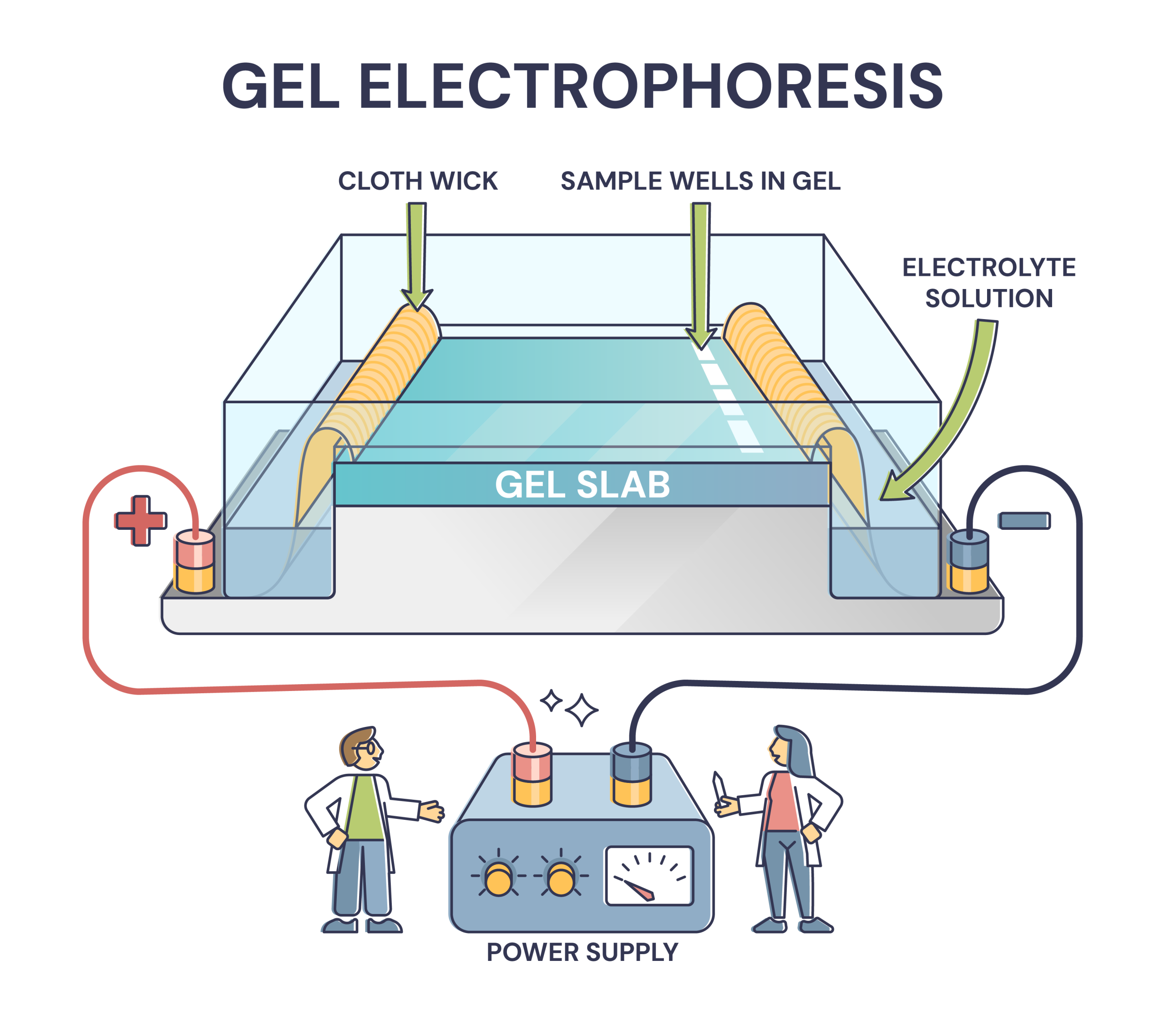
It was then that I realised I had connected the electrodes the wrong way! My lab partner and I couldn’t stop laughing because we had been waiting for the results for quite some time, only to realise we had been waiting for nothing! It was a simple mistake, but it reminded me that everyone makes mistakes while learning, even in science.
What motivates you when you feel “down,” and how do you come back stronger & more enthusiastic at work? What do you find most rewarding about your job?
Whenever I feel down, I remind myself why I chose this path in the first place. I also try to look back and appreciate how far I have come, from being a student who was curious about science to where I am today.
I am also grateful to have supportive family members, friends, supervisors and colleagues who have always encouraged me, especially during difficult times. Their support has made a huge difference.
What motivates me most is knowing that my work can make a positive impact. Whether through research, public health programmes or supporting scientific innovation, it’s rewarding to know that what I do may help improve people’s health and quality of life.
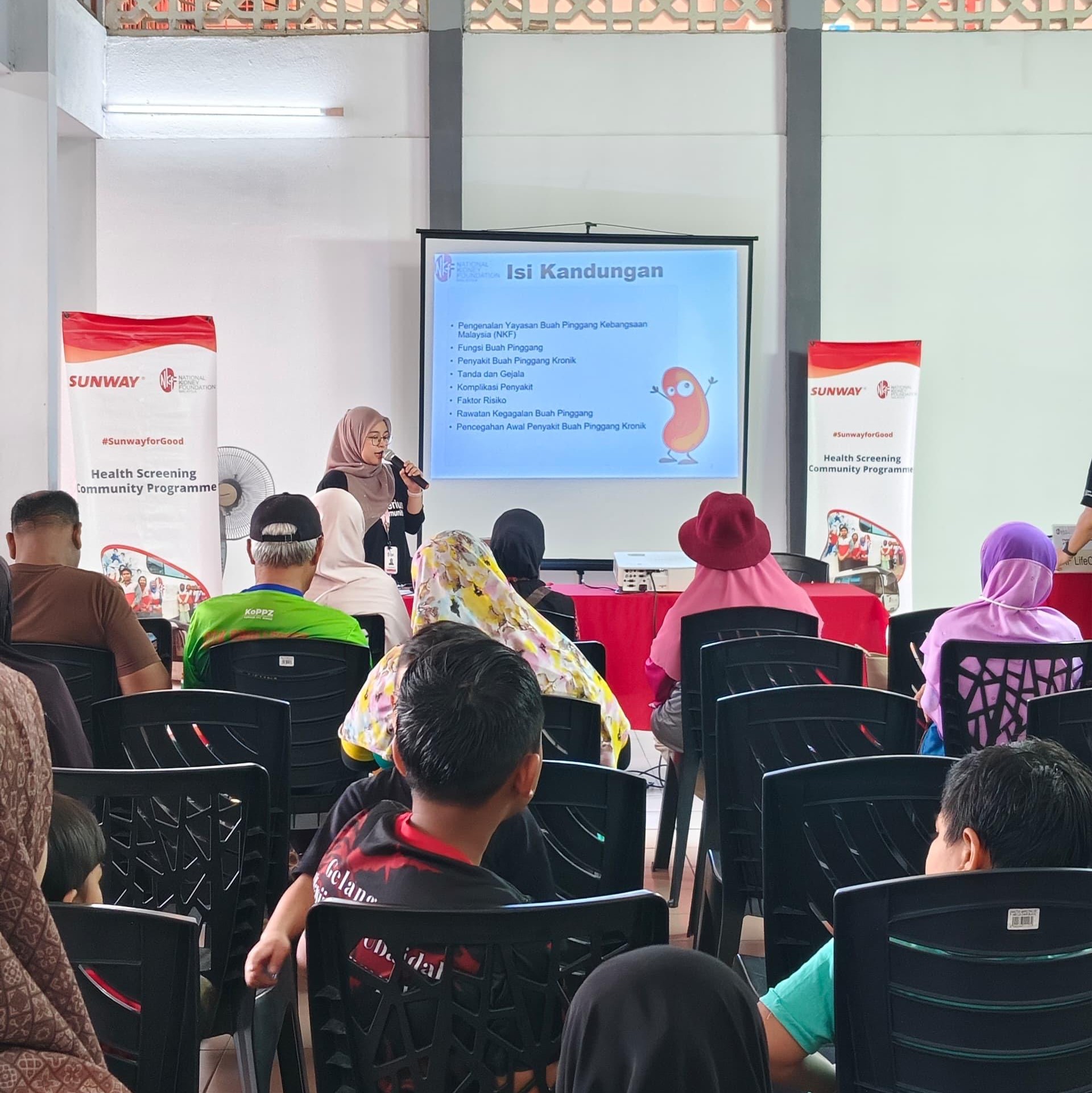
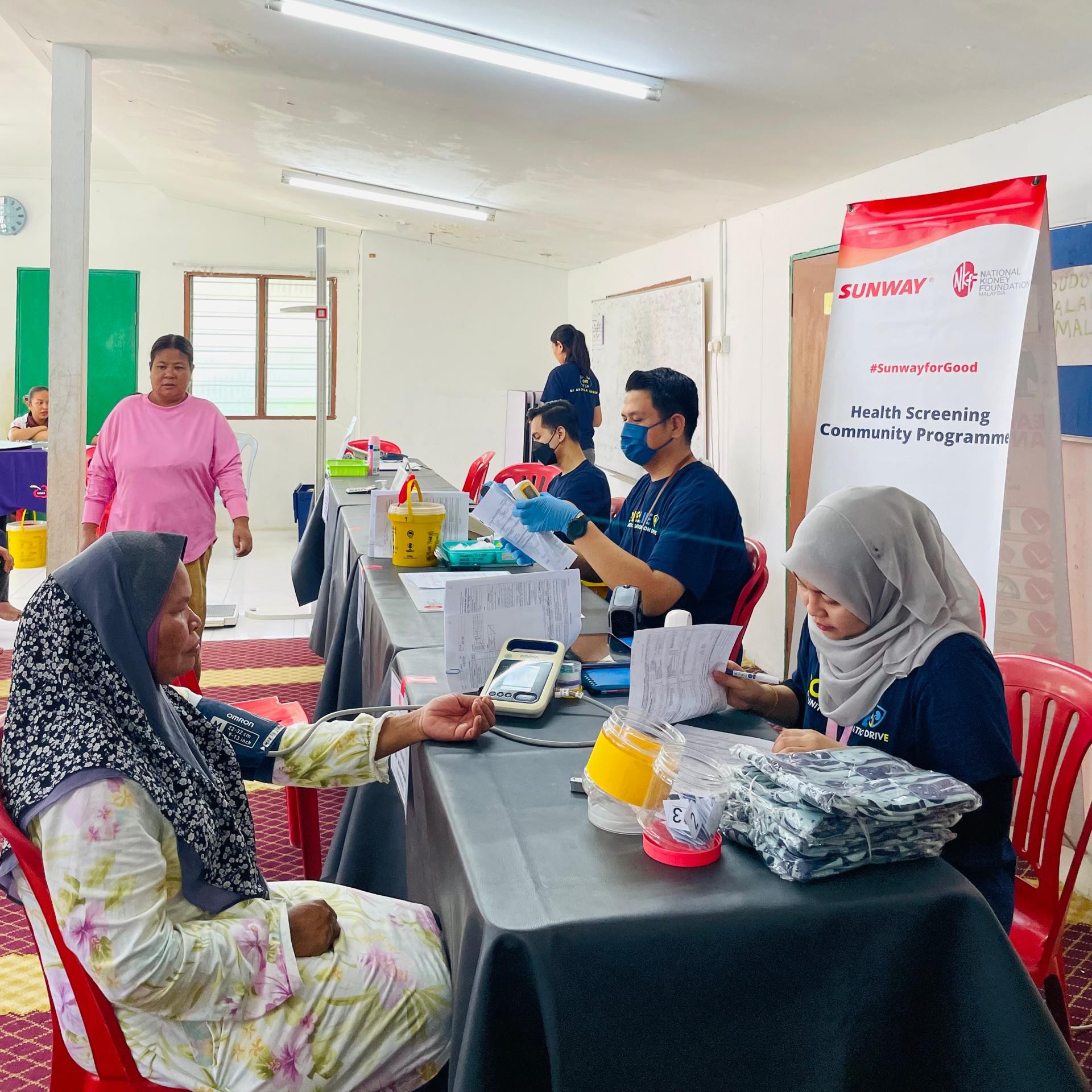
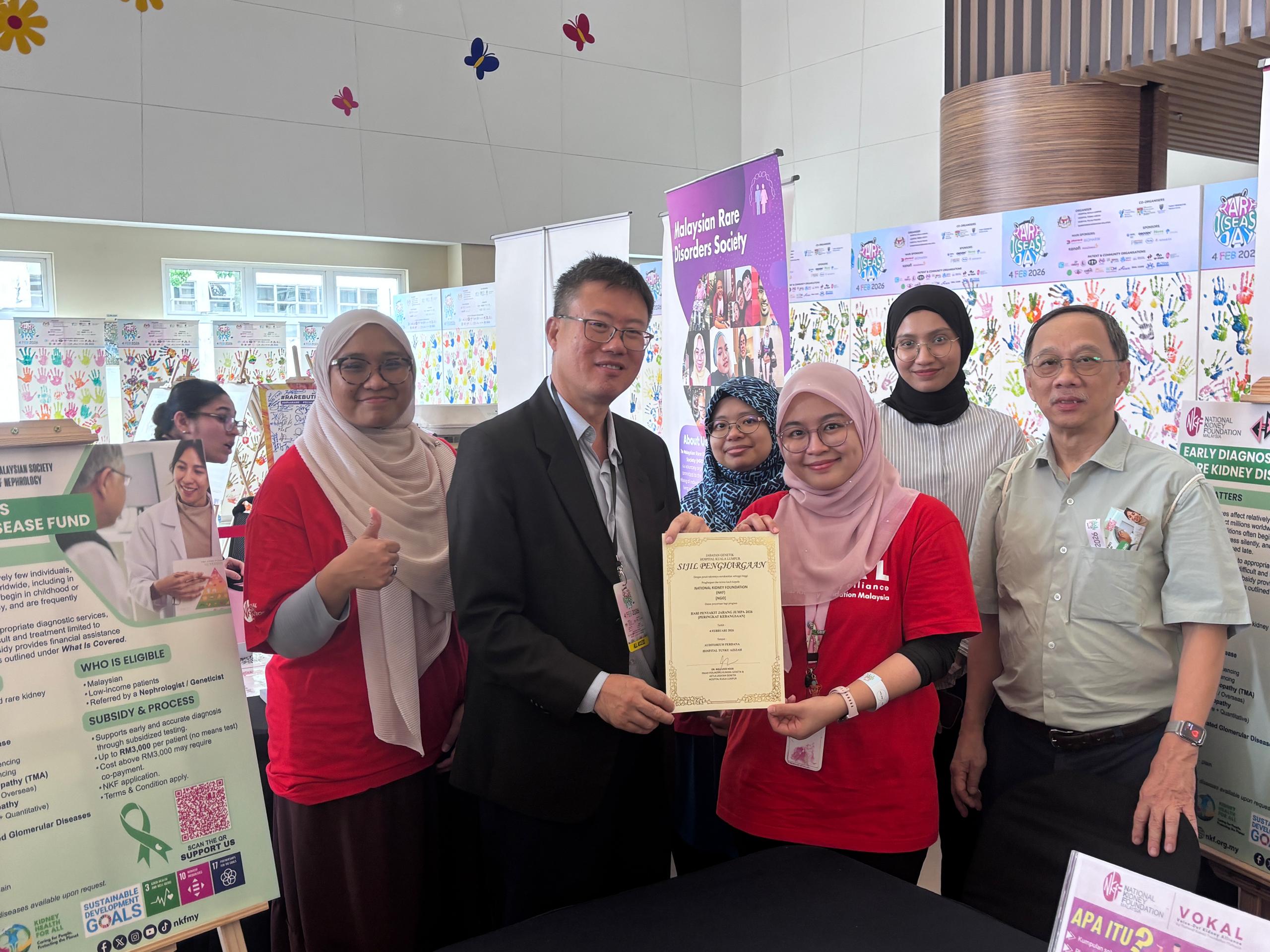
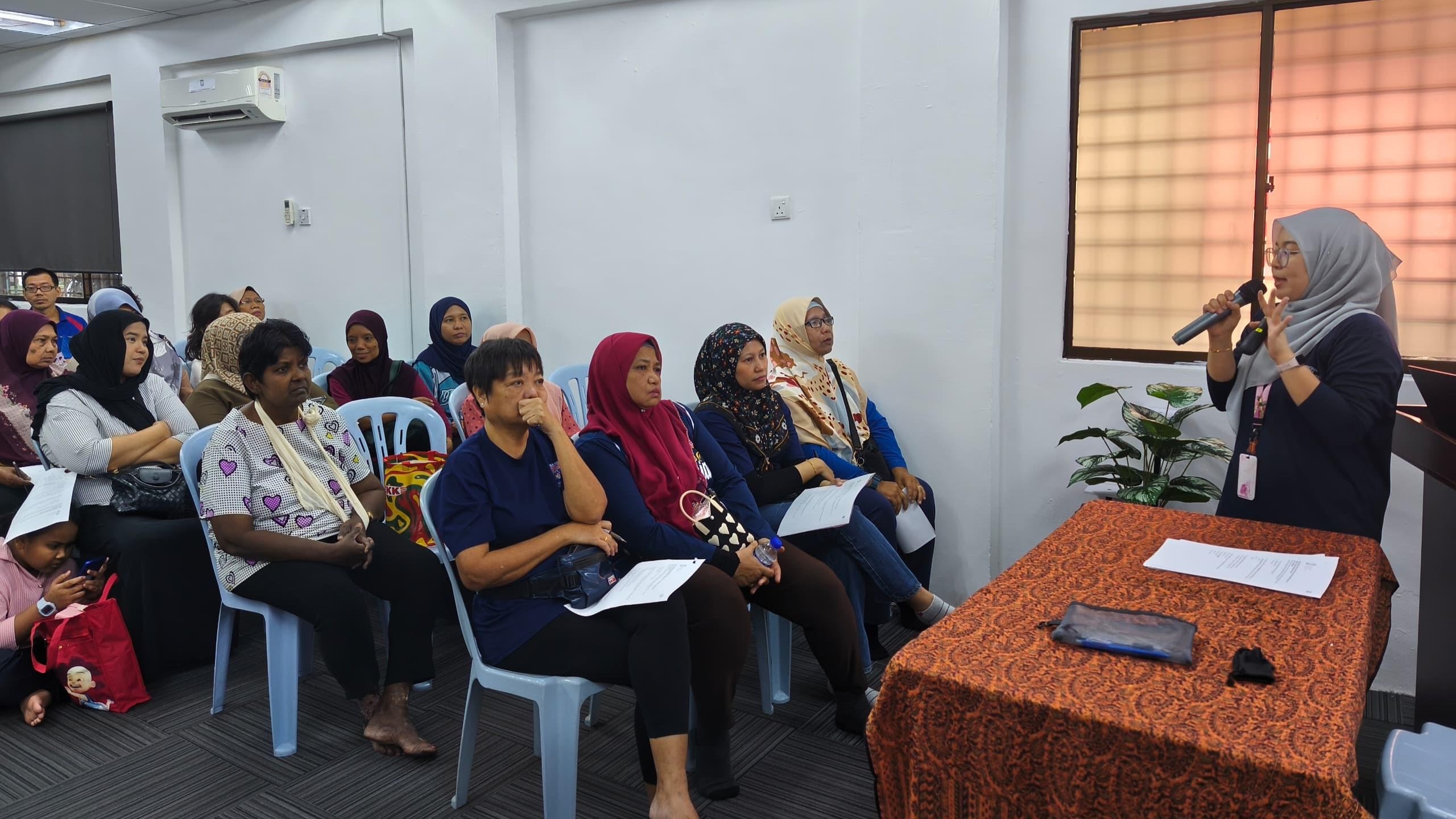
My passion for public health! These moments reflect my experience with NKF Malaysia, where I was involved in health screenings, health talks, awareness and exhibitions.
What advice would you give young people interested in pursuing a career in STEM?
Stay curious and never be afraid to ask questions.
You do not need to know everything from the start. STEM is all about learning, exploring and discovering new things. There will be times when things don’t go as planned, and that’s okay. Every challenge and mistake is a chance to learn and improve.
Most importantly, don’t compare yourself to others. Everyone has their own journey and moves at their own pace. Keep learning, believe in yourself and don’t be afraid to try new opportunities.
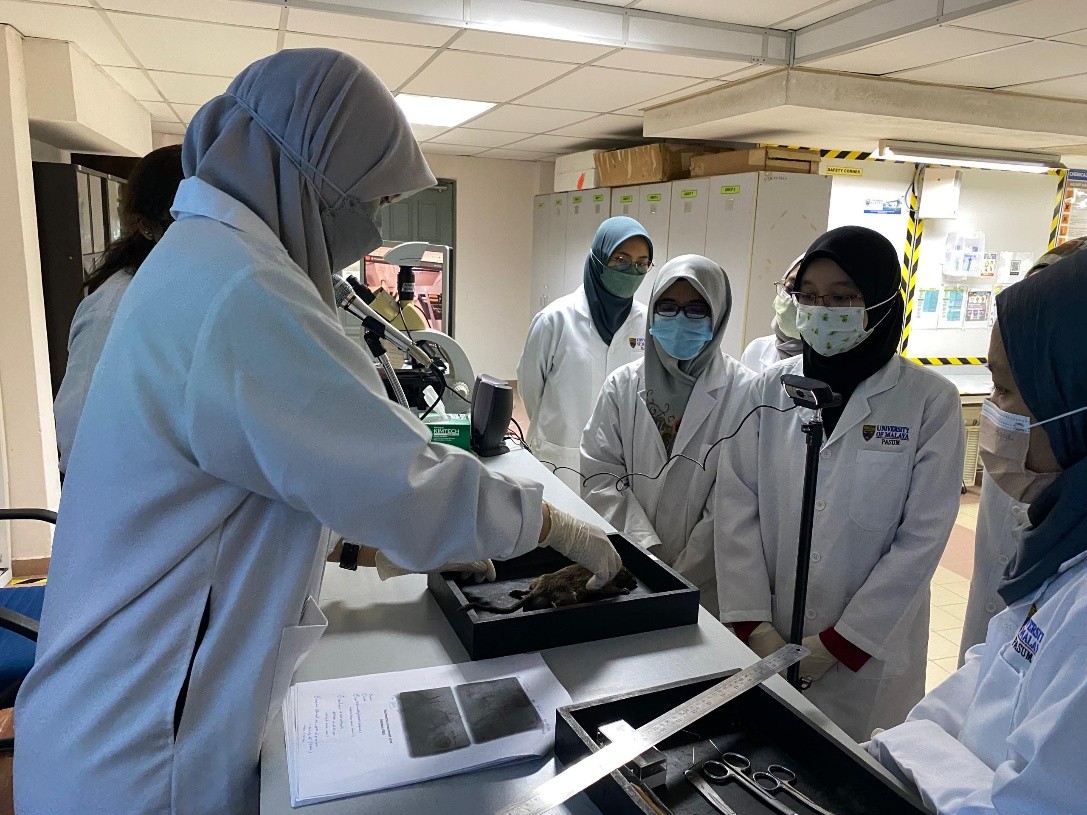
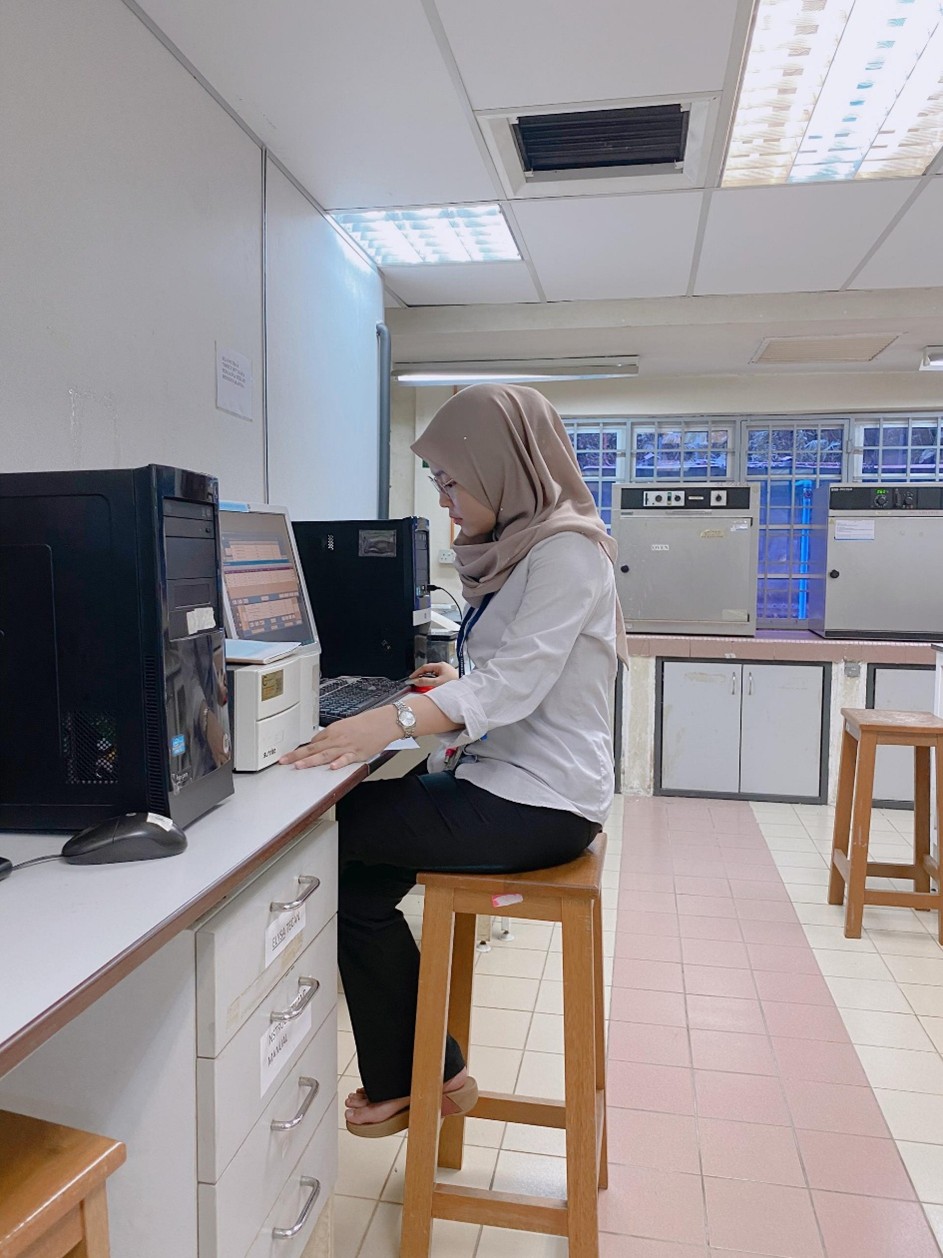
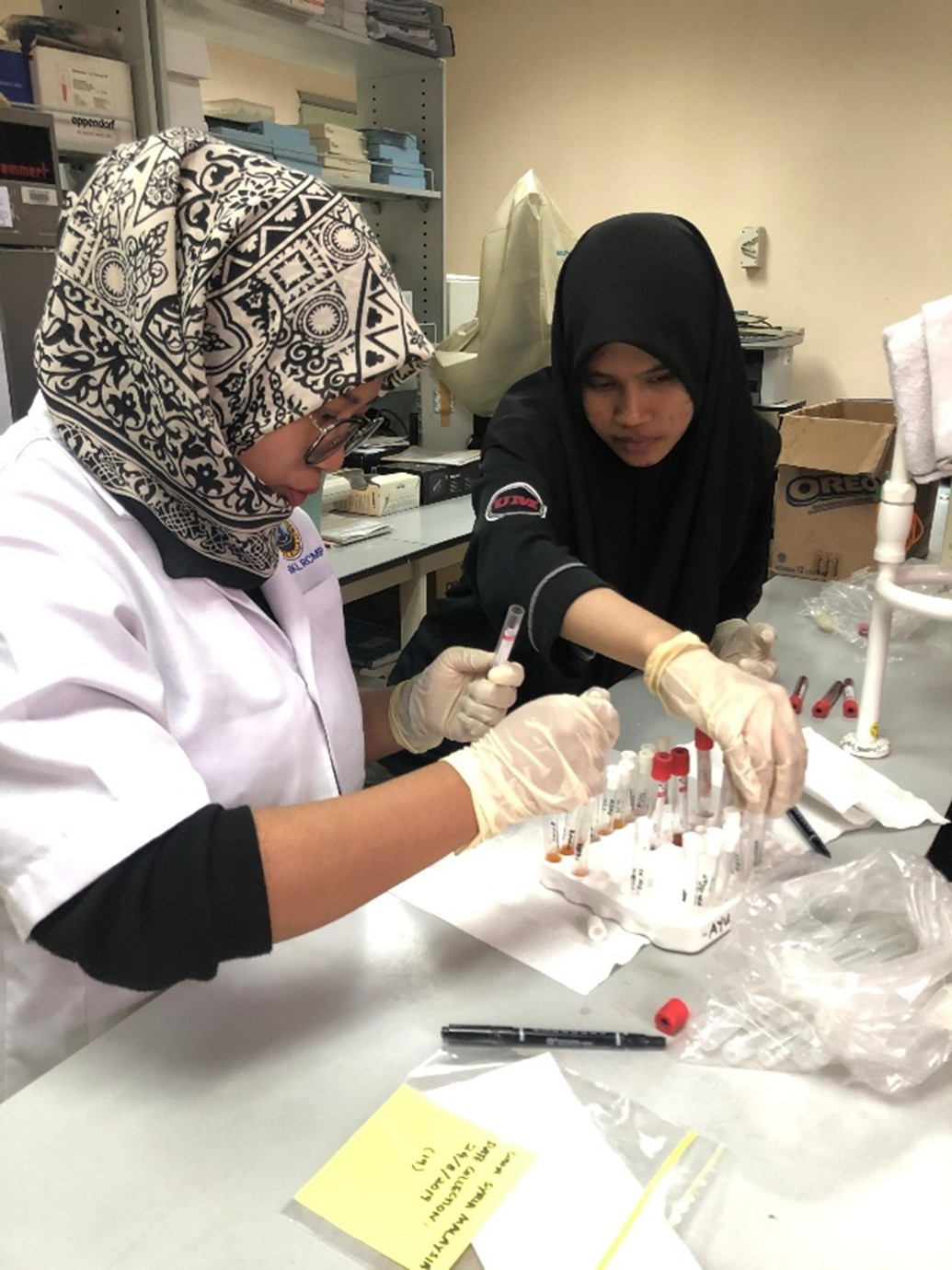
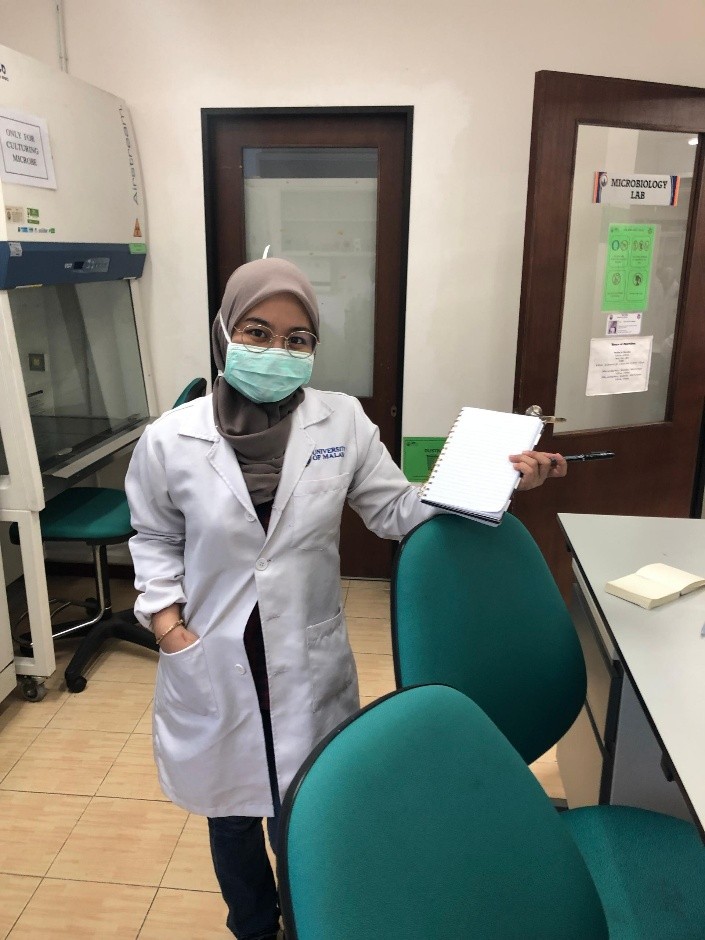
From working in the laboratory and analysing data to helping students during practical classes, each experience allowed me to learn, grow and develop my passion for science.
What skills do you think they should develop?
I think one of the most important skills young people can develop is the ability to think critically and solve problems. Science is not just about memorising; it is also about asking questions and thinking of different ways to solve problems.
I also believe that communication and teamwork are just as important. In STEM, you often work with people from different backgrounds, so being able to share ideas, listen to others and work together effectively is a valuable skill.
What areas will be most exciting to explore in the coming years?
I think one of the most exciting areas to explore in the coming years is the connection between science, public health, research and life science innovation.
Through research, we can better understand health challenges and identify new ways to prevent and manage diseases. At the same time, advances in life science and technology are creating new opportunities to improve healthcare and public health programmes.
I hope that in the next few years, I can continue supporting research and innovation that can improve healthcare and benefit more people. 🐝
This article was developed as part of a collaborative effort between e-estidotmy, an initiative of ASM, and Kementerian Pendidikan (KPM).