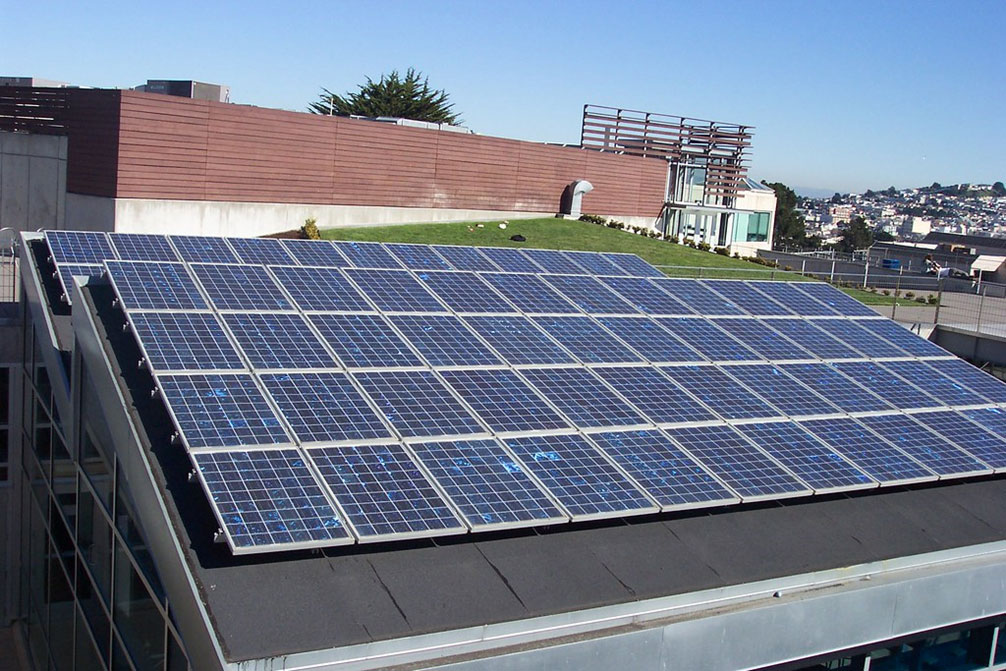
Solar energy is the fastest-growing renewable energy source compared to other sources like bioenergy, wind energy, and hydropower, as it is easily implemented in our buildings and has reshaped many rooftops.
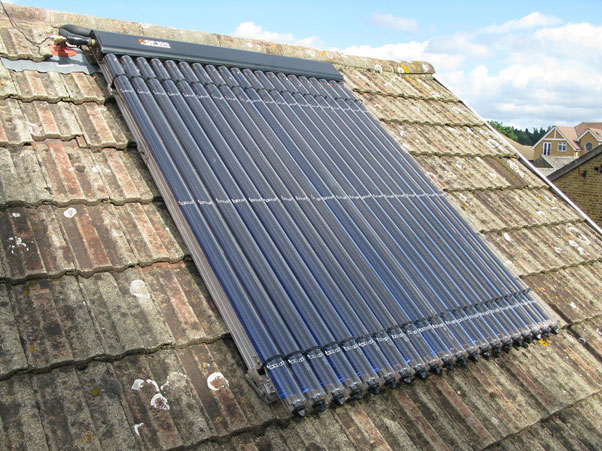
Among available renewable energy sources, solar energy has the highest potential, as the energy from the sun is nearly infinite; we are limited only by our ability to harness it efficiently.
Malaysia, located near the equator, is blessed with abundant solar energy throughout the year.
This gives us the opportunity to harness solar energy continuously to reduce our dependence on fossil fuels and, in turn, fulfil our part in combating global warming.
Commonly, solar energy is harnessed using solar photovoltaic (PV) technology, which converts sunlight into electricity that can then power many of our appliances.
But did you know, there are also other ways to harness solar energy?
Another technology for harnessing solar energy is known as solar thermal.
Solar thermal technology converts solar energy into heat, as opposed to electricity generated by PV technologies.
In fact, we have been utilising solar thermal energy long before electricity was invented; the heat from the sun has been used to dry food and clothes since ancient times and continues to this very day.
Nevertheless, this article will focus on comparing solar PV and solar thermal technologies and their uses.
As mentioned, the most common application is to convert solar energy into electricity.
It is estimated that solar PV in Malaysia could meet 30% of our national electricity demand. Solar PV generates electricity using photons from sunlight.
When light particles or photons reach the solar PV cell, the photons will excite the electron in the PV cell and knock it out of its atom to be replaced by another electron.
Multiply this effect by billions, and a flow of electrons is created, generating electricity.
However, with the current technology, the efficiency of solar PV is only about 20%.
This is mainly due to the composition of sunlight, which consists of 50% infrared, 40% visible, and 10% ultraviolet light.
Solar PV technology does not use infrared, and at the current stage, only a fraction of the remaining 50% of the energy is converted into electricity.
Solar thermal, on the other hand, often uses a tube containing a working fluid (usually plain water) to absorb incoming solar energy.
Water in the tube will absorb solar radiation as it passes through and, in the process, increase its temperature.
As the temperature rises, the water will then be pumped to another location where it will be used; a rather direct and simple approach.
In terms of efficiency, solar thermal systems can reach up to 80%, which is much higher than that of solar photovoltaic systems, since they absorb infrared light as well.
But if solar thermal is higher in efficiency compared to solar PV, why do we hear less about solar thermal?
Well, this is mostly because solar thermal systems have limited applications. In a typical household, they are mainly used to heat water for showers.
In contrast, electricity generated by solar photovoltaic (PV) systems can power an electric water heater, air conditioner, refrigerator, television, and almost every type of household appliance.
This gives solar PV a major advantage over solar thermal systems.
With our electricity grid, it is also easier to transmit and distribute the electricity generated.
Solar thermal lacks the capability for long-distance distribution, as the heated water will lose much of its heat before reaching end users. While residential units have limited applications for solar thermal, manufacturing and large commercial industries, such as hotels and shopping malls, have the advantage of scale to effectively employ solar thermal technology due to their larger local heat demand.
To conclude, both solar PV and solar thermal technologies have their own advantages and limitations. Both technologies should be further developed to unlock their full potential for a sustainable energy system in the future.