Have you ever walked through a park, garden, or even your school compound and noticed the animals first, such as birds, cats, butterflies, but barely paid attention to the plants around you? If yes, you are not alone. This common human tendency is called plant blindness.
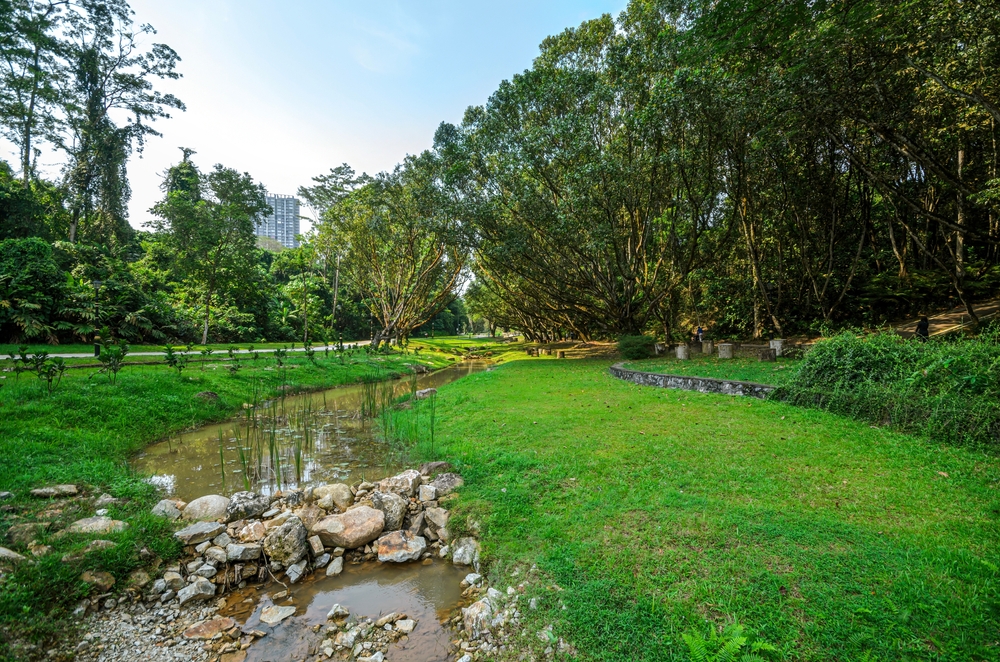
Taman Tasik Permaisuri, Cheras. (Shutterstock)
Plant blindness, or plant awareness disparity, means we often fail to notice plants, underestimate their importance, and think they are less interesting compared to animals. But in reality, plants are the foundation of life on Earth. Without them, neither humans nor animals can survive.
There are several reasons why people tend to “overlook” plants:
- Plants do not move (much!): Unlike animals that run, fly, or make sounds, plants stay still. Because they don’t move dramatically, our brains tend to ignore them.
- Our eyes are trained to notice animals first: Humans are naturally more alert to movement and faces. This makes animals more “attention-grabbing” in our daily environment.
- We learn more about animals in school: In many classrooms, students learn more about animals than plants. This creates an imbalance in how we understand living things.
- Fewer connections in daily life: In cities, children may see fewer forests, farms, or gardens. With less direct contact, plants feel less familiar.
Despite being overlooked, plants are fundamental to our survival and the health of the planet. They produce oxygen, provide food, regulate climate, and support entire ecosystems.
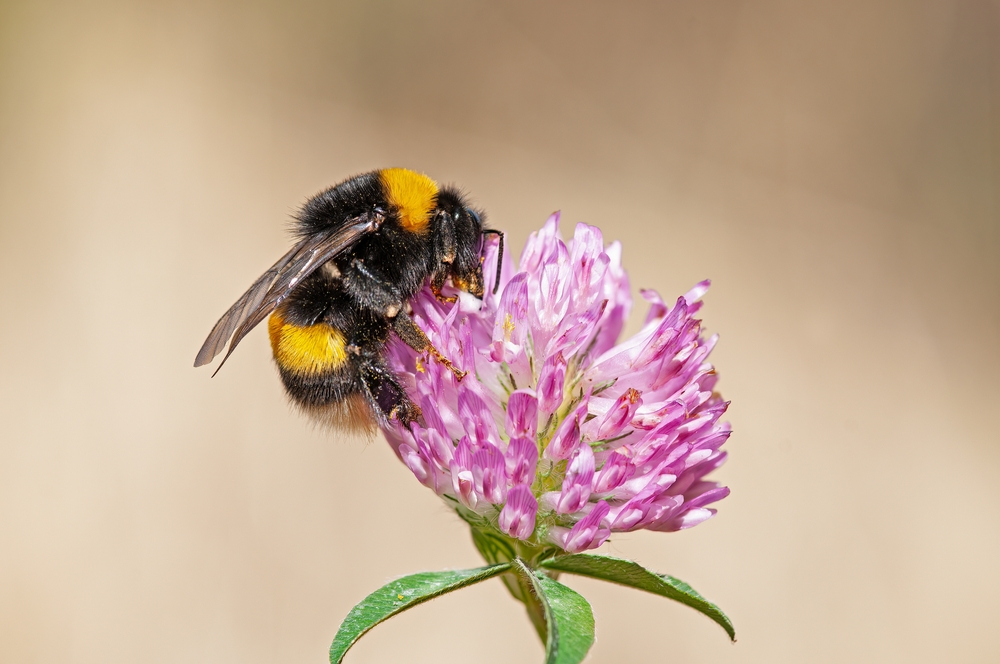
Common Carder Bumble bee (Bombus pascuorum) feeding on a pink clover flower. (Shutterstock)
Plants are also closely connected to animals. For example, bees and butterflies rely on flowers for nectar, and many animals depend on plants for shelter and food.
When we fail to recognise the importance of plants, it can affect how we respond to environmental challenges such as biodiversity loss and climate change. If people do not notice plants, they are less likely to protect them.
Plant blindness has important consequences for education and sustainability.
When children grow up without understanding plants, they may develop weaker connections to nature and a limited awareness of environmental issues. This can make it more difficult to build a generation that values and protects the environment.
For teachers and communities, addressing plant blindness is therefore an important step toward strengthening environmental literacy and sustainability awareness.
Reconnect with them!
The good news is that plant blindness can be reduced through simple and meaningful actions. Some of the activities that can be done are described below:
- We can make a meaningful difference by encouraging children to spend time outdoors, observe plants closely, and learn their names.
Activities such as gardening, nature walks, and exploring local environments help build stronger connections with plant life.
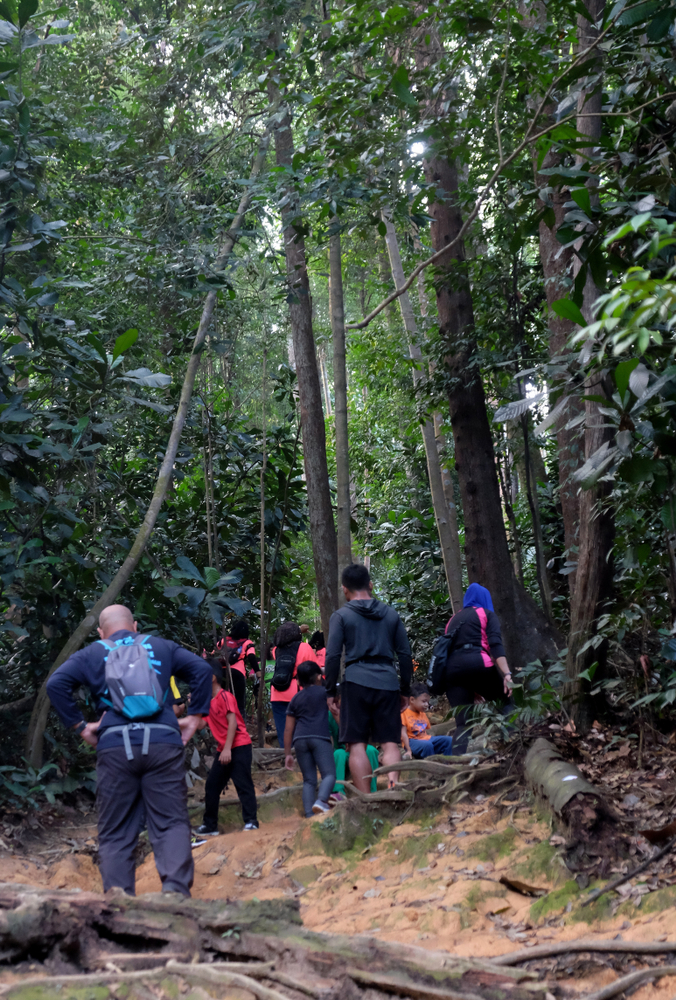
Hiking around the vicinity of Wawasan Hill. (Shutterstock)
- Integrating nature-based learning (“learning about, in, with, and for nature”) to support deeper understanding and appreciation.
Digital tools, such as plant identification apps, can further engage children and make learning interactive and enjoyable.
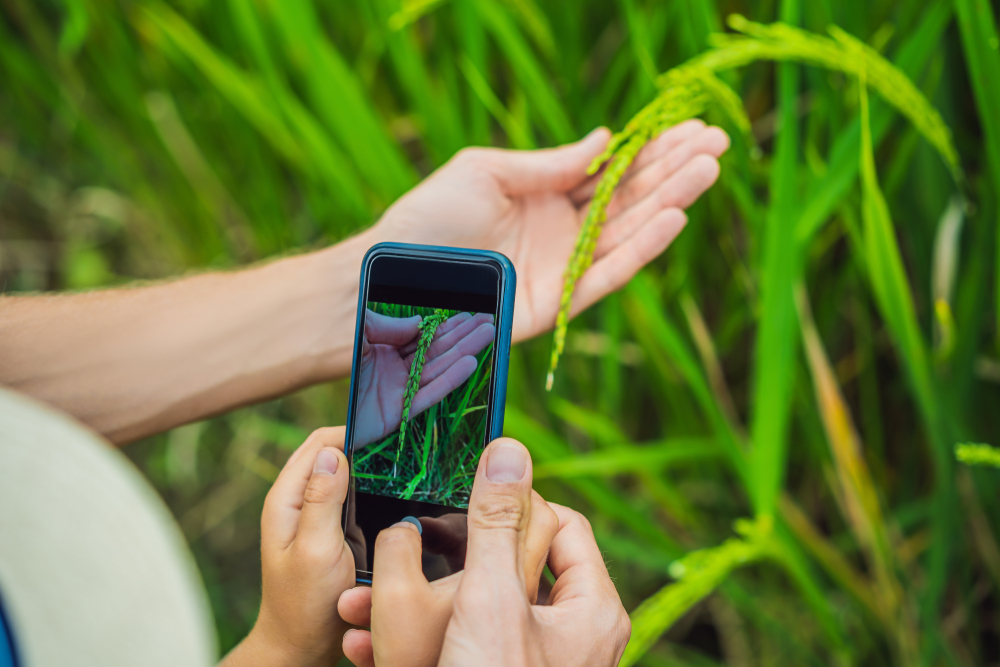
Identifying plants with apps, such as iNaturalist. (Shutterstock)
- Community involvement can help “give names” to the plants around the neighbourhood. Small plants such as herbs and spices deserve a name tag, too!
This simple act of labelling helps children and adults notice, recognise, and remember plant species in their everyday surroundings. It also fosters a shared sense of care and belonging, as communities begin to value the plants not just as background greenery, but as living, meaningful parts of their environment.
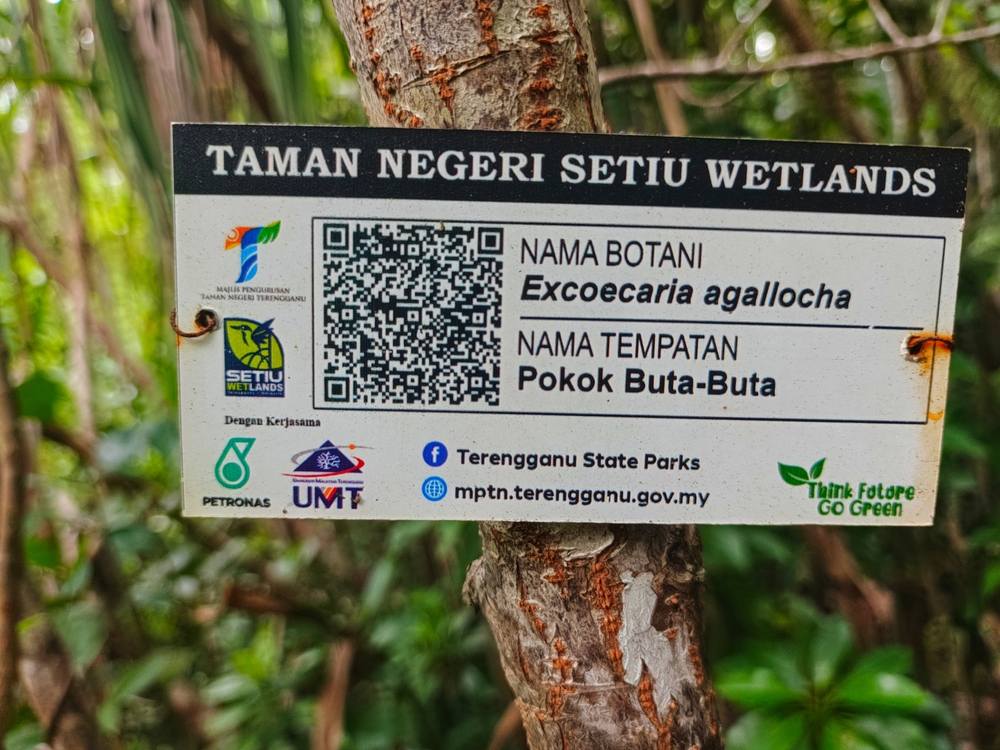
Informational signboard of Pokok Buta-Buta (Excoecaria agallocha) in Setiu Wetlands, Terengganu. (Shutterstock)
Let us start now to notice more and name what we see. When we begin to recognise the plants around us, we begin to care, and when we care, we are more likely to protect our planet.
When we nurture children’s awareness and appreciation of plants, we inspire them to value, respect, and safeguard the natural world for the future.
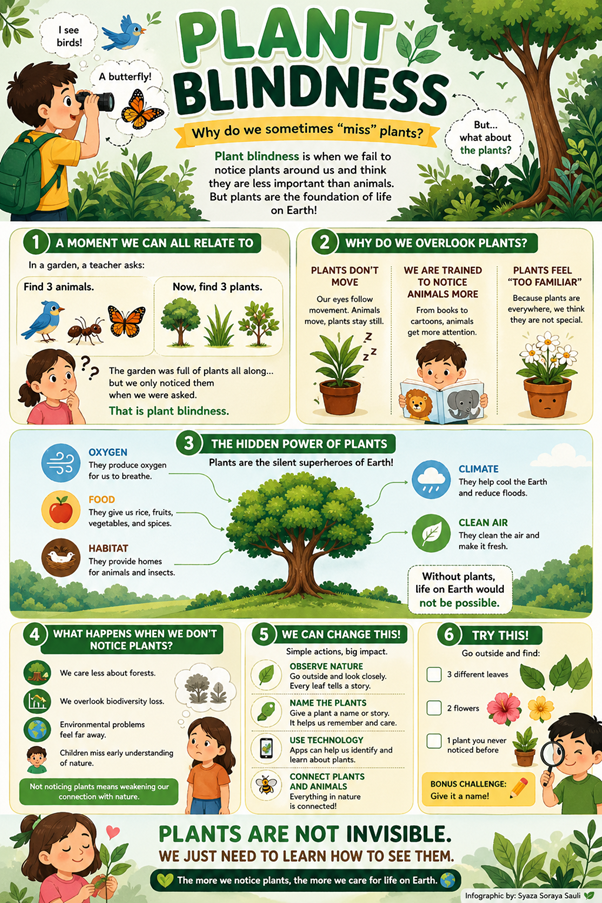
This content was generated using AI.
Prepared by:
Syaza Soraya Sauli