Have you ever spotted a tiny, red beetle with black spots crawling on a leaf? While they look cute and harmless, ladybugs are actually one of nature’s most powerful “secret agents”. They aren’t just pretty to look at: they have a massive job: protecting our food and the planet.
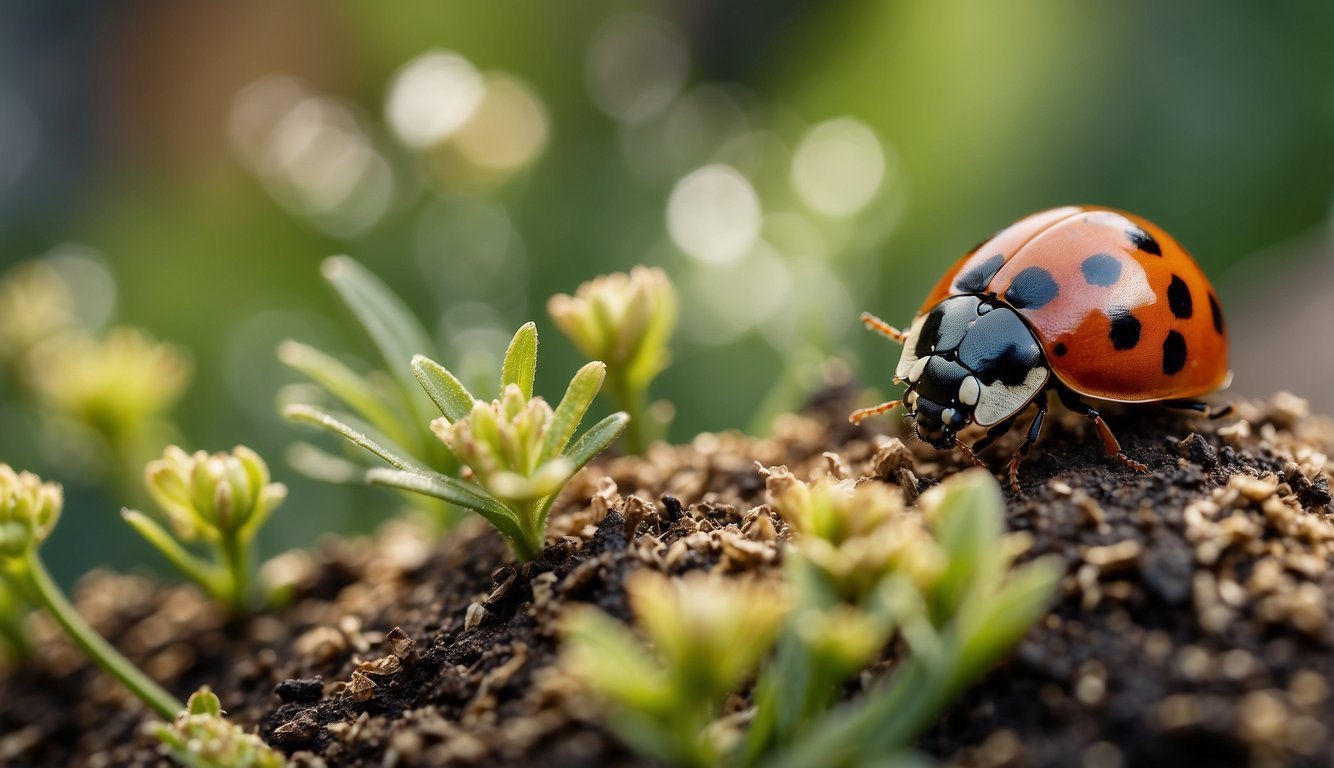
Ladybugs are one of nature’s pesticide. (Eco Living Journey)
Why are Ladybugs “Tiny Heroes”?
In the world of farming and gardening, ladybugs are known as helpful insects. Their main mission is to hunt down aphids.
The Enemy: Aphids are tiny insects that suck sap from plants, weakening and sickening them.
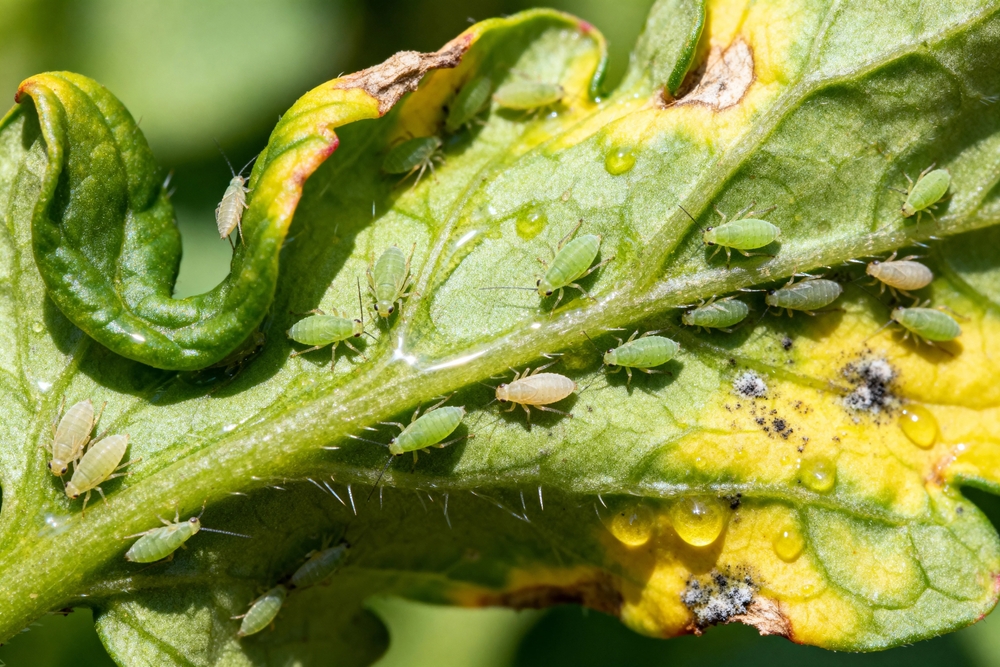
Aphids. (Shutterstock)
The Hero: One single ladybug can eat up to 50 aphids in just one day!
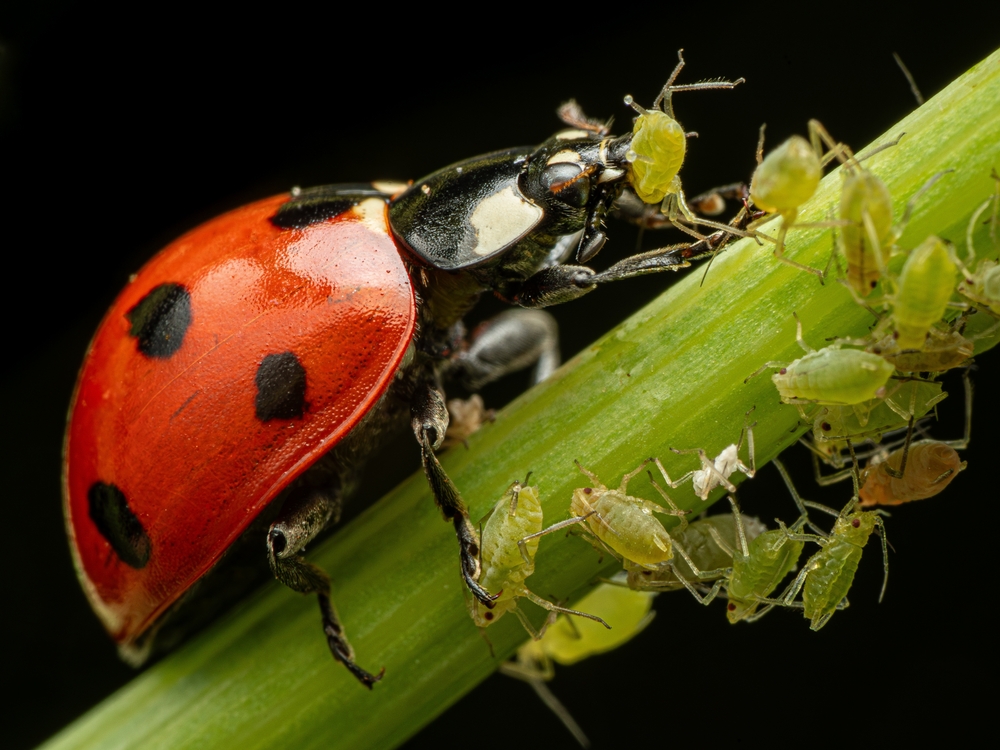
Here comes a ladybug to the rescue! (Shutterstock)
The Result: Because ladybugs do the “dirty work”, gardeners don’t need many chemical sprays (pesticides), which can be harmful to humans and other animals.
The Great’ Interdependence’
When we study ladybugs, we see a perfect example of interdependence. This word is a fancy way of saying that living things rely on each other to survive.
- The plant provides a home and food (in the form of pests) for the ladybugs.
- Ladybugs protect the plants so they can grow strong.
Farming with Nature
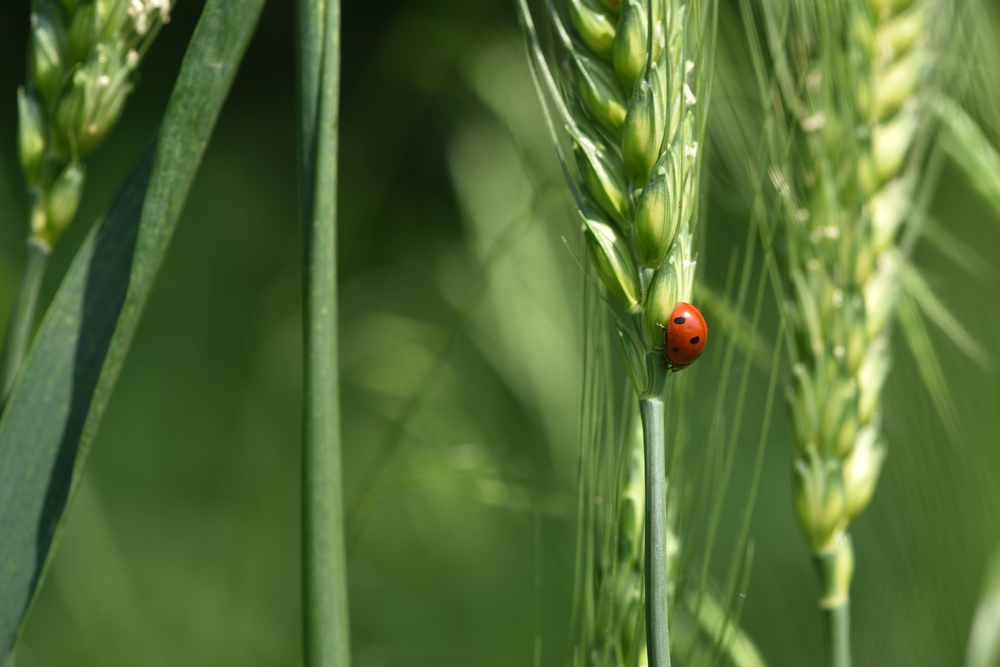
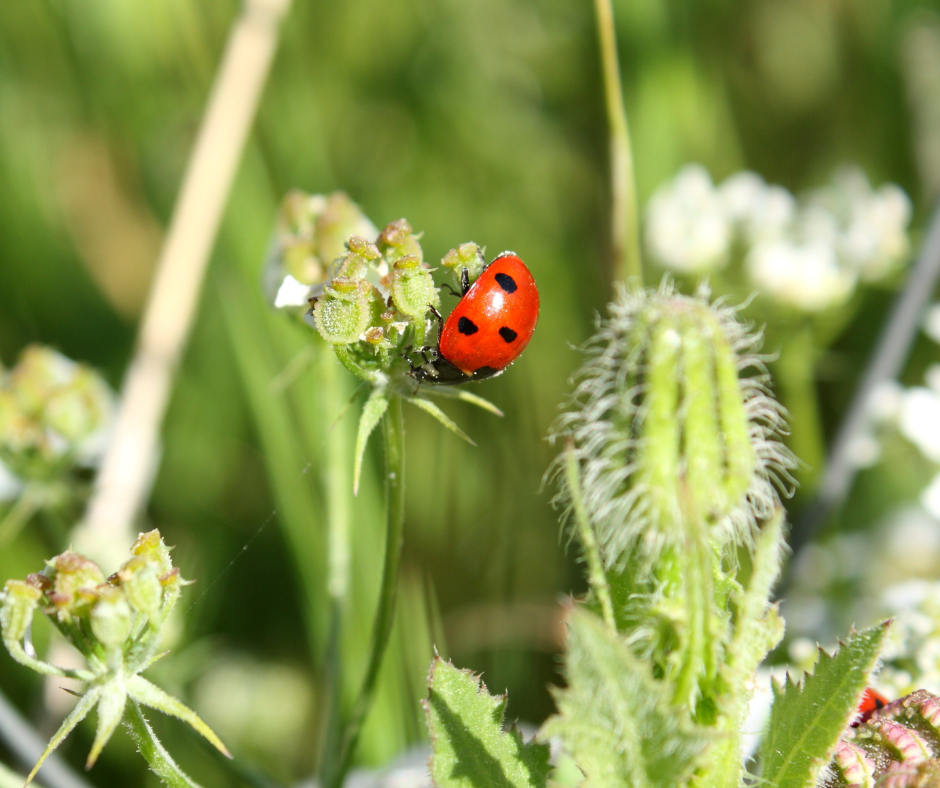
Ladybug can help curb the destructive aphid population in a wheat field. (Shutterstock)
Farmers today use a smart approach called Integrated Pest Management. Instead of reaching for a bottle of chemicals, they “hire” ladybugs to guard their crops. This way, we can farm for healthy food while keeping the Earth clean.
It’s a reminder that even the smallest creatures can make a difference.
Classroom Mission: Ladybug Science Tracker
Are you ready to start your own rescue mission? Follow these steps to see how nature works in your own backyard!
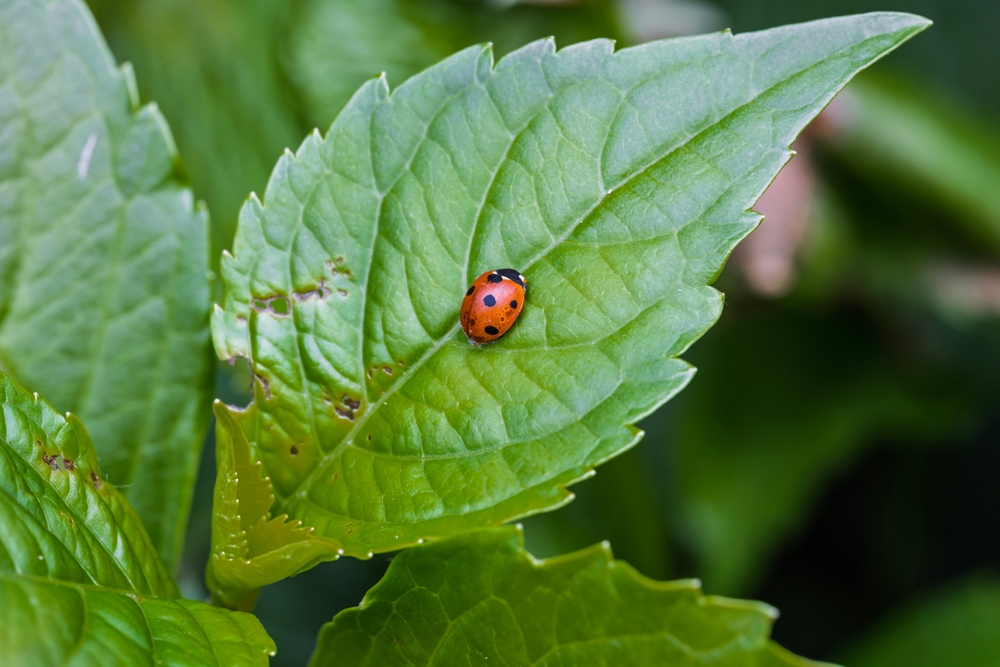
Your Goal: To observe how ladybugs interact with plants and predict their impact.
Find a Target: Pick a plant in your garden, schoolyard, or even a potted plant indoors.
- Investigate: Look closely at the leaves. Do you see any tiny green or black bugs (aphids)? Draw or describe what you see.
- The mission: Imagine you release five ladybugs onto that plant.
- Predict: What do you think the plant will look like in one week? Write down your “scientific prediction”.
- Report: Share your findings with your friends or classmates!
Prepared by: