Are you not interested in the common careers everyone pursues? Want to be a pioneer in a futuristic field that will have great demand in the future? How about becoming a food futurologist?
The food industry has a vast supply chain with many players, spanning seed development, farming, harvesting, processing, manufacturing, value addition, and the creation of novel foods.
The industry requires skilled talent from various STEM and non-STEM fields. A food futurologist has a science and non-science background, making the job exciting and non-routine.
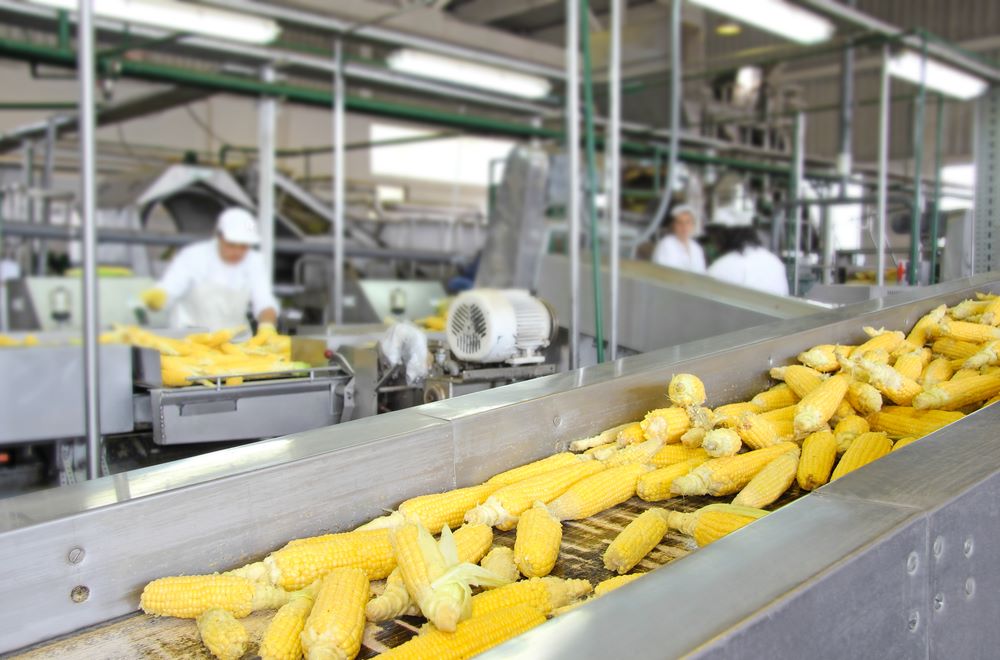
Food futurologists play a part in shaping the future of what we eat and how we consume it.
Before understanding what a food futurologist does, let us look at the food industry.
It is a sector that will never die off but will continue to evolve. It requires continuous injection of technology and new ideas.
Food production must increase by 70% by 2050, according to the Food and Agriculture Organisation (FAO).
Given the shrinking of natural resources such as arable land and freshwater, climate change, emerging plant pests and diseases, and ageing farmers, this challenge might prove daunting.
Consumer behaviour towards food is also changing. Many want a story behind their food, not simply food produced on large-scale farms or in factories.
Cottage-farmed, home-based food preparation using traditional, family-owned recipes appeals to modern consumers.
There are also many types of diets, such as:
- Vegan (no meat or any animal products)
- Keto (high protein and fat, and low carbohydrate)
- Paleo (meat, seafood, fruits, vegetables, nuts and seeds (similar to hunting and gathering)
- Lactovegetarian (vegan who consumes dairy products)
- Ovo-vegetarian (vegan who consumes eggs)
- Pescetarian (consumes seafood, eggs and dairy products) among many others.
There are also diets for special needs, such as athletes, seniors, patients with certain health conditions, and children.
Food is a complex topic. It involves taste, nutrition, aesthetics, culture, history, health conditions, the economy, personal preferences, marketing, fads and myths, and many other factors.
Here are food futurologists who examine food from all these perspectives. They predict the future of the food industry and foods based on all the above factors and more.
Food companies consult them to improve their products, and seek their ideas to develop new foods, flavours and ingredients.
They also help improve packaging to make it more appealing to consumers.
Many food futurologists seek to write reports on food industry trends and policy papers to help governments produce enough food and the right foods.
Food futurologists are often prominent speakers at universities, in corporate settings, and on TV and radio shows.
Food futurologists must keep themselves up to date with current technologies in the food industry.
For example, mushrooms, seaweed, and algae are the forefront ingredients in the food industry and are gaining both popularity and demand. Insect-based protein is another novel food.
Technologies like genetic modification and gene editing are inevitable in the food industry.
How will they be deployed and accepted by both the consumers and policymakers?
Food futurologists will track these trends and provide insights to relevant stakeholders.
Artificial intelligence (AI) is another technology that will change how food is produced.
AI will be used to improve food packaging, sort food by grade, manage the entire supply chain, control quality, and study consumer preferences.
Food futurologists follow these trends to provide appropriate advice to their clients.
Food futurologists can also predict what we will eat and how our diets will change over the next ten years.
This knowledge will help their clients start developing future products and stay in business.
Food futurologists also help predict whether technologies will stay the same, change, or require new technologies.
This knowledge helps scientists develop new technologies.
Their predictions also influence investors on which research and technology to invest in, so profits can be reaped.
Food futurologists are influential and key partners to many players in the food industry.
Does a food futurologist sound like an interesting career?