Genetics often refers to genes, inheritance, or the genetic code, which is deoxyribonucleic acid (DNA).
Many people may not realise they are talking about genetics when they blame genes for traits like obesity, intelligence quotient (IQ), or physical appearance, attributing these characteristics to the genes they inherited from their parents. Sound familiar?
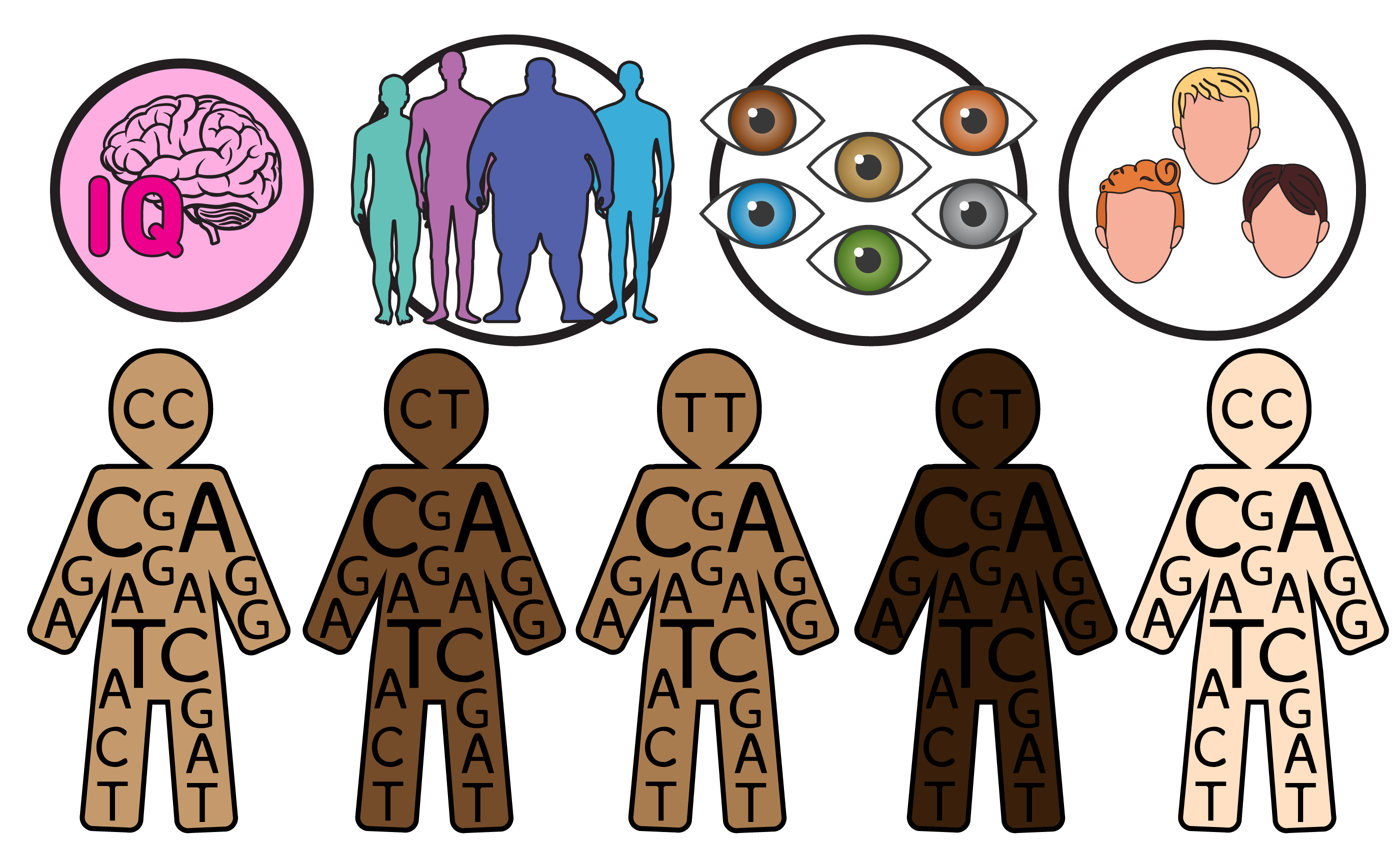
DNA is a major component of genetics and also a blueprint of life. It comprises random base sequences, namely A (adenine), T (thymine), C (cytosine) and G (guanine), found in every single cell in the human body.
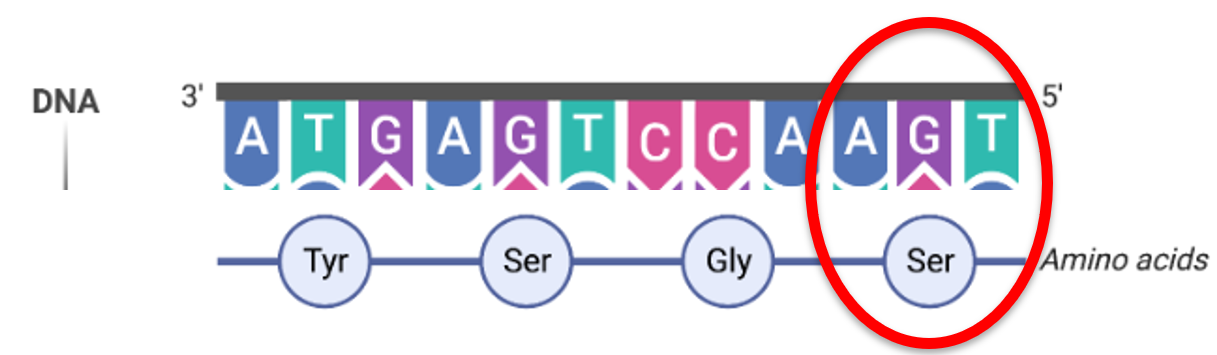
When these random base sequences are in a triplet arrangement (codons), for example, the combination of adenine, guanine, and thymine (AGT) forms one of the 20 types of amino acids (serine), which serves as the building block of protein (as shown below).
DNA contains genes that shape your traits, such as eye colour, hair colour and tongue-rolling ability. These genes are either activated (“on”) or deactivated (“off”) by a process known as gene regulation.
Even though every cell contains the same set of genes, not all are always expressed. Genetics overlapping with the environment gives birth to a ‘new’ genetics that shapes us today –epigenetics. The prefix “epi-” means “on top of” genetics.
Epigenetics is the study of chemical reactions and the factors that influence them. It occurs throughout a human’s lifespan.
During this time, we are exposed to environmental factors that trigger biological changes by epigenetic marks without altering the DNA sequence.
With the presence of an epigenome (a collection of epigenetic marks), the type of genes expressed determines the types of human cells, such as red blood cells, bone cells, fat cells, muscle cells, nerve cells and other types of human cells, each with its specific function.
Epigenetic marks make a gene easier or harder to read, and subsequently determine whether to switch it “on” or “off.” These epigenetic marks can be passed down from parents to children.
Environmental factors that trigger epigenetic marks include:
- The developmental and environmental conditions one experiences.
- The dietary intake, supplements or chemicals one consumes or encounters.
- The habits and practices one adopts in one’s lifestyle.
DEVELOPMENTAL AND ENVIRONMENTAL
During development, everyone undergoes different kinds of experiences (such as a supportive life, opportunities for learning, a stressful life, and traumatic experiences) that leave a series of epigenetic marks (the epigenome).
These experiences, which occur right before and after birth, can trigger biological changes that alter gene expression using “our” unique set of genes during childhood and into adulthood, potentially lasting a lifetime.
This explains why a twin pair can exhibit different behaviours, skills, health, and achievements due to their distinct epigenomic signature sets.
This epigenome can be temporary or permanent, and it can be restored later through positive experiences.
Therefore, it is crucial to instil positive experiences in children as early as possible, as the brain is actively developing at that time and can shape the signature epigenome that switches “on” genetic potential to the fullest.
DIETARY INTAKE, SUPPLEMENTS AND CHEMICALS

Our food or supplements are processed into smaller products that our bodies can use.
For instance, the methyl group (CH3) can be derived from either folic acid or vitamin B and can be added to our DNA sequence (a process known as DNA methylation).
Foods rich in folic acid (vitamin B) include dark-green leafy vegetables, such as watercress and curly kale, iron-fortified cereals or bread, brown rice, pulses and beans, nuts and seeds, white and red meat, fish, and tofu.
Children of overweight or obese parents are more likely to gain weight and have a higher risk of obesity.
Beyond genetic factors, epigenetics can further explain one’s susceptibility to weight gain.
Epigenetic marks on weight-control genes differentiate lean and obese people. Natural anti-obesity products could help reverse the effects through specific epigenetic events.
Studies have found that a methyl-rich diet can reverse these harmful epigenetic events.
A mother’s diet during pregnancy is important in shaping the child’s epigenome, which has long-lasting effects on the ability to overcome harmful epigenetic events.
In essence, our identity is shaped not only by our dietary choices but also by our parents.
LIFESTYLES
Why do certain individuals become addicted to specific recreational drugs?
Engaging in activities like opiate, cocaine, heroin, cannabis smoking, and alcohol consumption can induce alterations in gene expression and function through epigenetic changes.

For instance, tobacco smoke exposure can imprint epigenetic marks on DNA sequences, boosting the production of proteins associated with addiction.
This, in turn, heightens the inclination toward drug-seeking behaviours in their future children and subsequent generations.
Moreover, alcohol consumption during teenage years can trigger prompt epigenetic modifications that alter brain function, leading to enduring effects on adult brain function and an increased susceptibility to alcohol addiction.
CONCLUSION
Recognising that genetic inheritance is only part of the picture is important.
Environmental factors play a crucial role in shaping our epigenomes, ultimately influencing our health outcomes and genetic makeup.
Ultimately, the choice lies with individuals regarding the genetic legacy they want for themselves and their offspring.
Emphasising the significance of lifestyle choices and environmental factors, adopting healthy habits is essential rather than solely attributing outcomes to inherited genes.