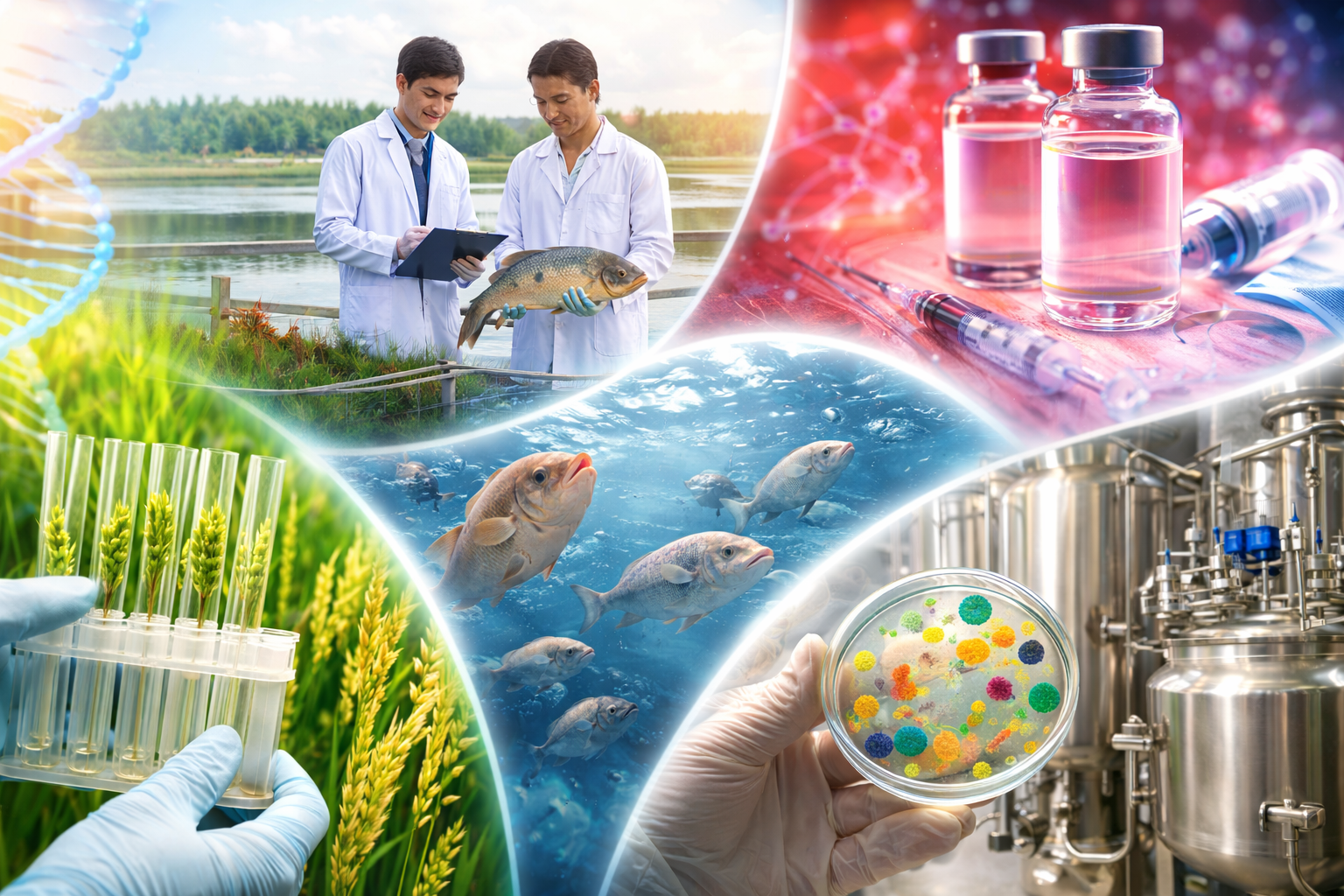
From genetically modified organisms (GMOs) to cutting-edge medical treatments, biotechnology has moved beyond the long hours of laborious experimentation to a range of on-site applications.
In Malaysia, biotechnology began to attract the attention of local scientists and researchers in the late 1980s. It gained serious momentum with the launch of the National Biotechnology Policy in 2005.
Despite its many tangible achievements, biotechnology still walks a fine line between established reality and visionary ambition, raising critical questions about its potential and limits.
Biotechnology refers to the use of biological systems or living organisms to develop products and technologies for human benefit, or in simpler terms, “making use of living things to produce something beneficial for mankind”. It can be broadly categorised into four specific areas, namely:
- Agricultural biotechnology (green biotechnology)
- Health & medicinal biotechnology (red biotechnology)
- Ocean & coastal ecosystems biotechnology (blue biotechnology)
- Industrial & environmental biotechnology (white biotechnology)
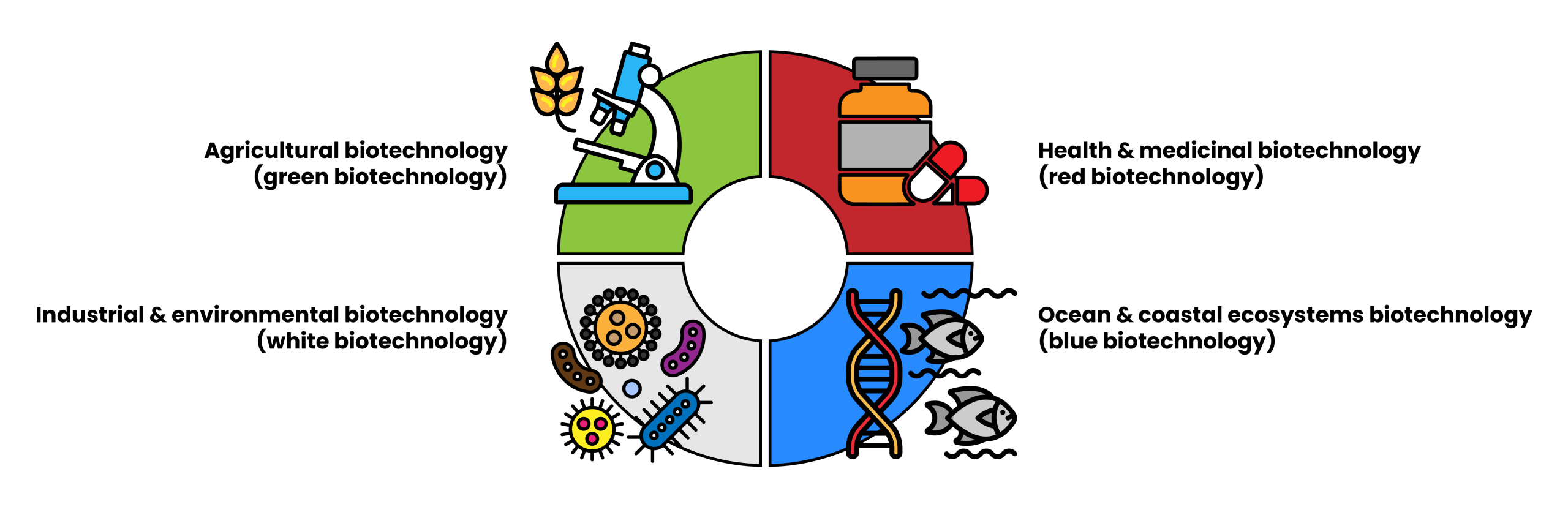
(Created with Shutterstock)
Green Biotechnology
Green biotechnology is one of the earliest known applications of biotechnology. Fermenting foods such as tempeh (fermented soybeans), tapai (fermented glutinous rice), and kimchi (fermented vegetables, mostly cabbage) is among the earliest forms of biotechnology.
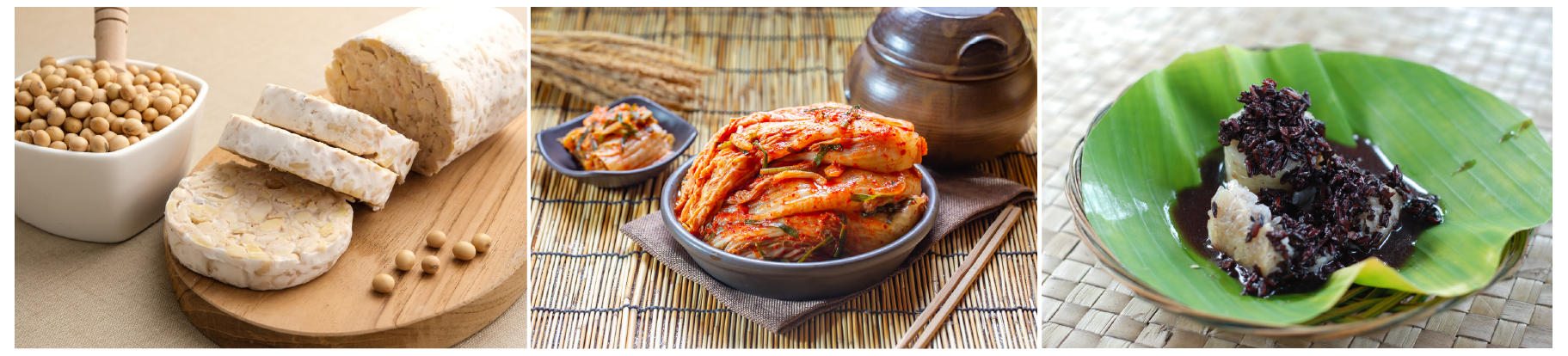
(Created with Shutterstock)
In field applications, gene modification can be used to ensure that all plant seeds contain specific disease-resistant traits prior to the germination stage.
Apart from this, plant resistance to pest infestations can be enhanced by using biodegradable pesticides.
The incorporation of microbial biofertilisers during plant growth can help reduce reliance on chemical fertilisers.
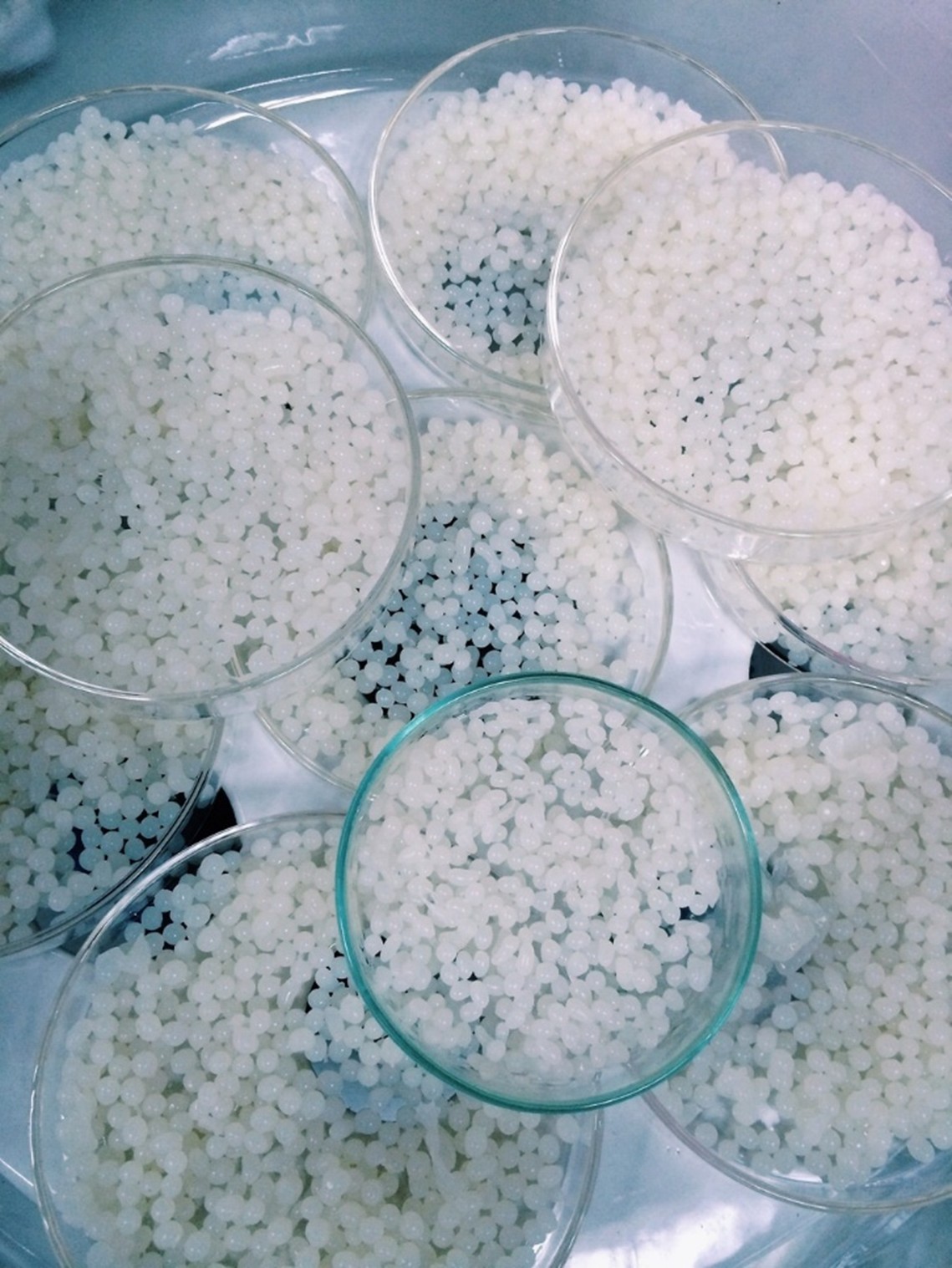
(The author retains full copyright of the image)
The picture showed freshly prepared calcium-alginate beads containing the metal-reducing enzyme extracted from a heavy-metal-resistant bacterium (a small, single-celled microorganism).
In normal circumstances, bacteria cannot live in a heavy-metal-filled environment. However, certain bacteria can neutralise the toxicity of heavy metals, primarily through the presence of metal-reducing enzymes.
Scientists can use this unique feature to develop a biotechnological solution for various applications, such as treating heavy-metal-containing landfill leachates or industrial discharges.
Blue Biotechnology
Malaysia has placed great emphasis on preserving and restoring the quality of its marine and coastal ecosystems. One potential threat to these ecosystems is the introduction of invasive fish species, notably from aquaculture activities.
Farmed fish are often genetically distinct from wild populations, raising concerns about genetic contamination.
Blue biotechnology could address this issue by introducing targeted reproductive growth control measures through the manipulation of key hormonal genes in fish.
This move would allow a sustainable supply of fish (by reducing the risk of early maturation), maximising growth rates and improving marketability.
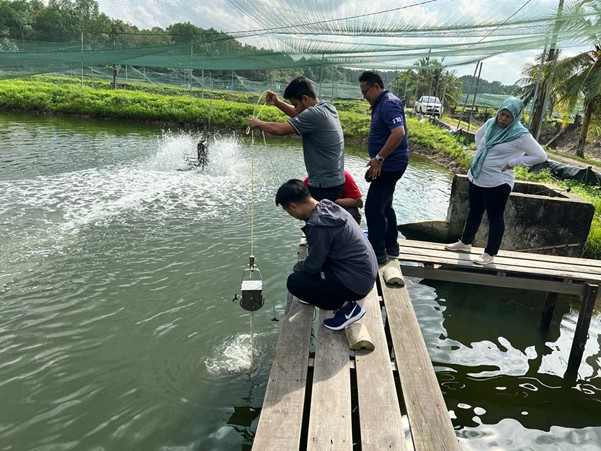
(The author retains full copyright of the image)
The photo above shows a team of scientists taking sediment samples from a fish-breeding pond. Different types of bacteria inhabit different environments.
In this photo, the scientists were trying to isolate a single bacterium (Pseudomonas sp.) from the sludge.
This particular bacterium is known to produce polyhydroxyalkanoates (PHA) which can be further utilised to produce bioplastics.
Red Biotechnology and White Biotechnology
The medical and health-related sectors (also known as red biotechnology) have made remarkable strides.
Recombinant insulin (a crucial hormone in the human body that regulates blood sugar levels; its deficiency can lead to diabetes) was once sourced from pigs and cows and is now manufactured using genetically engineered bacteria.
Vaccines, including the ground-breaking mRNA COVID-19 vaccines, are just one example of a long list of products stemming from biotechnological research.
Similarly, for white biotechnology (industrial & environmental biotechnology), where microorganisms are utilised to produce useful consumer products, such as in the bakery industry, as well as to assist in clean-up processes for contaminated environments.
One example for the actual application of white biotechnology is the study by a group of local biotechnologists located in Universiti Teknologi Malaysia (UTM) Johor Bahru on the feasibility of using bacteria for the treatment of toxic chemicals present in industrial wastewater.
In this study, a locally isolated bacterial strain showed a remarkable ability to survive in the presence of the highly toxic hexavalent chromium.
This ability was possible because bacteria not only resist the toxicity but also reduce toxic hexavalent chromium to the less toxic trivalent form.
For the record, the study was the first biotechnological project to be sponsored by MOSTI through the Technofund grant.
Challenges, Outlook and Conclusion
Nevertheless, cutting-edge biotechnology is sometimes still perceived as an efficient but expensive alternative that benefits wealthier nations and corporations.
Moreover, public perception of biotechnology is shaped not only by its successes but also by misinformation and fear. Science communication struggles to keep up with the rapid pace of discovery, leading to the previously huge public resistance against GMOs, vaccines, and gene editing.
To ensure that biotechnology is embraced responsibly, continuous public engagement, education and transparent regulation are crucial.
In conclusion, biotechnology continues to invite intense discussion. However, tangible impacts of biotechnology on food security, health, and cleaner industrial production would more than justify its real-world significance.
It is essential to approach biotechnology not as a mere scientist’s fantasy, but as a powerful tool for the shared benefits of humanity.
Prepared by:
Associate Professor Dr Zainul Akmar Zakaria
Department of Bioprocess Engineering and Polymer
Faculty of Chemical and Energy Engineering
Note: The featured image used for this article was generated using AI.