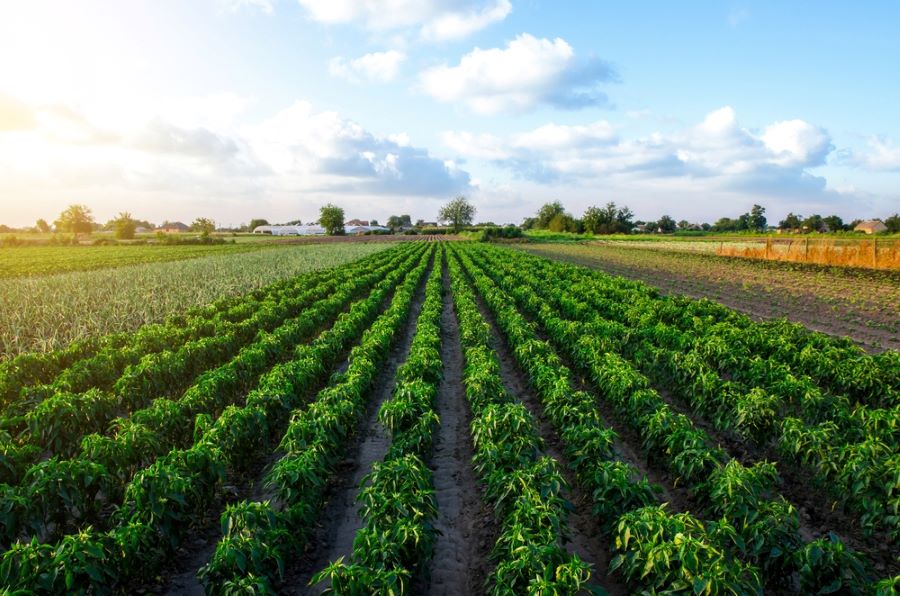
Intensifying traditional agriculture often relies on deforestation and ecosystem degradation, jeopardising our resources for long-term food security.
We need to improve how we grow food to ensure everyone has enough to eat while protecting the environment.
The Food and Agriculture Organisation (FAO) estimates that by 2050, food production will need to increase by 60% to adequately feed a projected global population of 9.3 billion.
Meeting this demand requires innovative approaches in agriculture. One such approach is conservation agriculture, a sustainable production system built on three core principles: minimal soil disturbance, maintenance of soil cover, and crop rotation.
The primary goals of conservation agriculture are to improve soil health, increase biodiversity, and promote efficient water use.
Also known as no-till farming, this practice involves reducing mechanical soil disruption to preserve soil structure and porosity, enhance organic matter, and reduce erosion while saving fuel, time, and labour resources.
Soil surfaces are covered essentially to maintain moisture and prevent erosion. Cover crops (like legumes and grasses) fix nitrogen in the soil and suppress weeds; crop residues (like mulch) decompose, returning organic matter to the soil and improving fertility and structure.
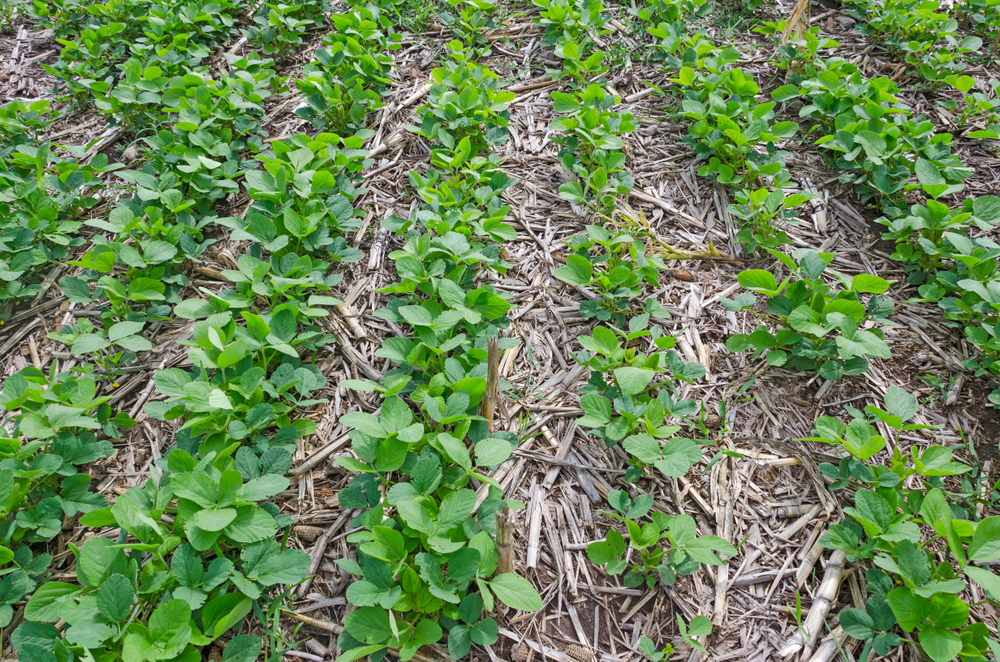
Mulch in between soybean crop will decompose and return organic matter to the soil.
On the other hand, crop rotation involves strategically planting different types of crops in the same field over a sequence of growing seasons.
Rotating crops ensures the soil isn’t depleted of specific nutrients by a single crop species.
For example, legumes like soybeans fix nitrogen in the soil, enriching it for subsequent crops that require this crucial element.
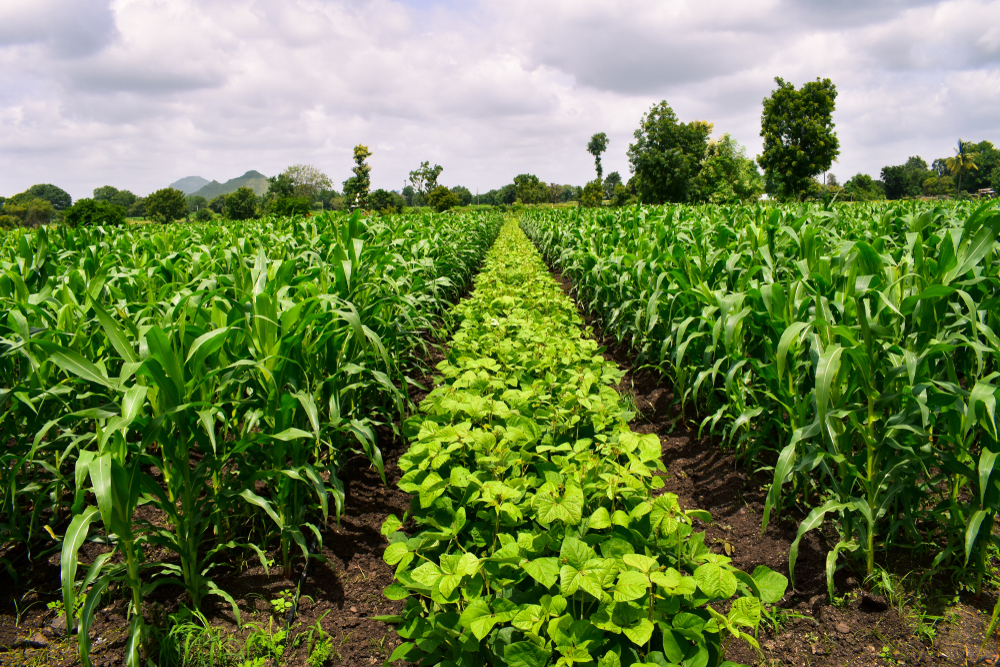
Growing crops such as corn and mung beans ensures the soil isn’t depleted of specific nutrients by a single crop species.
In summary, conservation agriculture helps improve the productivity and resilience of agricultural systems and reduce their environmental impact.
Another method to sustainably intensify agriculture while minimising its environmental impact is agroforestry.
Agroforestry combines trees with crops or animals on the same land, creating benefits for the environment and the economy.
For example, planting trees in rows alongside crops can provide shade and protect the soil.
Agroforestry systems can take various forms, such as alley cropping, silvopasture, windbreaks, and forest farming, tailored to local ecological conditions and socioeconomic needs and contribute to various ecosystem services.
Alley cropping involves planting rows of trees alongside crops, providing shade and soil protection.
At the same time, silvopasture integrates trees, forage, and livestock, improving soil health and animal welfare by providing shade to prevent heat stress.
Windbreaks, conversely, consist of trees or shrubs planted along field edges to protect crops from wind damage.
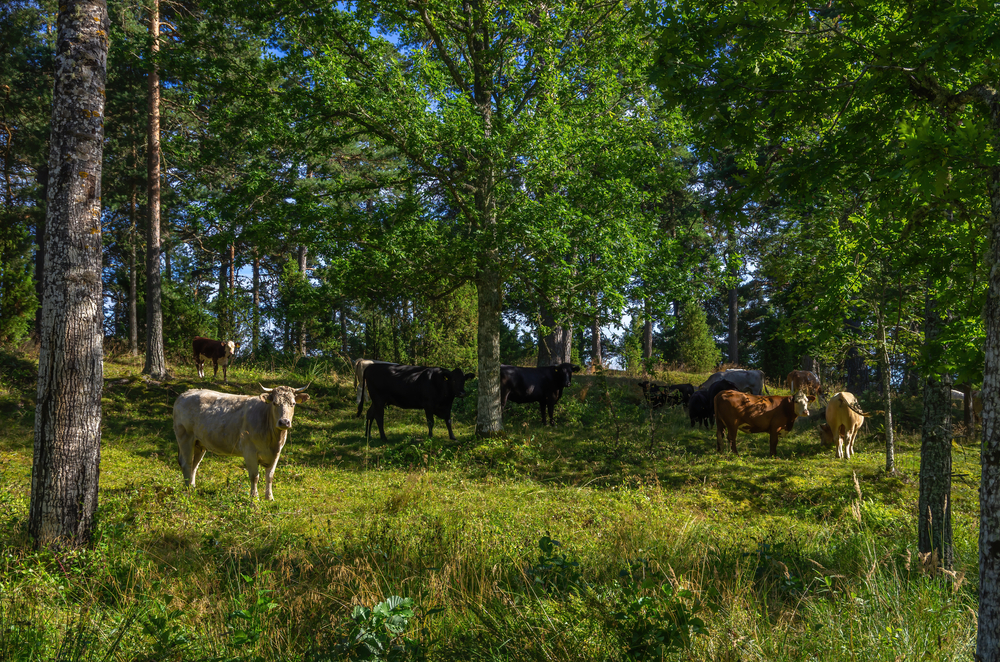
Silvopasture exemplified by grazing cattle in a grove at Lake Vänern, Sweden.
Agroforestry systems have been shown to improve land and water use efficiency, enhance nutrient cycling, maintain soil physicochemical properties, and ensure stable yields compared to conventional monoculture farming.
Agroforestry systems have been recognised for helping to manage land sustainably and to fight climate change.
Integrated farming is a form of farming that mixes different activities like fish farming, raising animals, and silkworm cultivation.
It uses smart methods to make the best use of resources, recycle waste, and get the most out of what goes into the farm.
This approach helps farmers diversify their income and use everything more efficiently.
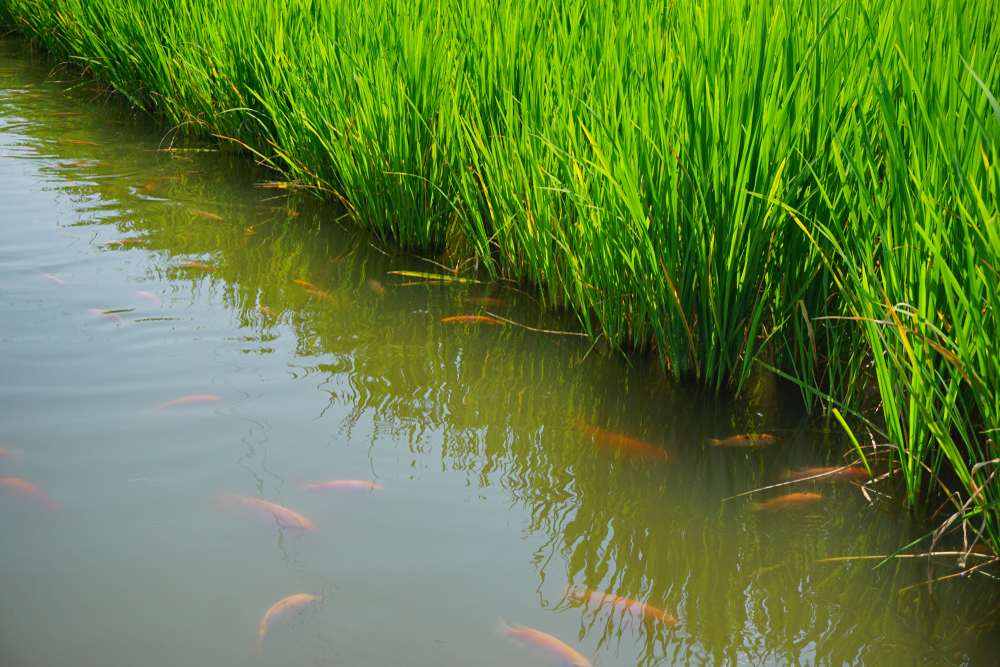
The practise of Mina Padi in Indonesia, where fish is raised alongside rice crops, increases productivity and profitability.
This method can create a synergistic environment where the waste from one component becomes a resource for another.
For example, livestock manure can be composted to provide fertiliser for crops, and fish can be raised in ponds alongside crops, with pond water used for irrigation and fish waste feeding the plants.
In Malaysia, rice cultivation integration with fish farming can be increased.
This practice could also improve water quality by reducing the need for chemical fertilisers and pesticides, leading to healthier ecosystems and reduced environmental pollution.
Organic farming focuses on using natural methods to grow plants and raise animals.
It avoids chemicals and genetically modified crops, instead using crop rotation and combining fish farming with plant farming.
This approach is different from conventional farming, which often uses synthetic fertilisers and pesticides that can harm the environment and might be bad for our health.
Although organic farming provides many environmental and health benefits, it faces challenges in scaling up for large-scale agricultural production.
Smallholder farms may gain advantages from closer ties to local markets and the premium prices of organic products.
However, large-scale agriculture often depends on high mechanisation, consistency, and efficiency to meet global food demands.
Therefore, combining organic and conventional farming methods strategically offers greater potential to enhance sustainable productivity in global agriculture.
Climate-smart agriculture (CSA) is an innovative farming approach that addresses climate change while increasing crop yields, strengthening farm resilience, and protecting the environment.
It combines different practices tailored to local needs, such as planting trees alongside crops, conserving soil, diversifying crop types, managing water more efficiently, and using crop varieties that can tolerate harsh weather conditions.
Other methods, such as improved livestock and manure management or cover cropping, help reduce greenhouse gas emissions and store carbon in the soil, thereby removing CO₂ from the atmosphere.
Precision farming plays a key role in CSA by using advanced technologies such as Geographic Information Systems (GIS), Global Positioning Systems (GPS), sensors, and data analytics.
These tools allow farmers to apply inputs such as water, fertiliser, and pesticides more accurately, using real-time information on soil health, crop growth, and weather patterns.
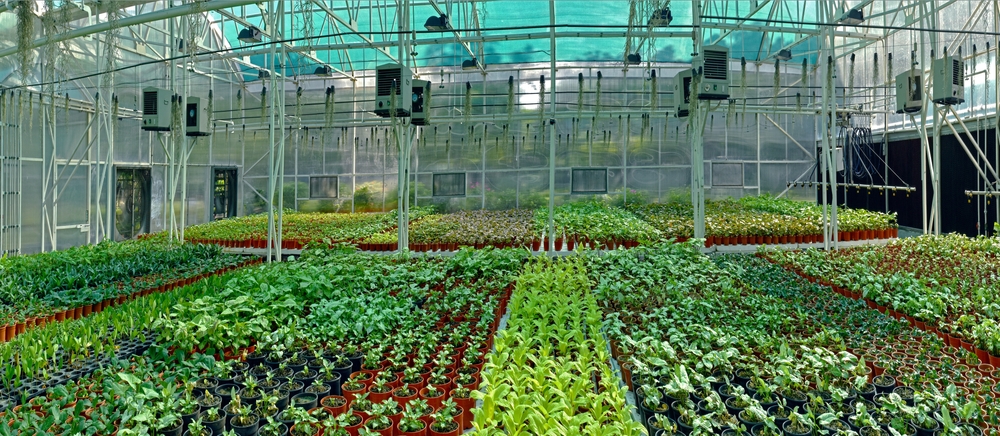
Precision farming utilises advanced technologies to precisely apply agricultural inputs based on real-time data on nutrient levels, crop health, soil conditions, and weather patterns.
Precision farming helps farmers adapt to changing climate conditions such as shifting rainfall patterns, water shortages, and extreme weather events.
It also reduces waste and environmental impact by using resources more efficiently.
In addition, the use of advanced technology in crop production supports Climate-Smart Agriculture (CSA).
Crops can be engineered with traits like drought tolerance, pest resistance, and higher nutrient content, making them more resilient to climate change.
Finally, improving food distribution across the entire value chain is essential.
By adopting better post-harvest technologies, we can significantly reduce food loss — currently estimated at 14% of global production between harvest and retail.
Food losses predominantly occur in developing countries due to various factors such as inadequate infrastructure, lack of access to modern technologies, poor post-harvest handling practices, and insufficient investments in the agricultural value chain.
Investing in proper packaging and storage facilities, such as warehouses and cold-chain infrastructure, helps protect harvested crops from pests, spoilage, and environmental factors, extending their shelf life and reducing post-harvest losses.
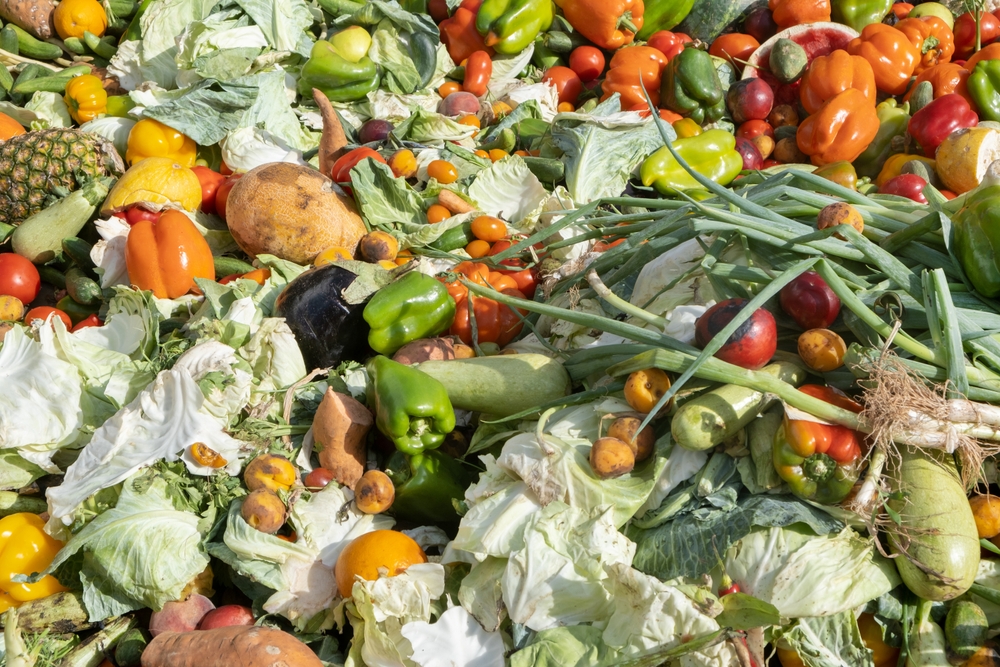
Food losses predominantly occur in developing countries due to various factors.
In conclusion, feeding the world’s population sustainably requires smart farming methods and better food distribution systems.
The approaches discussed above can boost productivity, strengthen resilience, and protect the environment. Precision farming and genetically modified crops also help us use resources wisely and adapt to climate change.
However, to fully benefit from these innovations, we must invest in infrastructure, technology, and education.
By combining these efforts, we can build sustainable farming systems that provide enough food for future generations while preserving our natural resources and ecosystems.