What if the ocean could help power our future? Dr Sathiabama Thirugnana shares how her passion for STEM led her to pioneer Ocean Thermal Energy Conversion (OTEC) research and to inspire the next generation to embrace science and build a more sustainable Malaysia.
What inspired your career in STEM? (This could be an event or significant moment, or someone like a parent, teacher, or community)
My grandfather, the late V. Thangavelu, was a headmaster in a Tamil primary school in San Peng, KL. My father, the late T. Thirugnana Sambantham (same name as Tun V T Sambantham), was a sales manager at a well-known book company in town. Thus, books, teachers, scientists, and engineers were part of my environment.
The stories my parents told greatly motivated me to choose the Science Stream in 1991 (Form 4 at SMP Jalan Ipoh, KL). My teachers were all superb, especially my Additional Maths, Physics, Chemistry and Biology teachers.
What is your educational background? Where do you work now, and what interests you the most about your work?
Upon receiving my SPM results in 1993, I enrolled at SMK Maxwell to pursue my STPM, but I studied there for only three months.
Then, I was offered the opportunity to pursue a JPA engineering program in Japan.
It was a technical programme that prepared me to pursue a higher diploma at a technical college in Japan. The centre for preparatory studies (for two years) was on the UTM KL campus.
My journey then continued in Japan, where I pursued a higher diploma, a bachelor’s degree, a master’s degree, and a PhD.
After completing my Master’s, I worked as a System Engineer in Yokohama for about six years. In 2008, I returned to TANAH AIR and worked in Cyberjaya for about four years before pursuing my PhD in Japan.
As I have always been passionate about teaching, lecturing, and sharing knowledge with younger people (known as kohai in Japanese), I joined UTM to pursue a career where I can educate, mentor, and inspire the next generation.
Currently, I am an associate professor in the Faculty of Artificial Intelligence (FAI), and my research focuses on Ocean Thermal Energy Conversion (OTEC).
What I love most about my work is the opportunity to meet people, exchange ideas and conduct research.
What area of research do you do, and why is it important to society?
My research focuses on Ocean Thermal Energy Conversion (OTEC), sustainability and the principles of the SDGs and ESG. OTEC is an ocean renewable energy technology that generates electricity by harnessing the temperature difference between warm surface seawater and cold deep seawater. OTEC cycle consists of evaporation and condensation processes for power generation.
The recent global energy crisis highlights the need for secure and sustainable energy solutions. OTEC has the potential to provide a reliable, locally tailored source of clean energy, thereby strengthening energy security and benefiting societies.
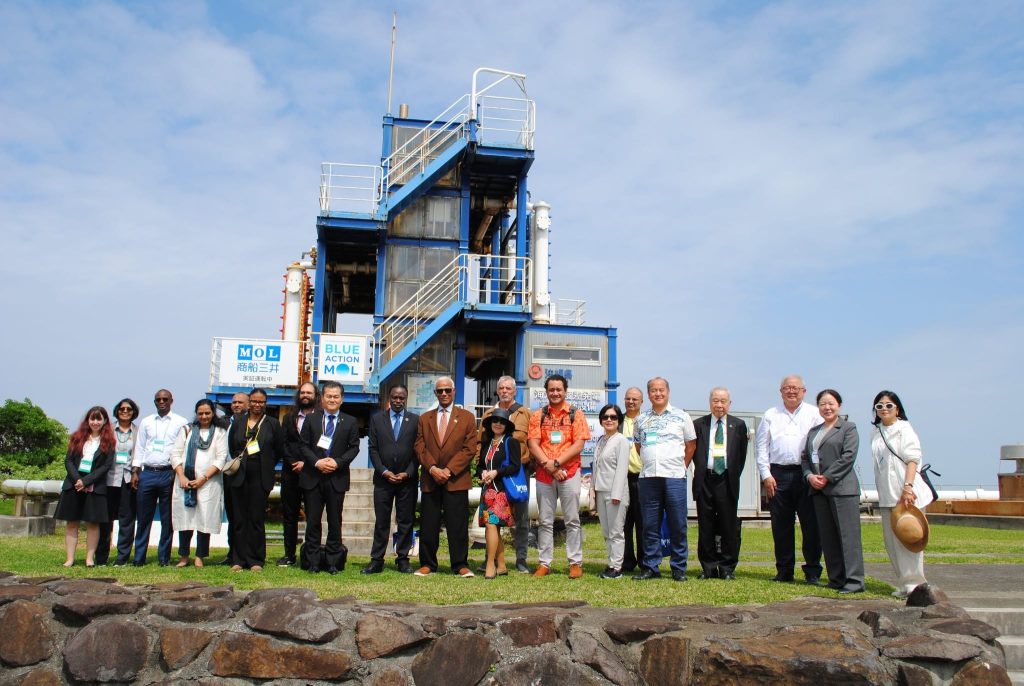
Energy is critical to all aspects of our daily life and livelihood.
What are some of the biggest challenges you have faced in your research, and how did you address them?
The main challenge in advancing OTEC is changing people’s mindset about energy.
While OTEC harnesses the energy from the temperature difference between warm surface seawater and cold deep seawater, many still see it only as a source of electricity, overlooking its wider potential.
This is why the OTEC Malaysia Model must be better understood and explored by all stakeholders. To achieve this, we are conducting research projects and organising webinars and talks to raise awareness and encourage greater adoption.
Another challenge is attracting high-quality Master’s and PhD students to support OTEC research and future development.
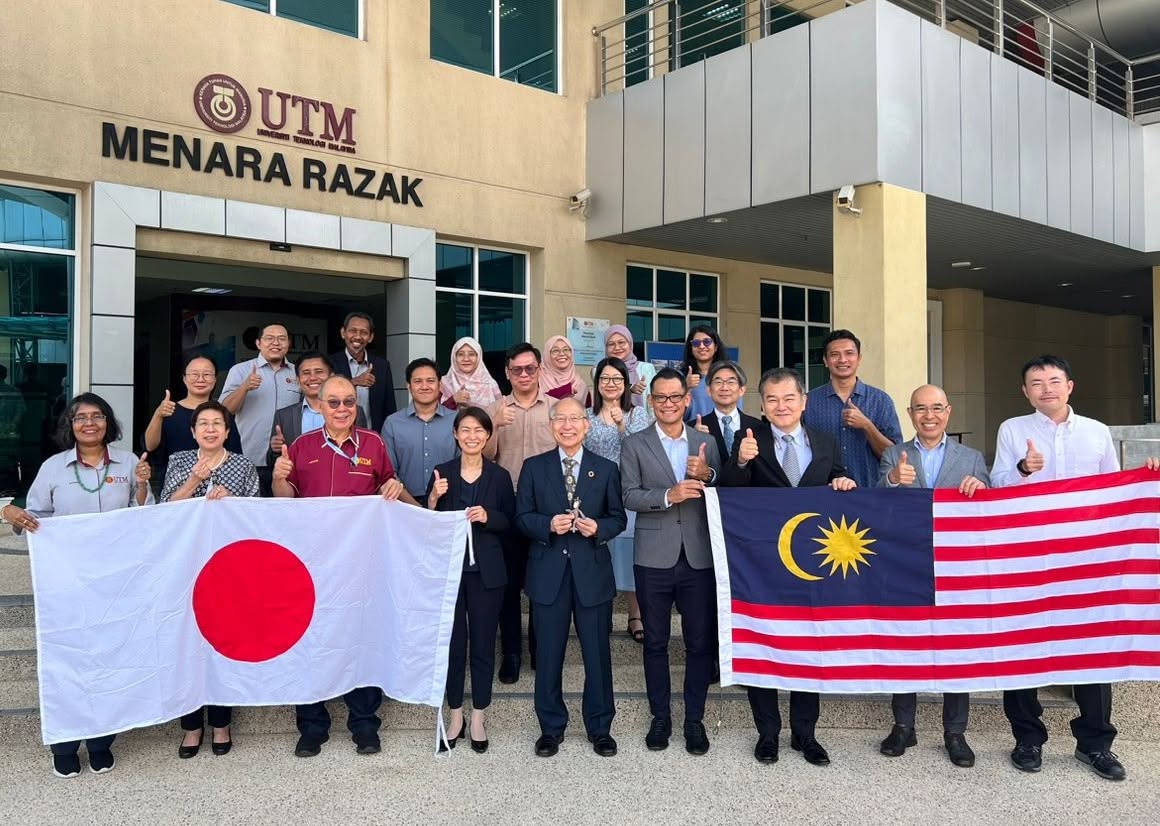
Malaysia has potential for OTEC, specifically in Sabah and Sarawak, where deep seawaters are available.
Many think scientists only work in labs, but that’s not always true. What do you think of this perception? Where have you done the research for your work, or where have you worked in the past?
Problem-solving, critical thinking, and perseverance are key criteria for a scientist. We must never give up and remain lifelong learners.
My work involves designing new OTEC systems and performing thermodynamic calculations, applying the physics and chemistry concepts I learnt in Form 4 and Form 5.
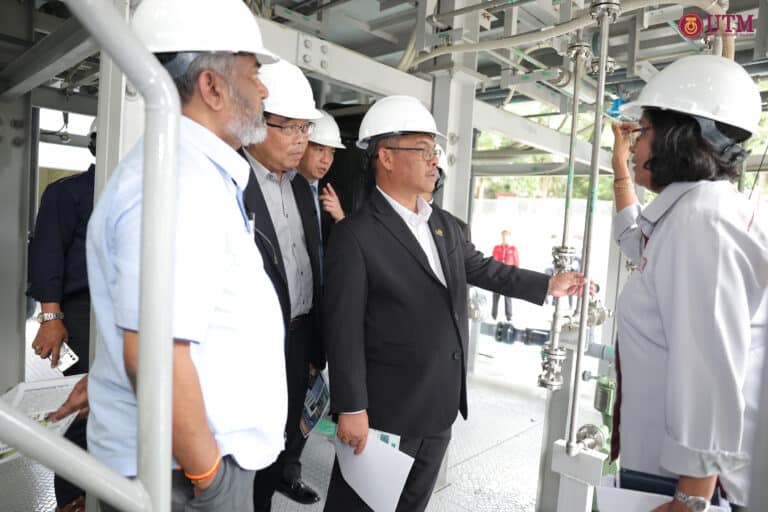
Scientists can work anywhere and everywhere. It is all about IDEATION (this happens even in dreams) and ACTION.
Can you share any interesting or funny stories while pursuing your research?
One valuable experience in our laboratory reinforced the importance of following SOPs at all times. A valve that should have been opened gradually was opened fully instead, reminding us that even small details matter in scientific work. Thankfully, everyone wore proper PPE, and the situation was handled safely. It was a valuable lesson that good science always begins with good safety practices.
What motivates you when you feel “down,” and how do you come back stronger & more enthusiastic at work? What do you find most rewarding about your job?
I work for my students, the environment and the ecosystem. Above all, my family, especially my husband, children and parents, keeps me going. Their support motivates me a lot. My work and research activities are for people and nation building. These thoughts make me stronger and feel happier about my work and workplace.
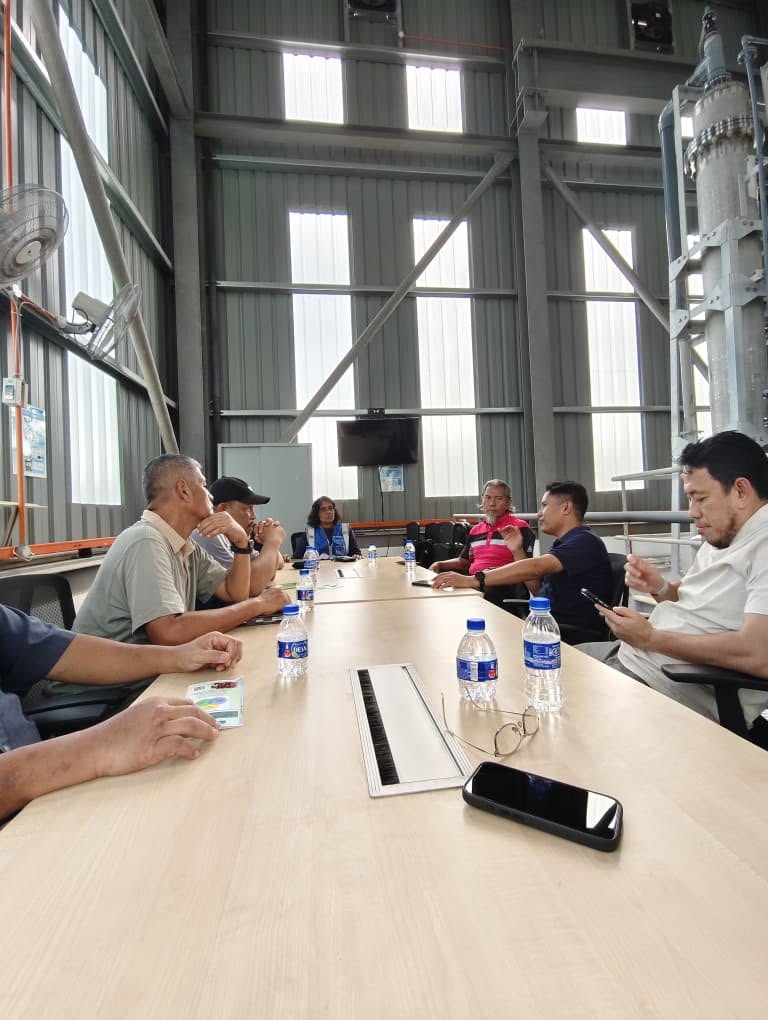
My students, staff, teammates, and collaborators are my rewards, and I treasure them.
What advice would you give young people interested in pursuing a career in STEM?
STEM education is vital for your life and livelihood. Meaning the basics of add-maths, physics, chemistry and biology will provide fundamental knowledge and strength to live a normal life.
Upon completing SPM, you can then decide and divert your future graduate studies and career pathway. By completing STEM education, you have a wider range of career options.
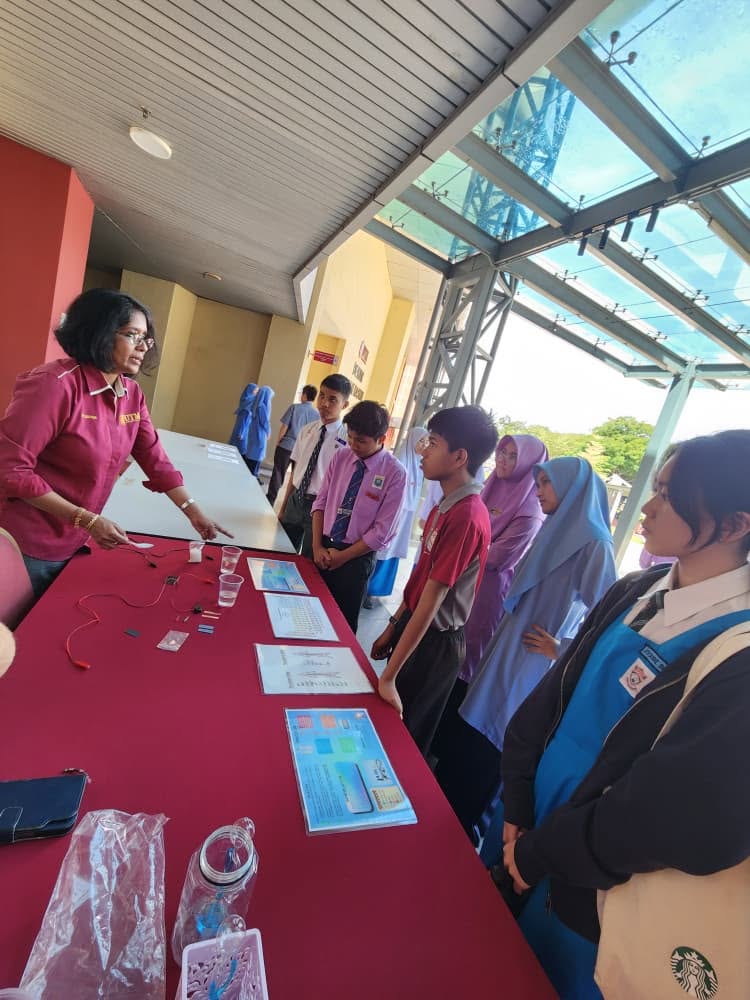
I encourage all Form 3 students to consider STEM education for Form 4.
What skills do you think they should develop?
STEM education shapes the way students think and equips them with essential lifelong skills. It nurtures critical thinking, problem-solving, creativity, objectivity, honesty, perseverance, curiosity and many other qualities that prepare them to tackle real-world challenges.
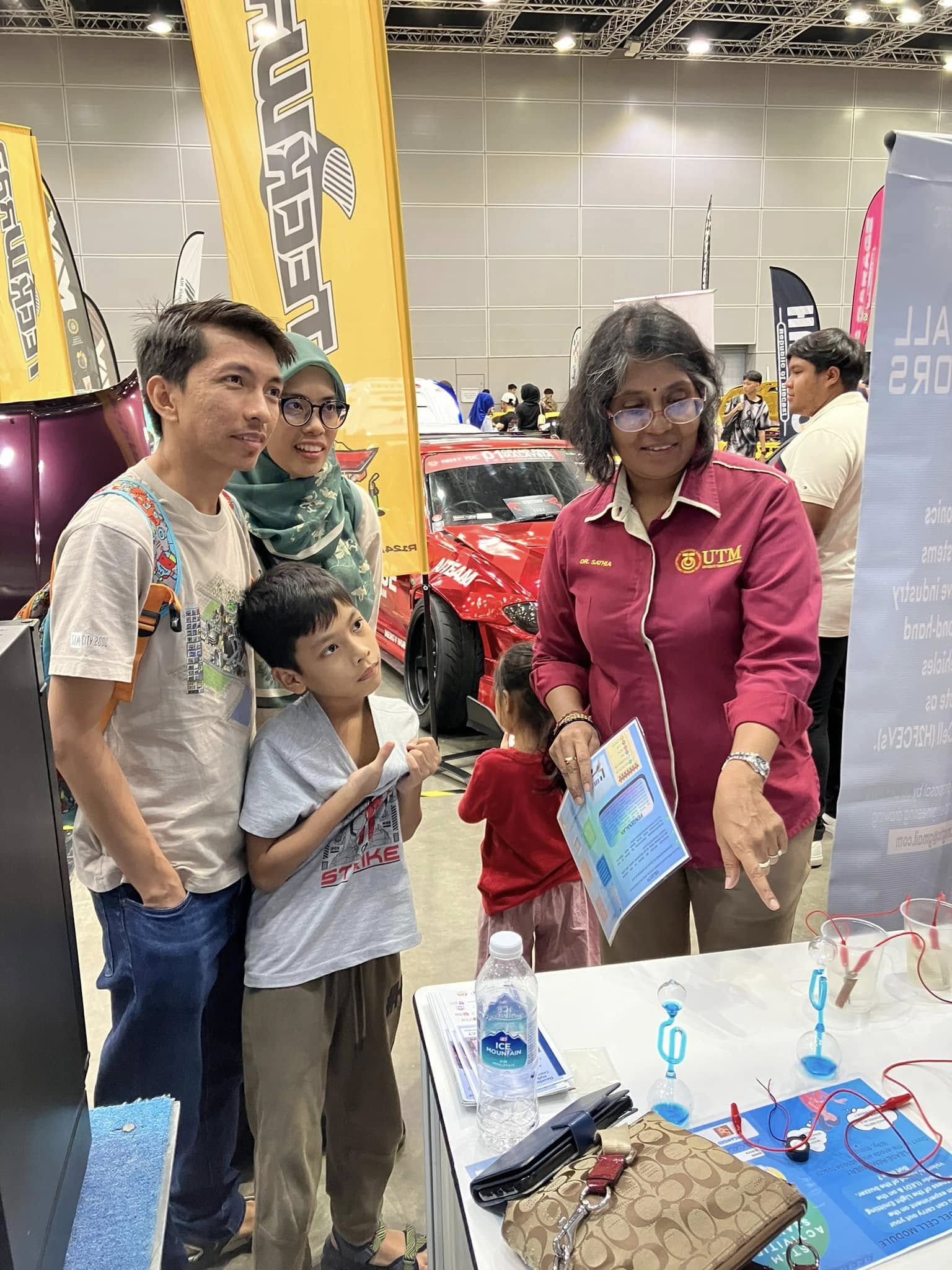
I even teach and promote the fundamentals of the OTEC cycle to primary children. The earlier the exposure, the greater the chance for them to enjoy STEM education.
What areas will be most exciting to explore in the coming years?
Renewable energy and artificial intelligence (AI), including algorithm design, Python programming and data analytics, are exciting fields to explore and are expected to be in high demand. 🐝
This article was developed as part of a collaborative effort between e-estidotmy, an initiative of ASM, and Kementerian Pendidikan (KPM).