When we hear the word “technology”, we often imagine big machines, robots, or flying cars. But today, one of the most powerful technologies in the world is something we cannot even see. It is called nanotechnology.
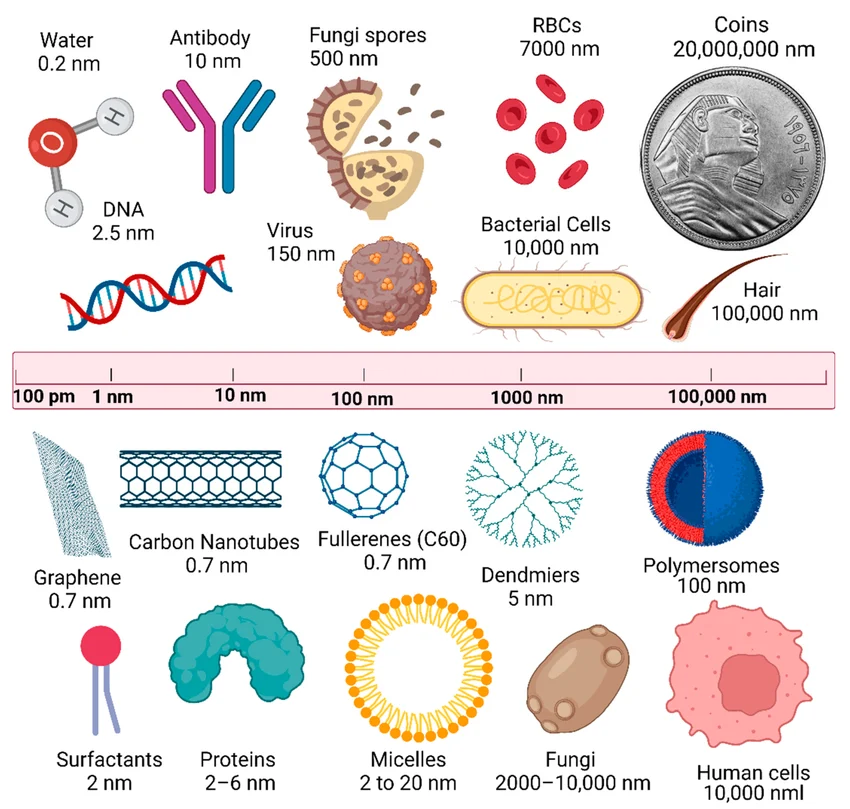
The word “nano” means very, very small. To imagine its size, think about a single strand of human hair. Around 40,000 tiny nanoparticles can fit across it. That is how small nano really is.
So why does something so tiny matter?
Even at such a small scale, nanotechnology is already helping people in many ways. One important area is medicine.
Scientists are developing tiny particles that can deliver medicine directly to the part of the body that needs treatment. It works like a smart delivery service that knows the right address, helping treatments work better and reducing side effects.
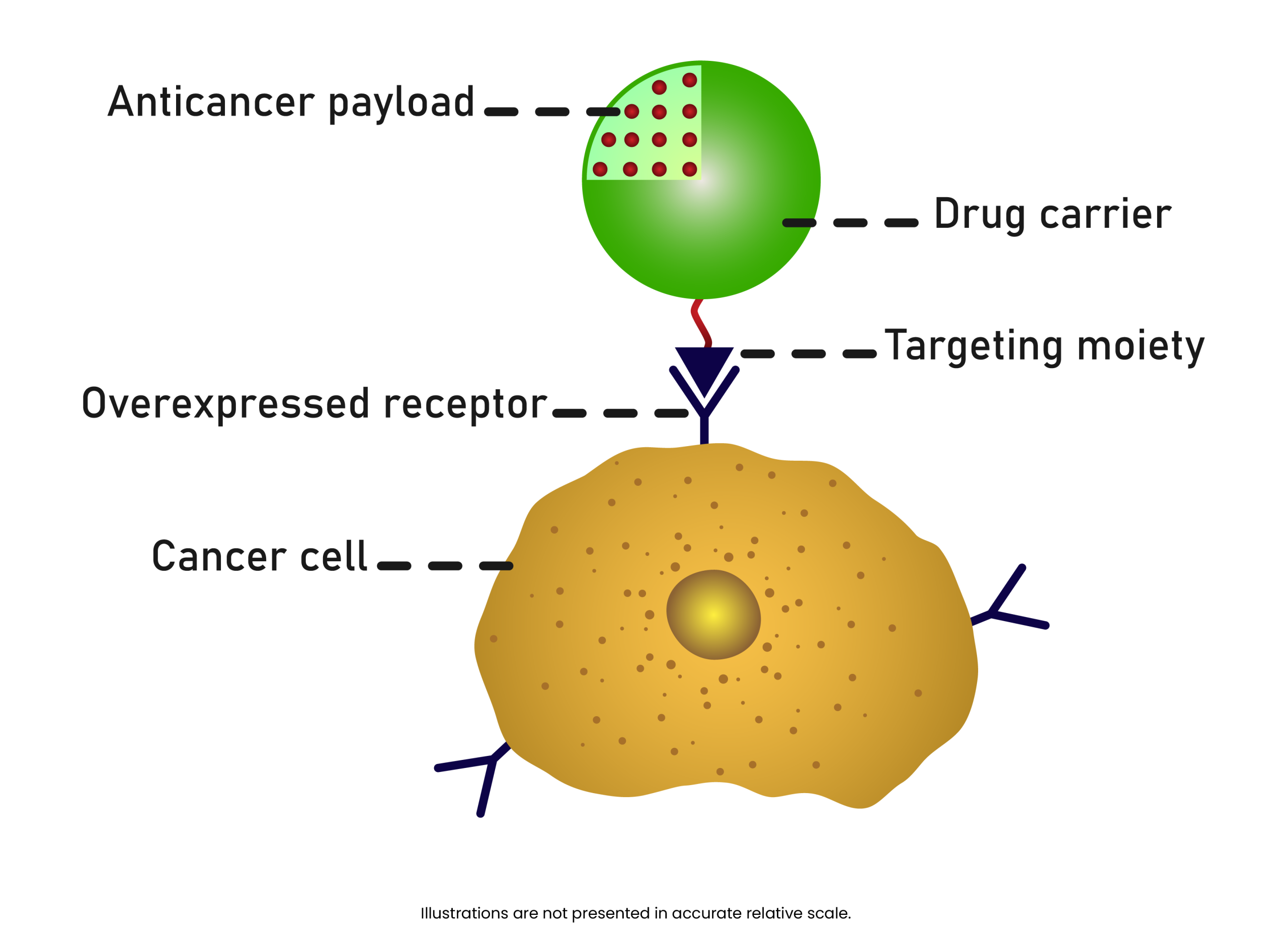
In hospitals, some medical tools now use nano-coatings. These coatings help prevent bacteria from sticking to surfaces, reduce the risk of infection, and keep patients safer.
Even sunscreen may contain nanoparticles that protect our skin without leaving a thick white layer.
Nanotechnology is also inside many of the gadgets we use every day. Phones, laptops, and tablets are now smaller, lighter, and faster thanks to nanoscale components. These tiny parts help devices work more efficiently while using less energy.
Energy is another area where nanotechnology plays an important role. It helps improve batteries, so they last longer. It also helps solar panels collect more sunlight.
These properties are important as the world seeks cleaner, greener energy solutions.
What about Malaysia?
In Malaysia, nanotechnology has strong potential in agriculture. Farming is an important part of our economy and daily life.
With nanotechnology, farmers can use nano-fertilisers and small sensors to support plant growth. These tools help deliver nutrients more precisely, reducing waste and protecting the environment. Healthier crops and lower costs benefit both farmers and consumers.
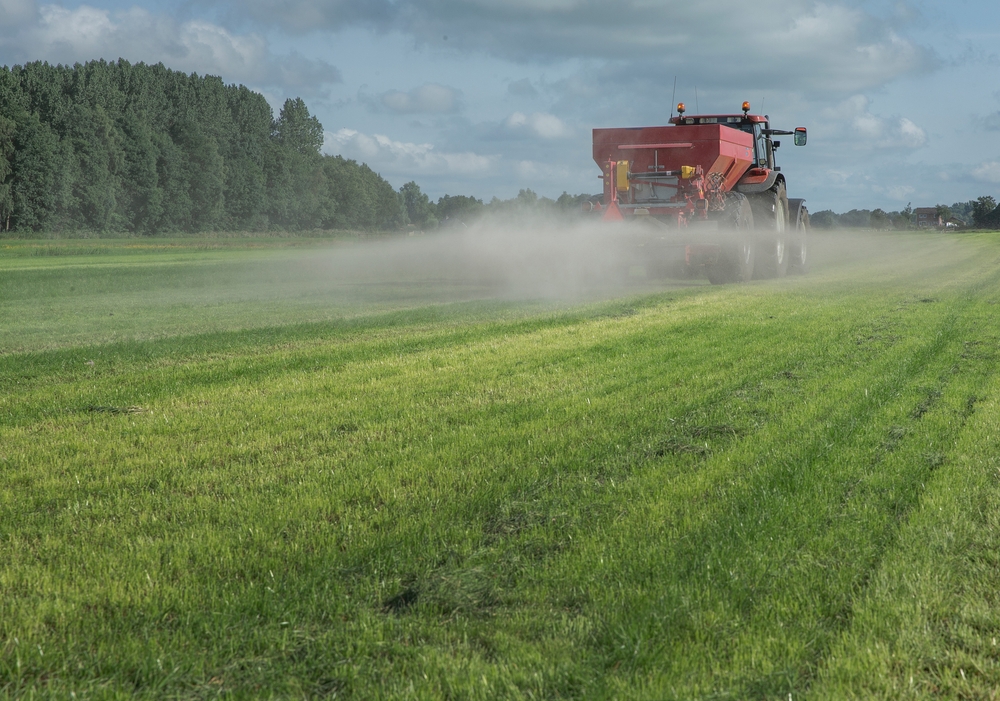
Nano-fertilisers can be developed to support crop growith. (Shutterstock)
Malaysia is also rich in natural resources. Local scientists are exploring ways to turn natural materials into safe, eco-friendly nanoproducts.
This approach is known as green nanotechnology. It focuses on using technology to work with nature rather than against it.
Nanotechnology also appears in everyday products. Some clothes use nanomaterials to repel water or resist stains. Sports equipment becomes lighter and stronger.
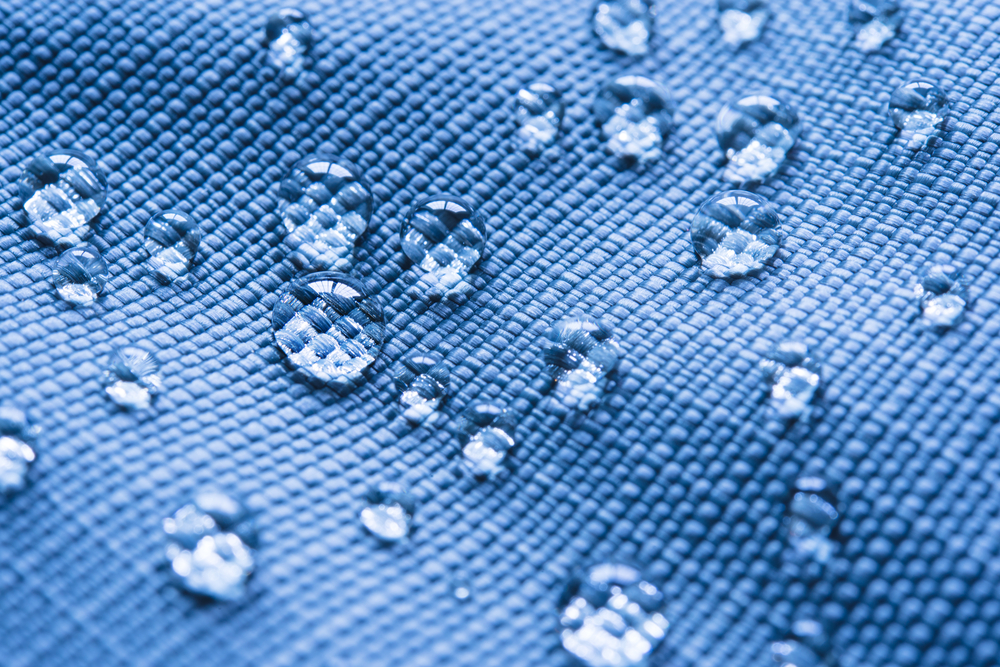
Special nano-coatings help clothing repel water or stains better. (Shutterstock)
Certain food packaging uses nanotechnology to help keep food fresh for longer.

Nanoparticles embedded in food packaging may extend the shelf life of food. (Shutterstock)
Of course, it is normal to ask questions about safety. New technologies should always be handled carefully. Many nanotechnology-based products already undergo safety testing before reaching the market.
Scientists, governments, and experts continue to study nanotechnology and develop guidelines to ensure its responsible use.
Nanotechnology may be small, but its impact is big. It can improve healthcare, support farmers, protect the environment, and drive innovation.
For Malaysia, it is more than just science. It is an opportunity to create new industries, new jobs, and a more sustainable future.
So, the next time you hear the word “nano”, do not think of something confusing or frightening. Think of it as a tiny helper, quietly working behind the scenes.
Sometimes, the smallest things really do make the biggest difference.
Prepared by:
Dr Rafidah Abdul Rahman
Senior Research Officer