Ever tasted a fruit that looks like an olive but turns buttery and creamy like an avocado after a warm soak? Meet Dabai, one of Borneo’s most beloved seasonal fruits.

(Shutterstock)
Often called the “local olive,” Dabai is eagerly awaited each year by communities across Sarawak, Sabah, and Kalimantan.
More than just a fruit, Dabai represents seasonal excitement, comfort, and for many locals, a taste of home.
Texture and Appearance
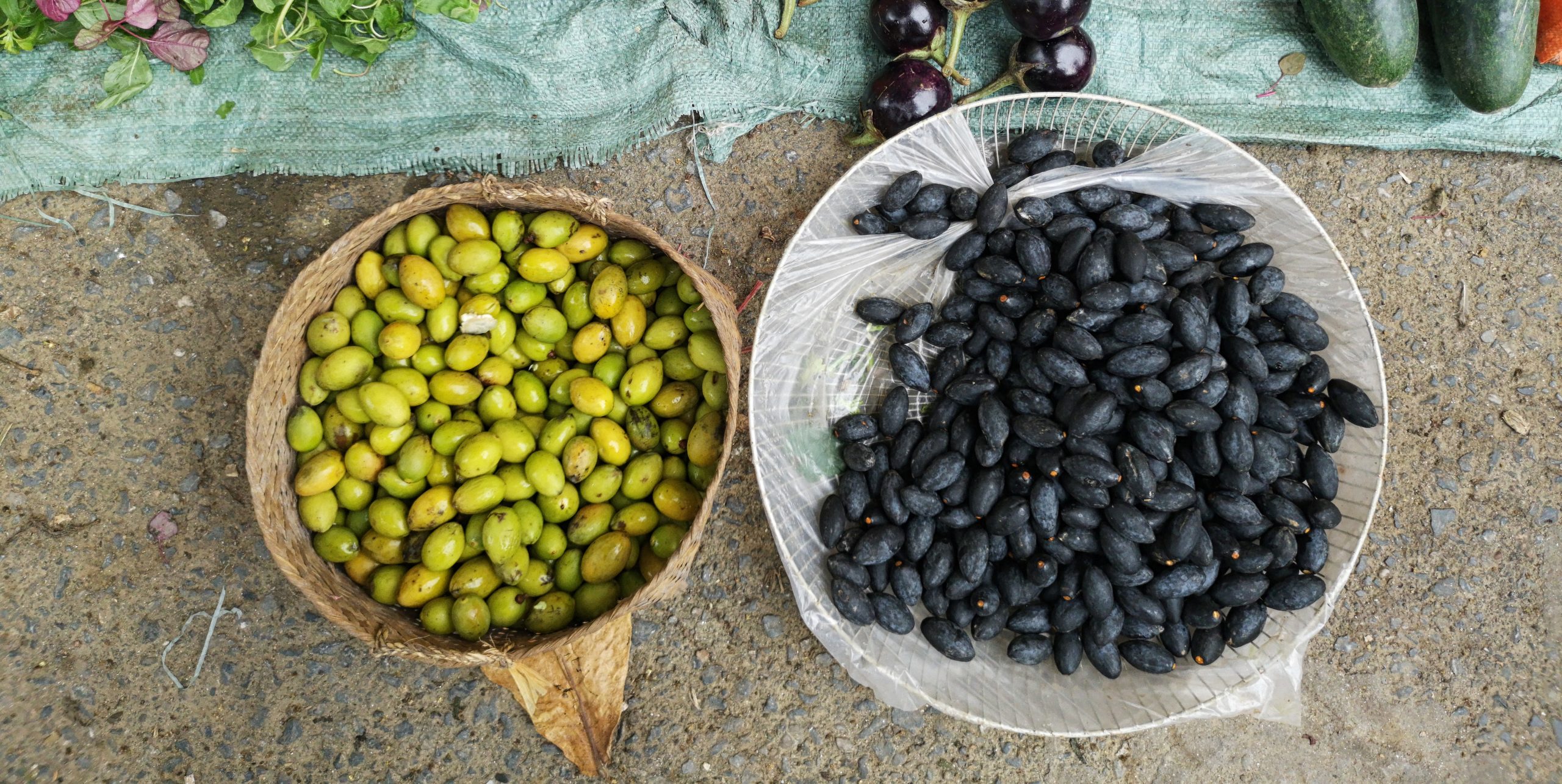
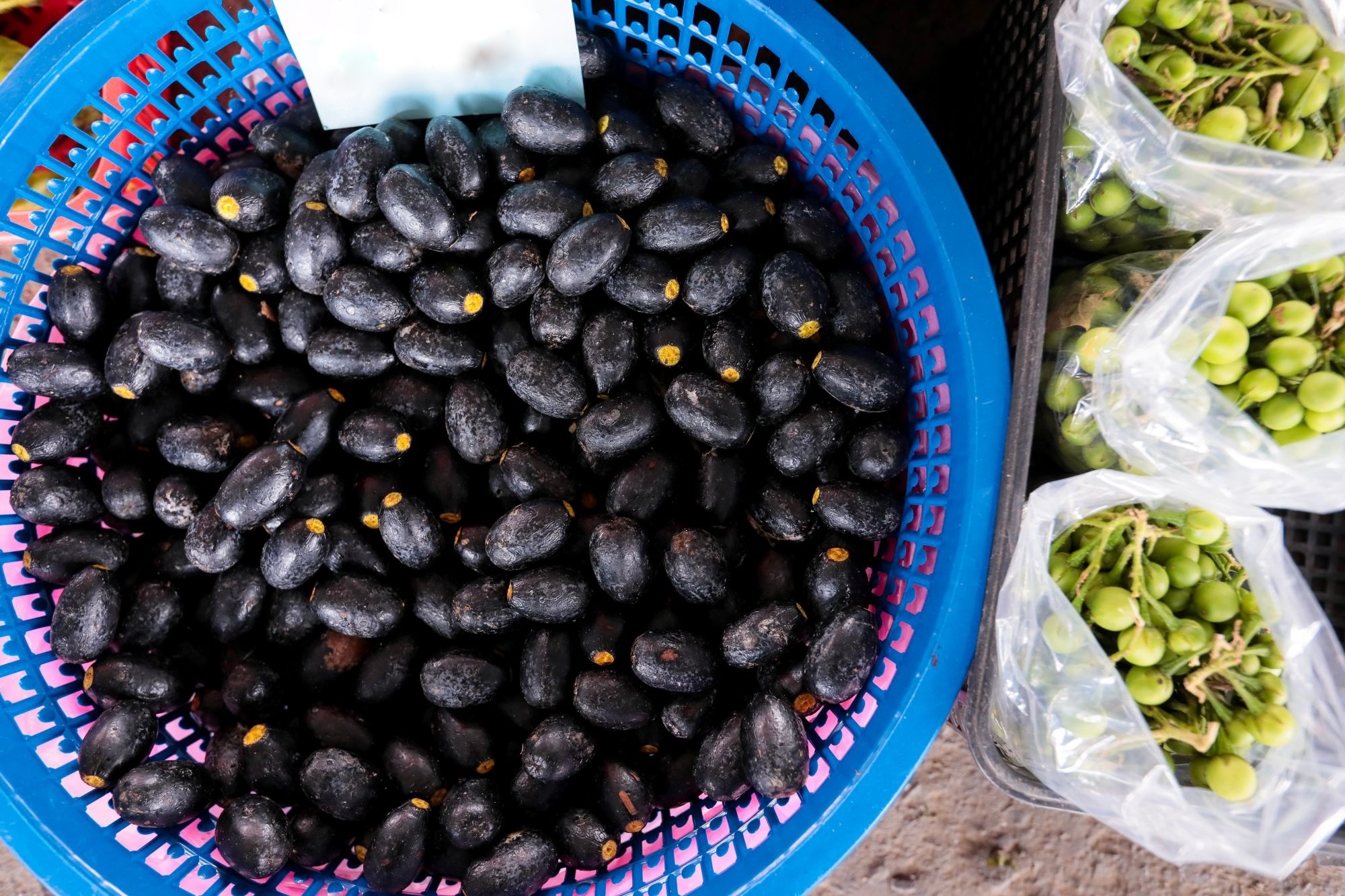
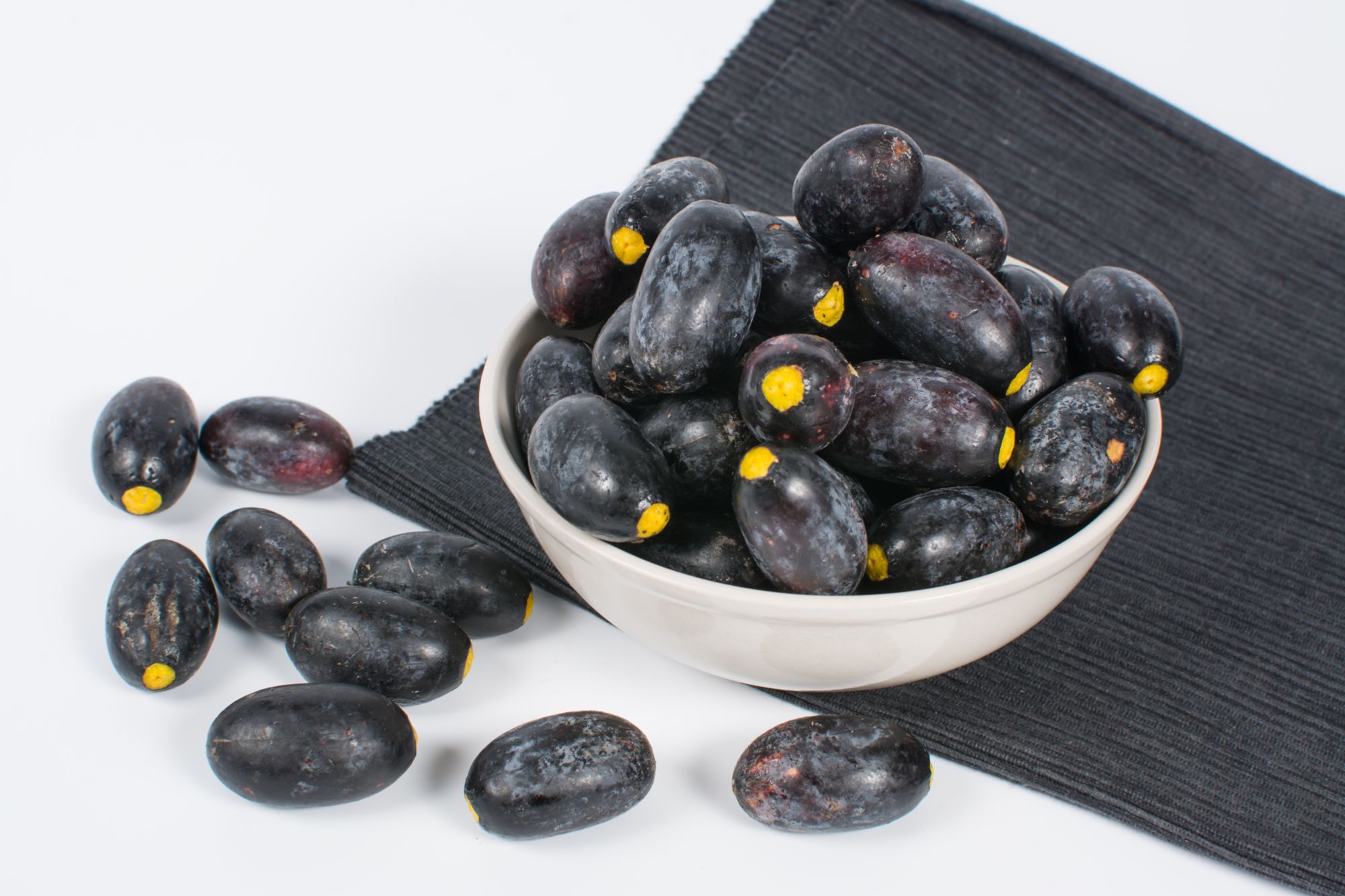
Dabai closely resembles small olives, with an oblong shape and skin that darkens from pale green to deep purple or almost black as it ripens.
(Shutterstock)
The fruit is usually 3 to 4 cm long and weighs around 10 to 13 grams, housing a single triangular seed. Its flesh, bright yellow when softened, has a creamy consistency and a flavour reminiscent of avocado.
Before eating, Dabai is typically rinsed and soaked in hot water for 10 to 15 minutes to soften its tough skin.
Once ready, it can be eaten as a snack or added to dishes like Nasi Goreng Dabai, where its rich, nutty flavour enhances the dish.
A Small Fruit with Big Nutrition
Dabai is more than just a flavorful fruit—it is highly nutritious. Its flesh contains healthy fats, protein, and carbohydrates, providing energy and supporting overall wellness.
Dabai is rich in antioxidants, phenolic compounds, and vitamin E, which are frequently studied for their potential to support general wellness.
Even the skin and seed contain valuable oils, making the fruit versatile in both cooking and health applications.
Regular consumption is believed to provide benefits ranging from cholesterol management to antioxidant support, solidifying Dabai’s reputation as a fruit locals love not just for taste, but for goodness too.
Why Many People Love Fermented Dabai
Fermentation is a popular way to enjoy Dabai throughout Borneo. After washing and soaking in hot water, the fruit is mixed with salt and stored in earthenware containers for one week to a month.
This process softens the fruit, enhances its flavour, prolongs its shelf life, and boosts its nutritional content.
Fermented Dabai products, such as pickles, are widely enjoyed for their creamy texture and savoury flavour.
This traditional technique allows people to savour Dabai year-round, turning a seasonal fruit into a year-round delicacy.
More than Food: Dabai and Bornean Culture
(Shutterstock)
Dabai holds cultural importance across Borneo. The annual Pesta Dabai, held in the town of Song, Sarawak, celebrates the fruit with exhibitions, cooking competitions, and cultural performances that attract visitors from across Malaysia and Indonesia.
Dabai is also widely enjoyed in other parts of Borneo, reflecting local pride in this seasonal delicacy.
Beyond being a tasty treat, the fruit plays a role in social gatherings and culinary traditions, highlighting its significance in the daily lives and heritage of Bornean communities.
A Creamy Taste of Borneo
(Shutterstock)
From its tough outer skin to its creamy, flavorful flesh, Dabai continues to captivate fruit lovers throughout Borneo.
Its combination of taste, nutritional value, and versatility in cooking and fermentation makes it a true local treasure.
Whether eaten fresh, stir-fried in rice dishes, or enjoyed as a fermented pickle, Dabai represents the rich culinary traditions and health-conscious choices of Bornean communities.
For locals and visitors alike, Dabai is more than a fruit—it is a celebration of flavour, culture, and well-being across the island.
Prepared by:
Ng Yi Ting, Princess Shakira binti Othman, Nur Aizatul Farahiah binti Hussin, Wan Nur Aleeya Illyanie binti Megat Ahmad Rafizi and Nur Hani Aqilah binti Mohd Nasir
Universiti Tun Hussein Onn Malaysia (UTHM)