Human-animal conflict in Malaysia has become increasingly linked to deforestation and the expansion of oil palm plantations, which have destroyed wildlife habitats and forced animals closer to human settlements.
As one of the world’s leading palm oil producers, Malaysia has often faced criticism for the industry’s environmental impact and its effects on wildlife.
However, it is important not to blame oil palm production for deforestation since Malaysia has stopped expanding its oil palm plantations for quite some time, while other neighbouring countries haven’t.
One of the main causes of growing concern about human-animal conflict is habitat loss driven by human activities such as urbanisation and agriculture.
Elephant and tiger habitats have fragmented and degraded since natural forests were converted into oil palm plantations, increasing the likelihood of adverse encounters between people and these animals.
Aside from elephants and tigers, macaques have also been known to invade oil palm fields, harming crops and destroying property.
Addressing human-animal conflict in Malaysia will require a multi-faceted approach that includes habitat restoration, public education, and the implementation of deterrents such as electric fences and noise devices.
It must also be committed to sustainable development that balances economic growth with environmental conservation.
In Malaysia, human-animal conflict is often associated with elephants, tigers, and macaques.
Elephants and tigers are threatened species, and human development often encroaches upon their habitat.
Macaques are often found in urban areas and may raid crops or cause property damage.
To address this issue, the Malaysian Palm Oil Council (MPOC) has developed several approaches to manage concerns about deforestation and to engage in open dialogue about the impact of the oil palm industry.
One of the initiatives mentioned includes an investment in research and development to improve oil palm yields and reduce the environmental impact of plantations.
It includes exploring alternative feedstocks and developing more efficient processing technologies.
In 2019, the Malaysian Palm Oil Green Conservation Foundation (MPOGCF) actively supported conservation efforts and promoted sustainable palm oil practices.
One of the initiatives includes habitat restoration projects in which the foundation supports restoring degraded land and creating wildlife corridors to mitigate the impacts of past deforestation.
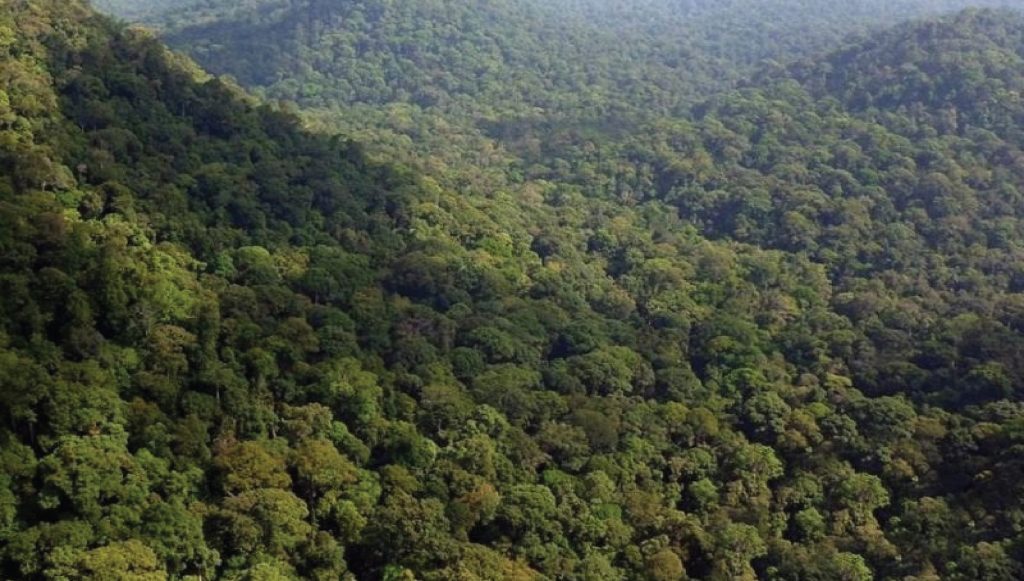
MPOGCF’s Restoration of Ecological Linkages of the Central Forest Spine (CFS) aims to connect forest patches fragmented by oil palm plantations and increase the roaming area for wildlife such as the Malayan tiger and the Asian elephant. Source
By highlighting these initiatives, we can demonstrate MPOC’s commitment to addressing environmental concerns and promoting responsible palm oil production.
This effort provides a more balanced perspective on the industry and its efforts to engage in constructive dialogues.
What steps is the Malaysian government taking to address this issue?
The Malaysian government has implemented a number of strategies to address conflicts between people and animals, including creating wildlife corridors to connect fragmented habitats, relocating problem animals, and using deterrents such as electric fences and noisemakers.
The government has supported public education and awareness programs to lessen unfavourable encounters between people and animals.
This issue is complex and requires a multifaceted approach to address.
Education and habitat restoration are important, as are implementing deterrents such as electric fences and noise devices.
It’s also important to balance economic growth with environmental conservation.
It’s also important to involve local communities in conservation efforts and provide them with alternative livelihoods that do not rely on activities contributing to habitat loss.
It’s vital to involve stakeholders from all sectors, including government, industry, and civil society, in a collaborative effort to address human-animal conflict in Malaysia.
This effort will require a commitment to finding sustainable solutions that balance the needs of people and wildlife.
Another important aspect of addressing human-animal conflict is the need for effective monitoring and evaluation of conservation efforts, which MPOC also does.
This exercise will check whether treatments are having the expected effect and are being implemented in a way that will be sustainable over time.
An essential component of our ecology is wildlife. Wildlife is essential for pollination, seed dissemination, and pest management.
The loss of wildlife habitats can significantly affect ecosystems and the environment, which, in turn, can affect human health and well-being.
It’s critical to understand how our actions affect wildlife habitats and to take precautions to save them.
Though it’s challenging, we may try to balance environmental preservation and economic growth in several ways.
Promoting sustainable development, which considers the requirements of both the economy and the environment, is one strategy.
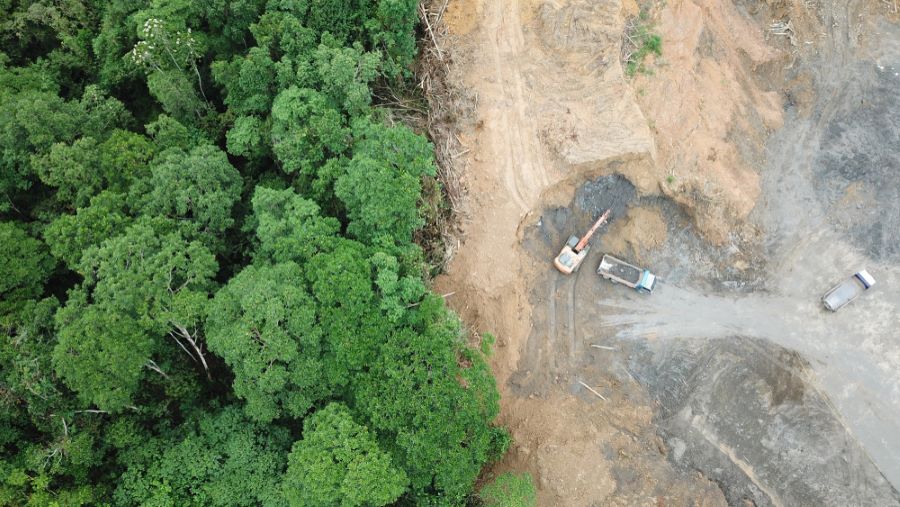
The loss of wildlife habitats can significantly affect ecosystems and the environment, which, in turn, can affect human health and well-being.
Prepared by:
Aizatul Izzati Ariffin & Associate Prof Dr Hasmahzaiti Omar