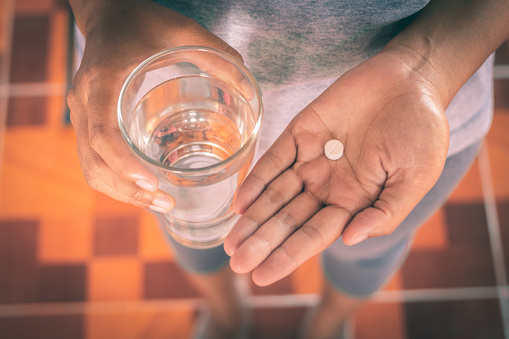
Feeling feverish? Muscle pain got you feeling down? How about a splitting headache? Chances are, you’ve probably bought some pills to help curb the many aches you’ve faced, right? Well, the pills you bought could very well be paracetamol!
But wait, what is paracetamol? Paracetamol, or acetaminophen, is a medicine commonly used as a painkiller and to reduce fever.
Its history dates back more than a hundred years, in 1893, when it was first used clinically by a physician named von Mering.
However, it wasn’t commercially available in the United States until 1950, with Australia following suit in 1956.
Throughout the 1960s and the 1980s, paracetamol continued to gain popularity rapidly.
Due to its fast-acting nature and popularity, paracetamol has become a staple in many households worldwide, with dozens of generic versions available today.
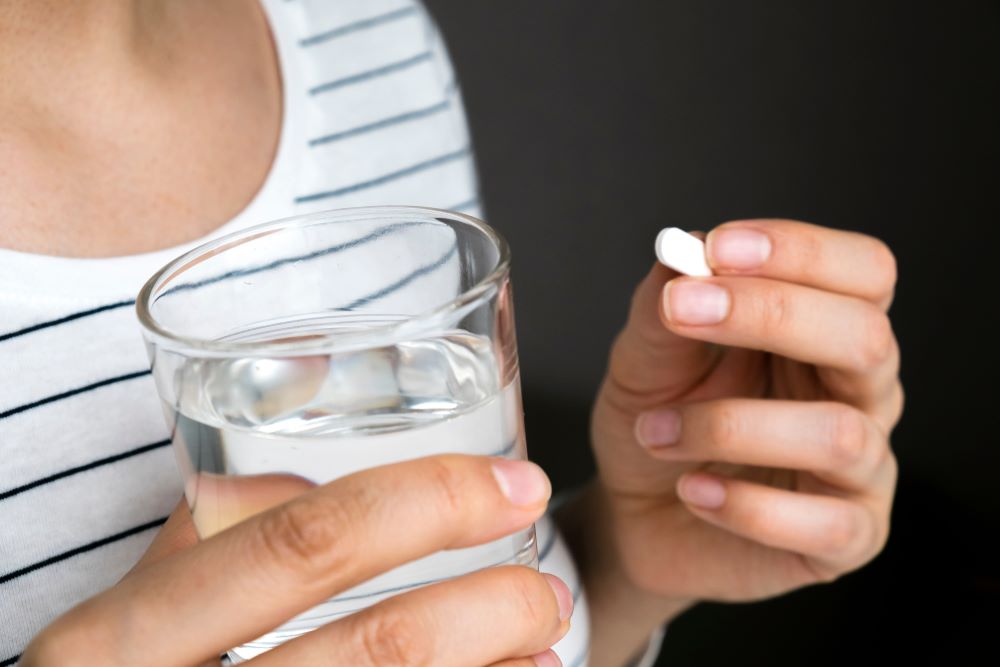
The question remains, however: how does paracetamol work?
The science behind the drug’s mode of action is unknown, even to many scientists. Theories suggest that paracetamol works on your nervous system.
Befitting its title as a painkiller, it helps to reduce the intensity of pain signals to the brain.
Regarding its antifever capabilities, it lowers body temperature by reducing levels of chemical compounds called prostaglandins.
Prostaglandins are hormones that are responsible for the occurrence of fevers when you are sick.
Interestingly, paracetamol isn’t the only medicine available to treat fevers and alleviate pain.
Medicines, including ibuprofen and aspirin, are often lumped together with paracetamol in the same category, as each can relieve pain and reduce fever.
However, the key difference between these medicines and paracetamol is that paracetamol cannot reduce inflammation or swelling.
Compared to paracetamol, the main drawback of these medicines is their side effects, which are far more severe.
Side effects of aspirin and ibuprofen can include stomach problems such as bleeding, ulcers, diarrhoea, kidney problems, high blood pressure, and rashes.
It is also not recommended to take or consume them together regularly, as it can worsen the side effects experienced.
In retrospect, paracetamol is relatively mild in terms of its side effects, which are rare.
These can include bloody stools or urine, lower back pain, red spots on the skin, and rashes.
Overdosing on paracetamol is a very real danger and can lead to vomiting, swelling, diarrhoea, and stomach cramps.
You are advised to seek medical help when you experience any of these symptoms.
As for its interactions with other medicines or painkillers, it is safe to take with them, provided no additional paracetamol-containing medicines are present.
In general, paracetamol is safe and the preferred drug for treating fevers and mild pain when taken at appropriate doses.
When it comes to taking paracetamol, there are several things to remember. An adult may take 1 to 2 500 mg tablets every 4 to 6 hours, with a maximum of 4,000 mg every 24 hours.
It is important to leave at least four hours between doses to prevent overdosing.
Remember, the results are not instantaneous! The effects will take up to an hour to kick in, so hang tight before popping another tablet. It is also advisable to check if you’re allergic to paracetamol.
Children up to 3 months old may be prescribed paracetamol, but at lower doses.
The dosages for children depend on their weight and are often given as a liquid.
Paracetamol liquid is available in two strengths: 120 mg/5 mL and 250 mg/5 mL.
Unsure of the dose to give to your kids? Check with your doctor or pharmacist on the correct dose for your kids.
Like adults, wait at least 4 hours between doses and do not exceed 4 doses in 24 hours.
In Malaysia, a study of over 400 consumers who used paracetamol daily found that 98% did so.
The consumers mainly used paracetamol for headaches and fevers. 94.3% of consumers also preferred 500mg tablets over 650mg tablets.
In short, paracetamol is a popular and safe over-the-counter medication as long as the correct dosage is administered.
However, don’t forget to check with your doctor for any inquiries before using it, especially regarding dosage and efficacy. Be smart, stay safe, and stay healthy!
This content is intended for informational purposes only and should not be considered medical advice. Please consult a qualified doctor or healthcare professional for medical guidance and treatment.