Discover simple ways to practise SDG 12 through mindful shopping, recycling and creative upcycling, turning everyday habits into real environmental action.
Have you ever walked past a beautifully arranged display of handmade wooden birdhouses in a local park, or noticed a neighbour cleverly using old tyres to plant a vibrant flower garden?
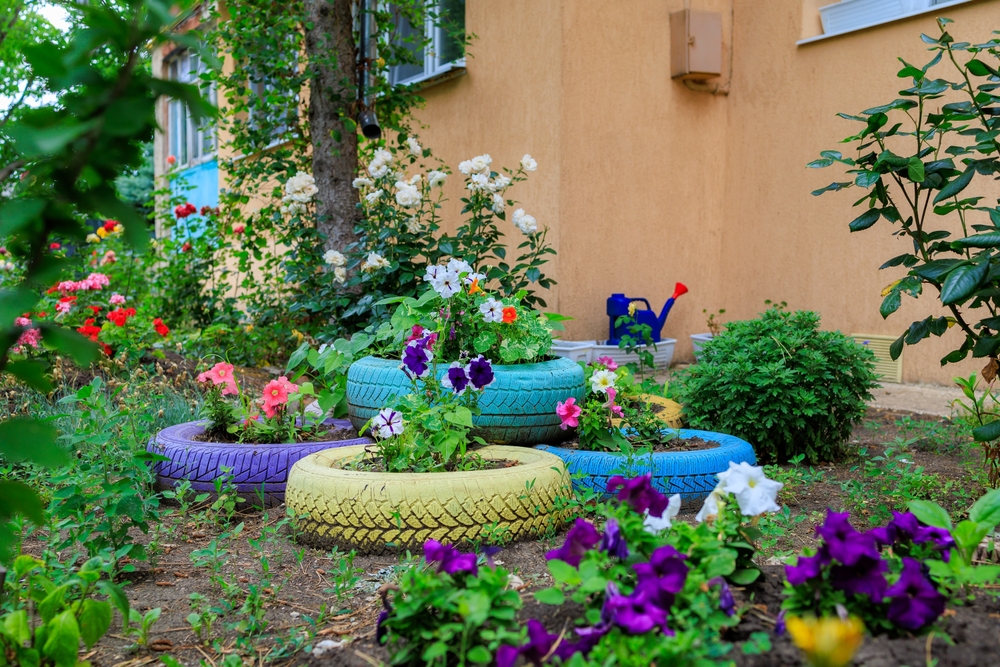
In our neighbourhoods and school corridors, we can see, touch, and feel a green lifestyle. From watching a classmate repair a torn book cover to seeing community volunteers clean up a local stream, real-world action catches our eye because it is practical and purposeful. But is simply being a “silent admirer” of these good deeds enough to change the world?
Your Passport to the SDGs
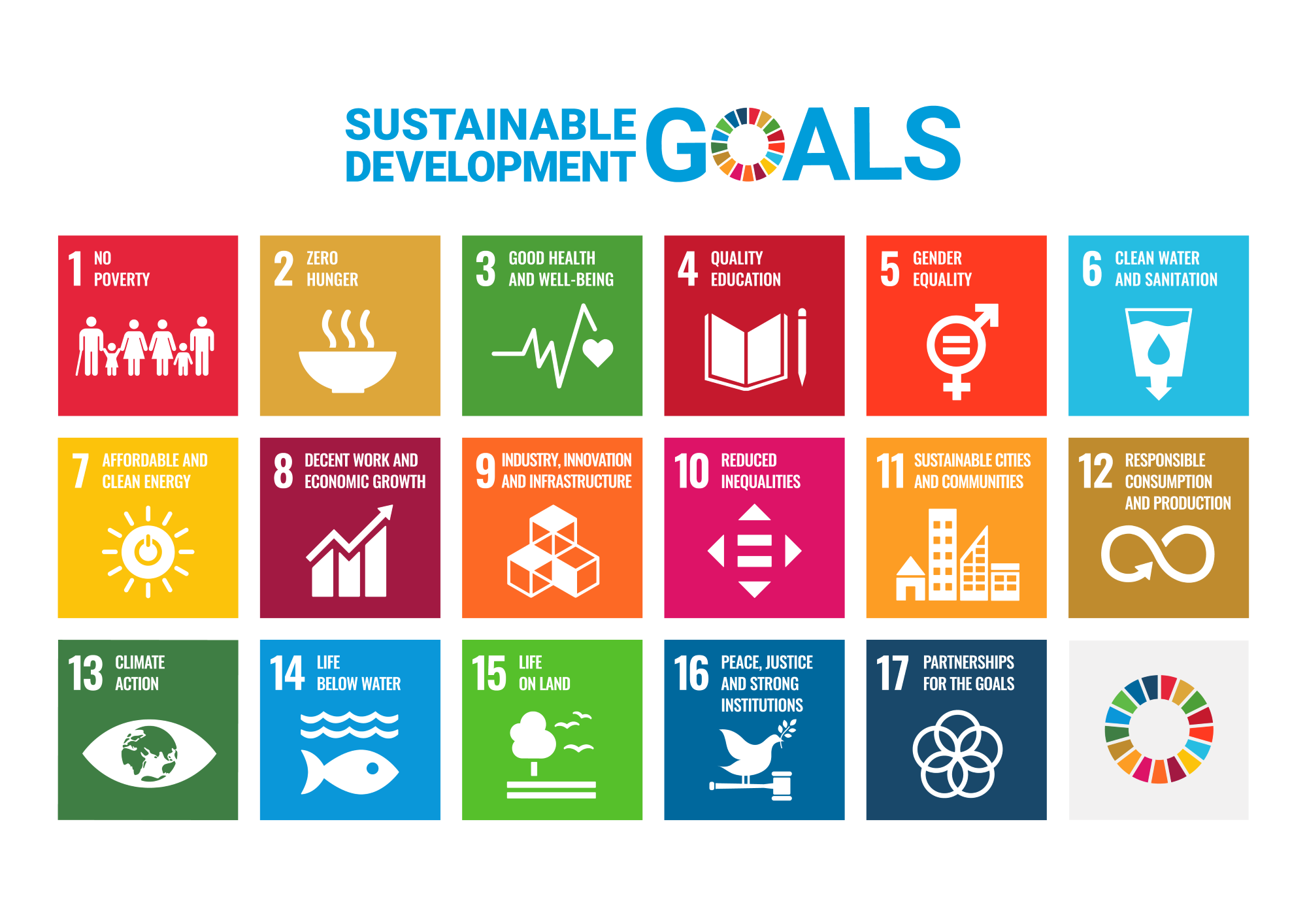
Sustainable Development Goals. Source
The Sustainable Development Goals (SDGs) are 17 global goals the United Nations established to protect the planet, reduce inequality, and ensure peace and prosperity for everyone.
You have likely seen the colourful grid of the United Nations’ Sustainable Development Goals (SDGs) on public notice boards, social media feeds, or at community centres. These 17 global goals aim to protect our planet and ensure peace and prosperity for everyone.
While world leaders discuss these goals at major summits, the real magic happens when students like you take action in your own communities.
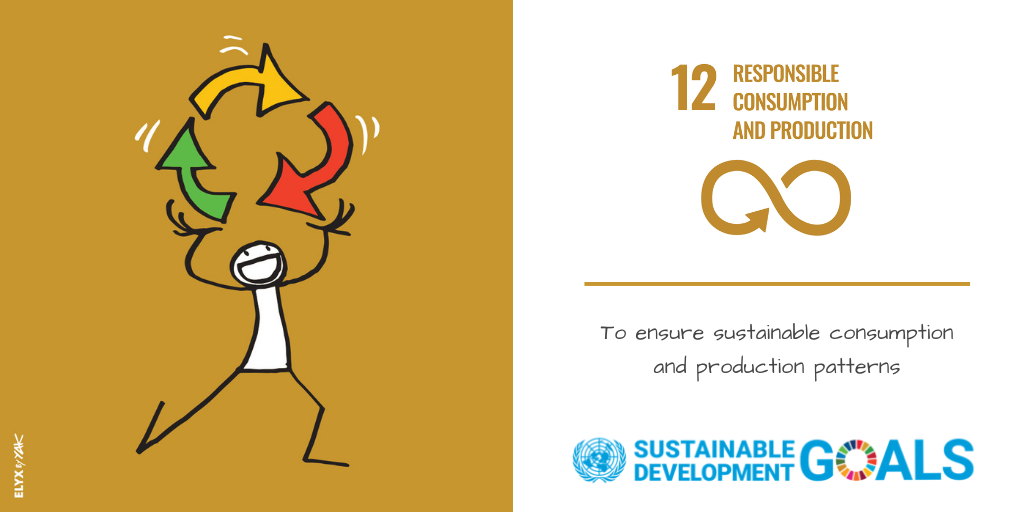
Specifically, SDG 12: Responsible Consumption and Production focuses on ensuring we do not waste the Earth’s precious resources. A major challenge today is that classroom awareness does not automatically translate into real-world change. We might nod along during a geography lesson on conservation, yet keep daily habits that create unnecessary waste in our own bedrooms and at our school desks.
Protecting the environment isn’t about convincing your parents to buy expensive, “eco-friendly” gadgets or matching stationery sets to show them off in class. True sustainability means using what we already have responsibly. It starts with the physical choices you make every day.
Smart Steps: Your Daily Earth-Hero Framework
To turn your classroom knowledge into a structured, real-world routine, use this practical, three-pillar framework. It is designed to fit your daily life as a student, helping you move from a passive observer to an active SDG Hero.
Pillar 1: The Smart Buyer Audit (Classroom Edition)
Before you visit the local bookstore or stationery shop to purchase a new school bag, water container, or pencil set, run a quick self-audit. Make sure you are buying it out of actual necessity, not just because it is a passing trend or temporary novelty.
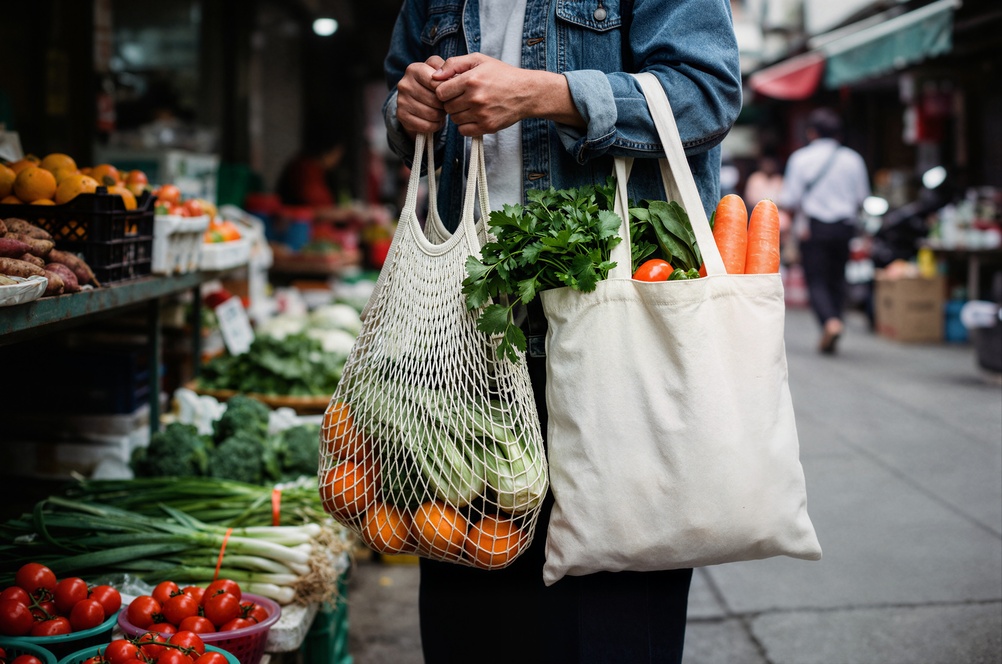
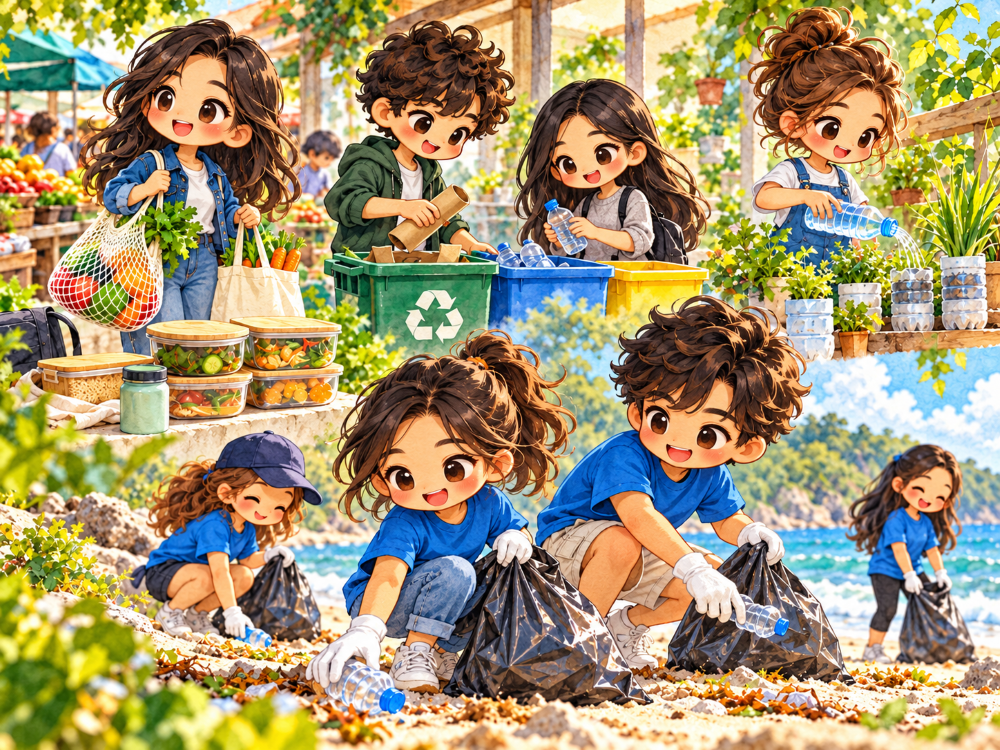
Carry your own reusable tote bags and net bags the next time you go grocery shopping. Shutterstock
Actively look through existing storage spaces, kitchen drawers, or closets for reuse options before buying. Reusing items we already own is a direct way to practice SDG 12.
By refusing to buy unnecessary goods, consumers directly reduce demand for manufacturing, conserve raw materials, and minimise upstream factory waste. Valuing real utility over temporary novelty dramatically cuts individual consumer waste footprints.
Pillar 2: The 3R System at Home & School (Build Micro-Habits)
Take physical action right where you spend most of your day. You do not need to wait for a massive, school-wide campaign to make a difference. Small, daily micro-habits generate a massive wave of impact:
Separate Your Waste: Place two clearly labelled, repurposed cardboard boxes in a shared room or workspace corner: one for clean paper and scrap sheets, and one for empty plastics and tins.
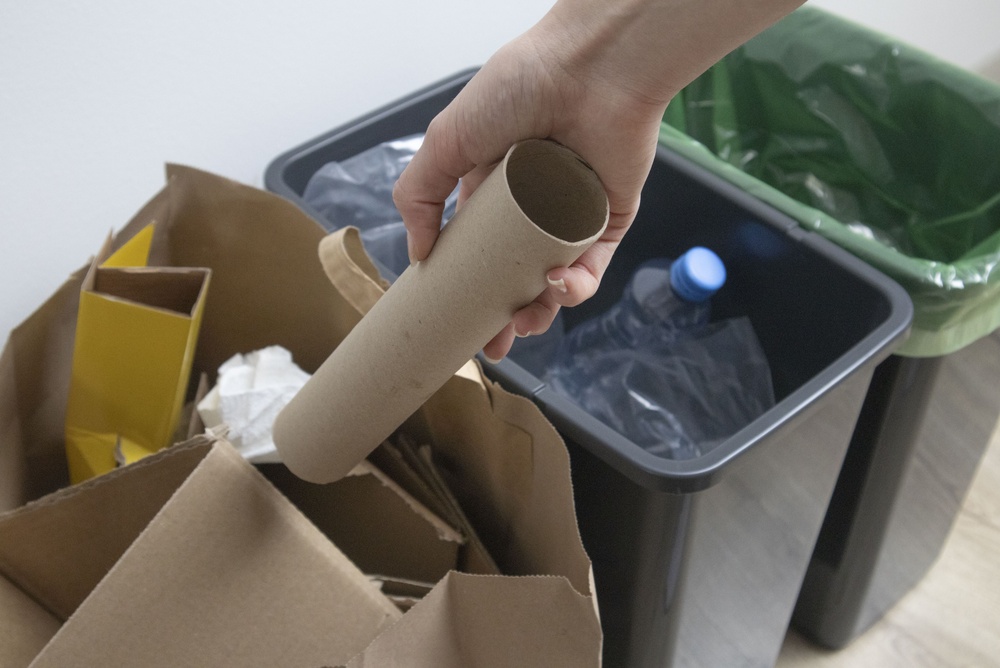
If you don’t have cardboard boxes, reusable plastic bins are fine too. Shutterstock
Once filled, work with family members to transport these sorted materials to a local neighbourhood recycling hub or community collection point. Involving the family turns sorting into a collaborative household routine.
Canteen & Dining Eco-Challenge: Make it a habit to bring your own reusable containers, tiffin carriers, and cloth bags when buying food from canteens or local eateries.
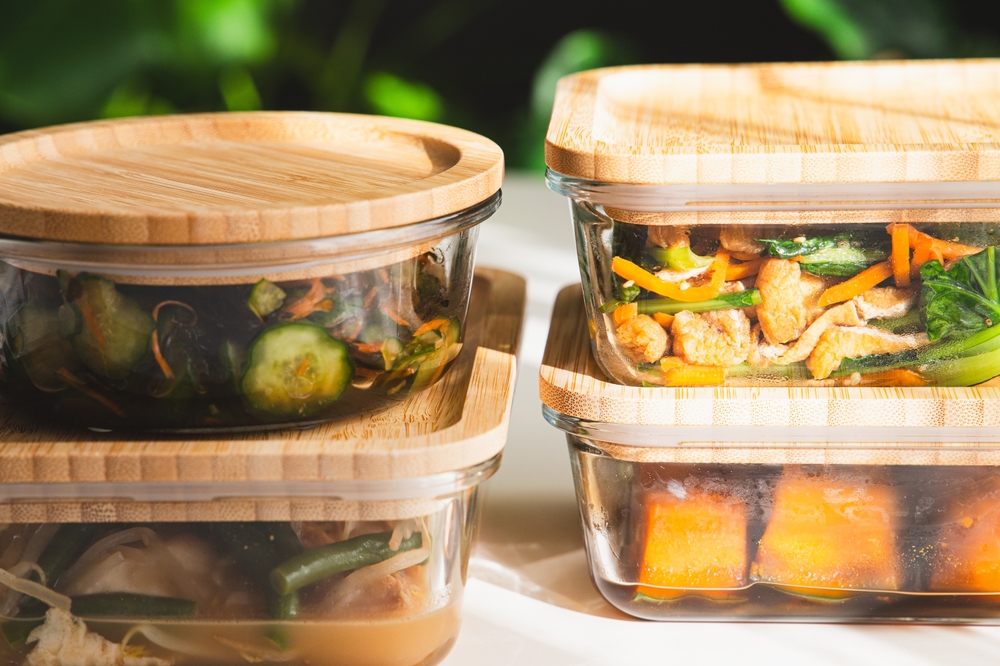
Bring your own reusable food containers to reduce single-use plastic waste and make every meal a step towards a greener future. Shutterstock
Systematically eliminate single-use plastic wrappers, disposable cutlery, and straws from your daily dining routines to stop plastic pollution at the source.
Pillar 3: Authentic Advocacy & Peer Power (Spread Real Impact)
Use teamwork and face-to-face conversations to spark positive peer pressure among your classmates. Instead of talking about expensive brands, demonstrate raw, creative, and cost-free efforts right in your neighbourhood:
Lead by Example: When you gather family members, siblings, or friends to clear litter from a neighbourhood playground or local park over the weekend, share your experience at community meetups, in social groups, or during morning assemblies.
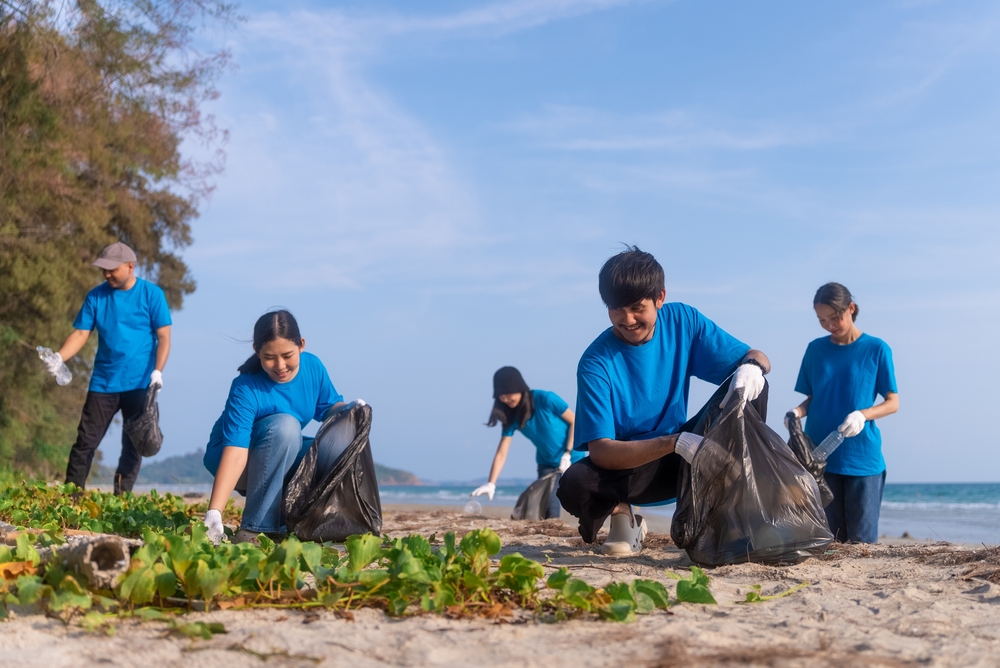
Join a beach clean-up and help keep our oceans litter-free. Shutterstock
Focus on sharing both the story and the concrete impact, such as the total bags of trash collected or the visible restoration of the green space. Showing the practical results inspires others to step outside and do the same.
Creative DIY Demonstrations: Bring your upcycled projects to school. Show your peers how to turn an old, outgrown school uniform into a practical tote bag, or how to transform used plastic bottles into self-watering plant pots for your science project.
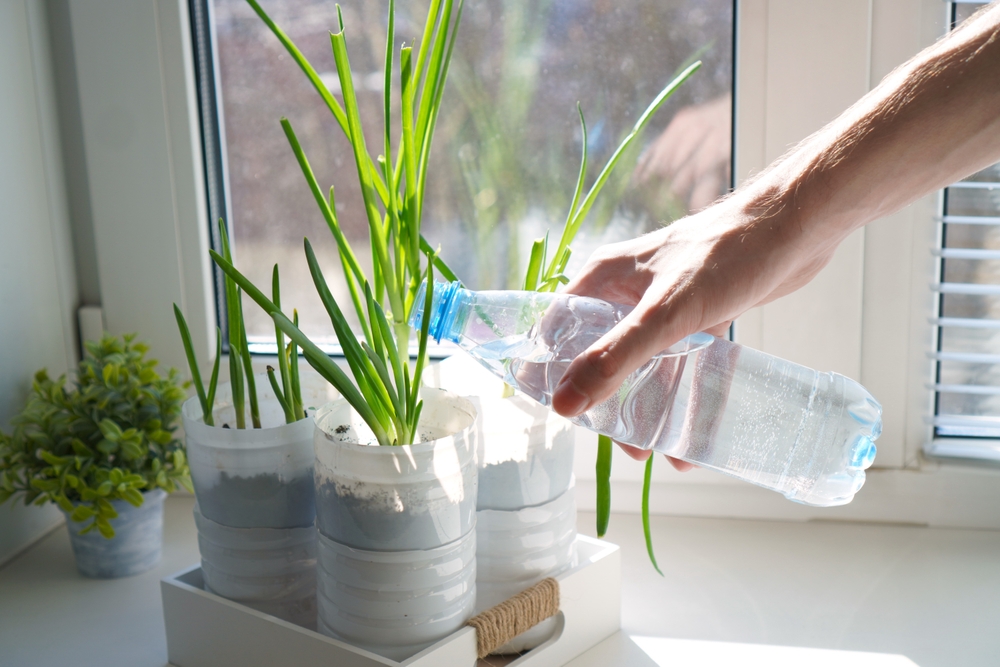
Turn old plastic bottles into self-watering pots and give waste a new purpose. Shutterstock
Seeing a physical object you made with your own hands empowers others to try it themselves.
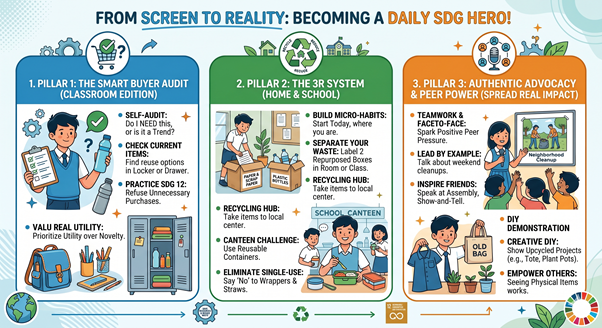
Image was generated using AI.
Conclusion
What truly matters is not how many people talk about an environmental issue or how colourful the posters are on the school wall; it’s how deeply that awareness translates into tangible change for our Earth. The world doesn’t need a handful of people living a flawless green lifestyle just for show. Our planet needs millions of students making small, consistent, and honest changes in the physical world. Let’s make sure every lesson you learn in school becomes real green action in your bedroom, your home, and your neighbourhood!
Prepared by:
Associate Professor Dr Teo Poh Chuin
Azman Hashim International Business School (AHIBS)