Have you ever watched a child crouch down, eyes wide, staring at a tiny leaf, a wriggling worm, or a drifting cloud? That moment, quiet, curious, full of wonder, is exactly where climate education begins.
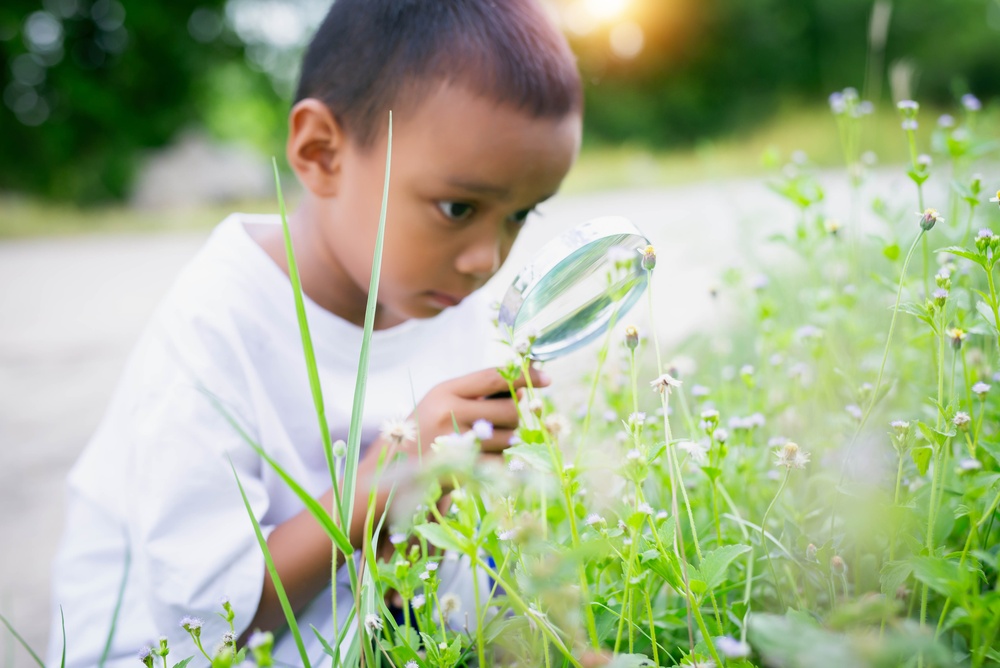
Because climate change is not just something happening “out there.” It’s happening in the soil under our feet, the trees shading our playgrounds, and the rain tapping on classroom windows. And just like the tiny ladybug, small but powerful, children, too, can become everyday heroes for the planet.
For young learners, climate change education is not about complex science or doom-and-gloom statistics; it is about building foundational environmental literacy and empathy for the Earth.
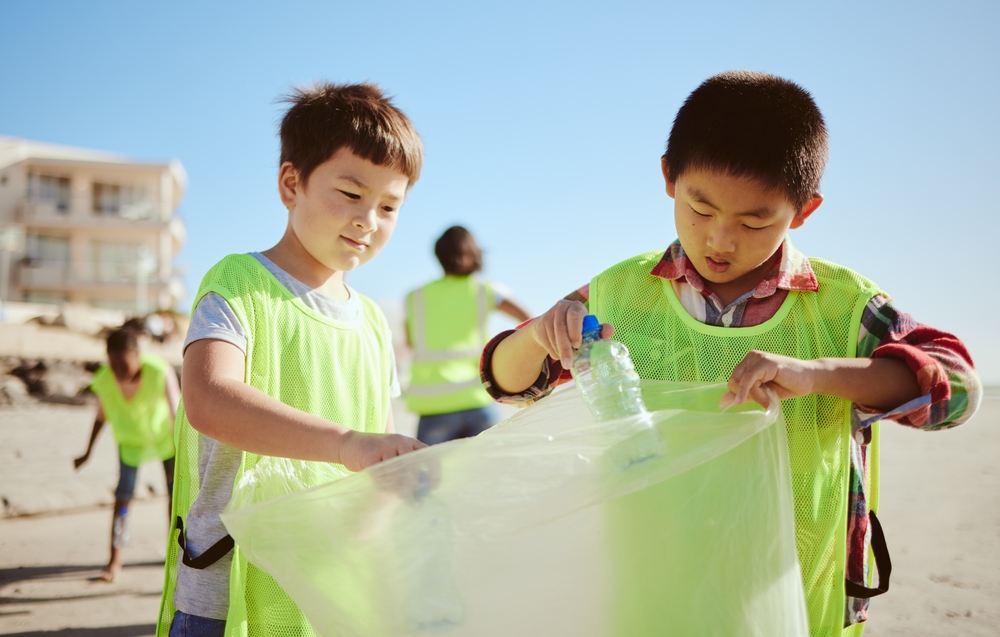
Introducing this topic early matters because early childhood is the critical window for shaping lifelong attitudes. By teaching children about the planet today, we transform them from passive observers into resilient future stewards, turning potential “eco-anxiety” into empowering action.
When learning is rooted in nature, it becomes a story they can see, touch, and feel. Nature-based learning invites children outdoors into gardens, schoolyards, and even puddles after the rain. Here, they don’t just learn about the environment, but they experience it. They notice patterns, ask questions, and slowly begin to understand how everything is connected.
Growing Agency, One Small Action at a Time
Children don’t need to wait until they grow up to make a difference. In fact, the earlier they feel capable, the more confident and hopeful they become. Instead of focusing only on global problems, climate education should highlight everyday, nature-based actions.
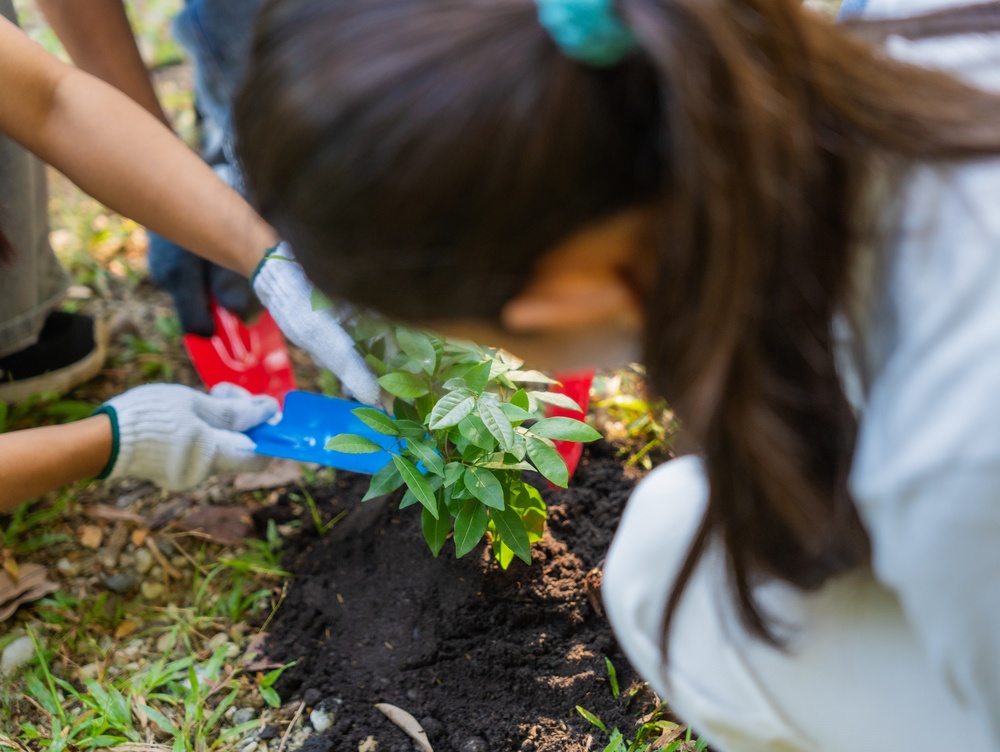
When children engage in tangible, daily routines, like caring for a plant or sorting waste, climate care shifts from an abstract concept into a physical habit. When given choices, responsibilities, and a voice in their immediate environment, they start to see themselves as part of the solution.
Five Simple Activities to Spark Wonder and Action
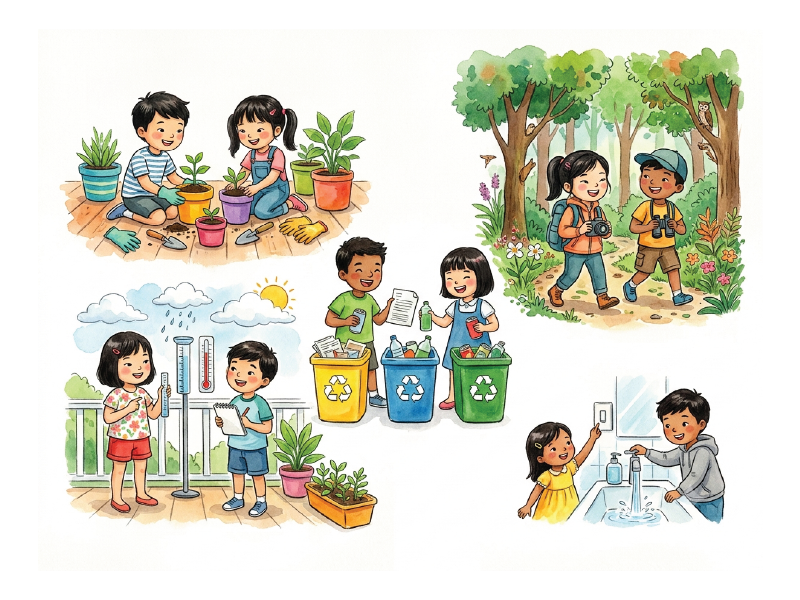
Here are five playful, meaningful ways to bring climate learning to life, bridging the gap between daily wonder and real-world impact:
Grow a Living Classroom
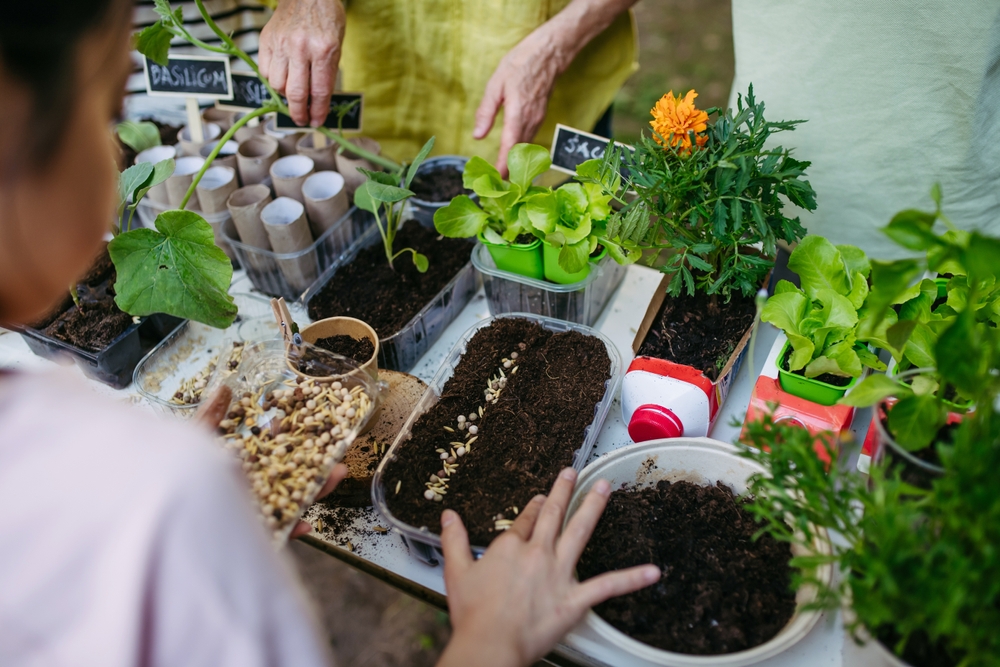
How to do it: Guide children to plant a small container garden with local flowers, herbs, or vegetables. Assign daily roles for watering, weeding, and observing growth.
The Climate Connection: This builds an understanding of biodiversity and carbon sinks. Children witness firsthand how soil and plants sustain life, sparking an initiative to protect green spaces that absorb carbon dioxide.
Become Weather Detectives
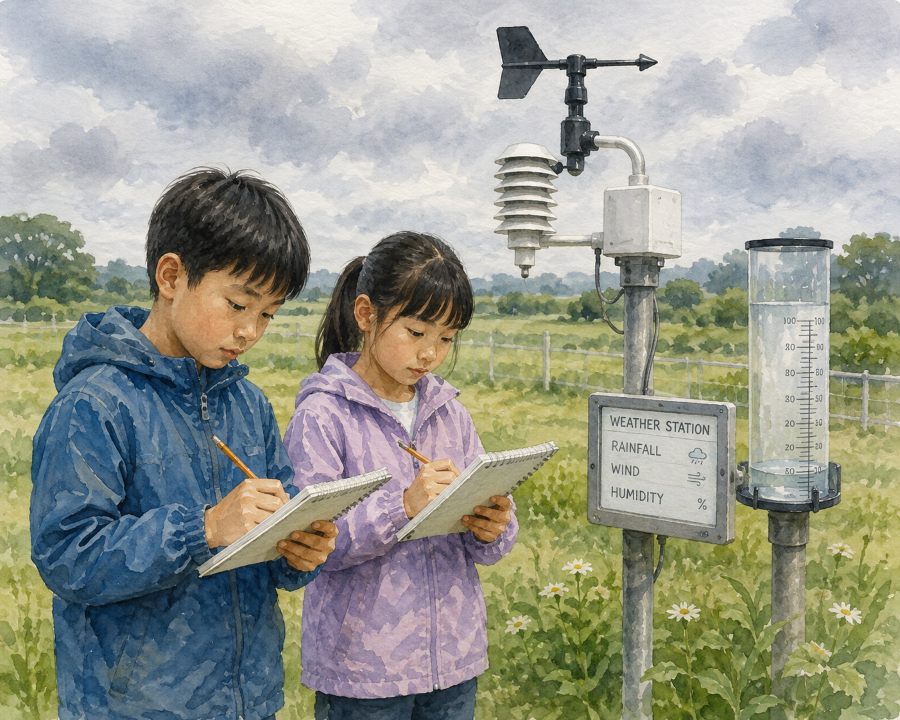
This image was AI-generated.
How to do it: Provide children with a “Weather Journal” to track daily temperature, rain, and wind using simple symbols or charts.
The Climate Connection: Over time, comparing weeks and months introduces the foundational distinction between climate and weather. It sparks wonder about shifting seasonal patterns and prompts critical questions about why our global climate is changing.
Trash to Treasure Mission
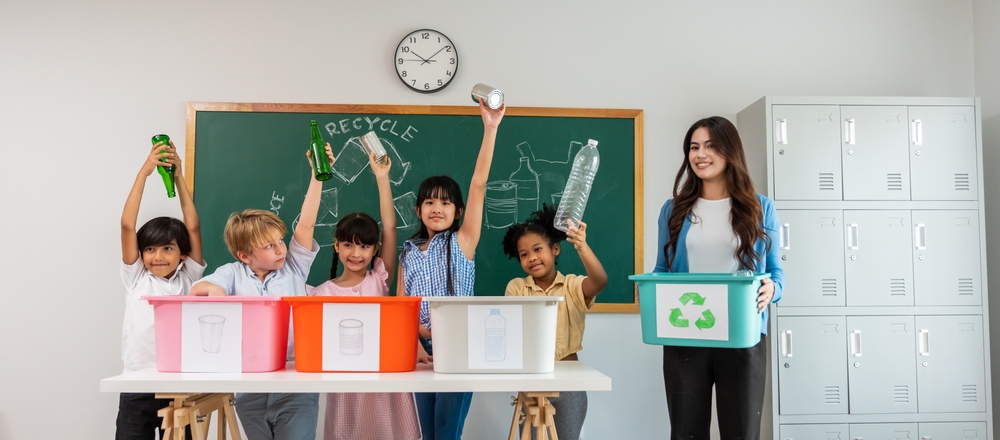
How to do it: Turn waste management into a discovery game. Have students safely sort classroom rubbish into recyclables, compostables, and landfill waste. Challenge them to brainstorm ways to reduce single-use items.
The Climate Connection: This directly connects consumption to greenhouse gas emissions from landfills. By rethinking waste, children take active ownership of reducing their carbon footprint and realise that their choices can prevent pollution.
Nature Walk Adventures
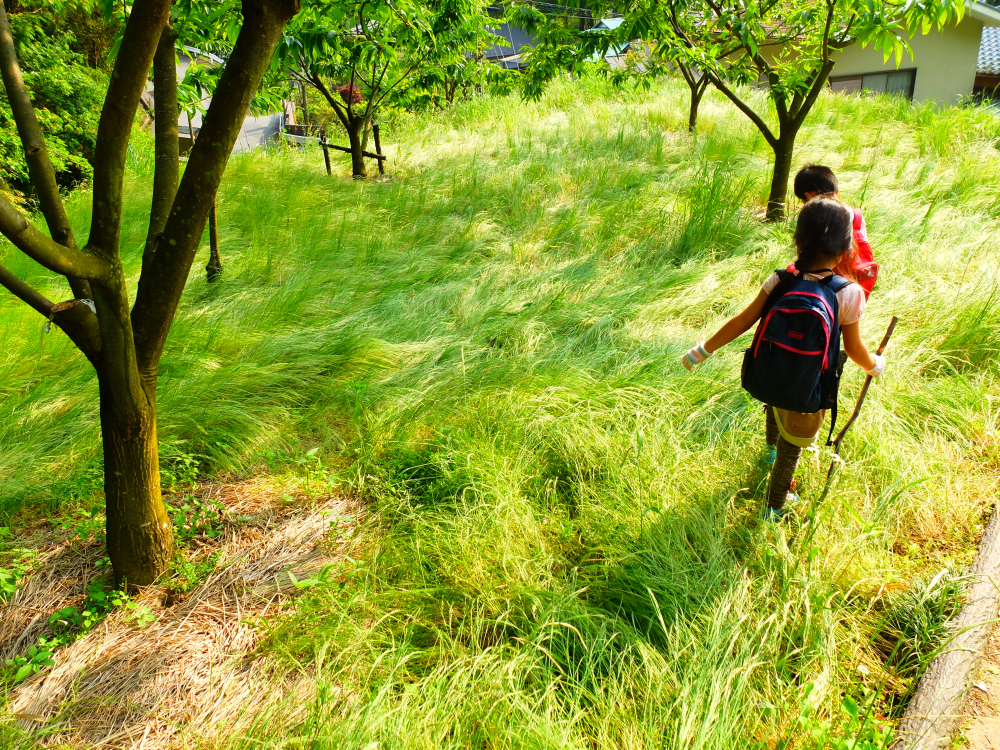
How to do it: Take regular walks in local parks or schoolyards. Use magnifying glasses to observe ants marching, leaves decomposing, or roots holding soil together.
The Climate Connection: You cannot protect what you do not love. These walks build the deep emotional bond necessary for climate stewardship. When children see how trees cool the air and how roots prevent erosion, they realise that nature is our best ally against climate impacts.
Energy Heroes Challenge
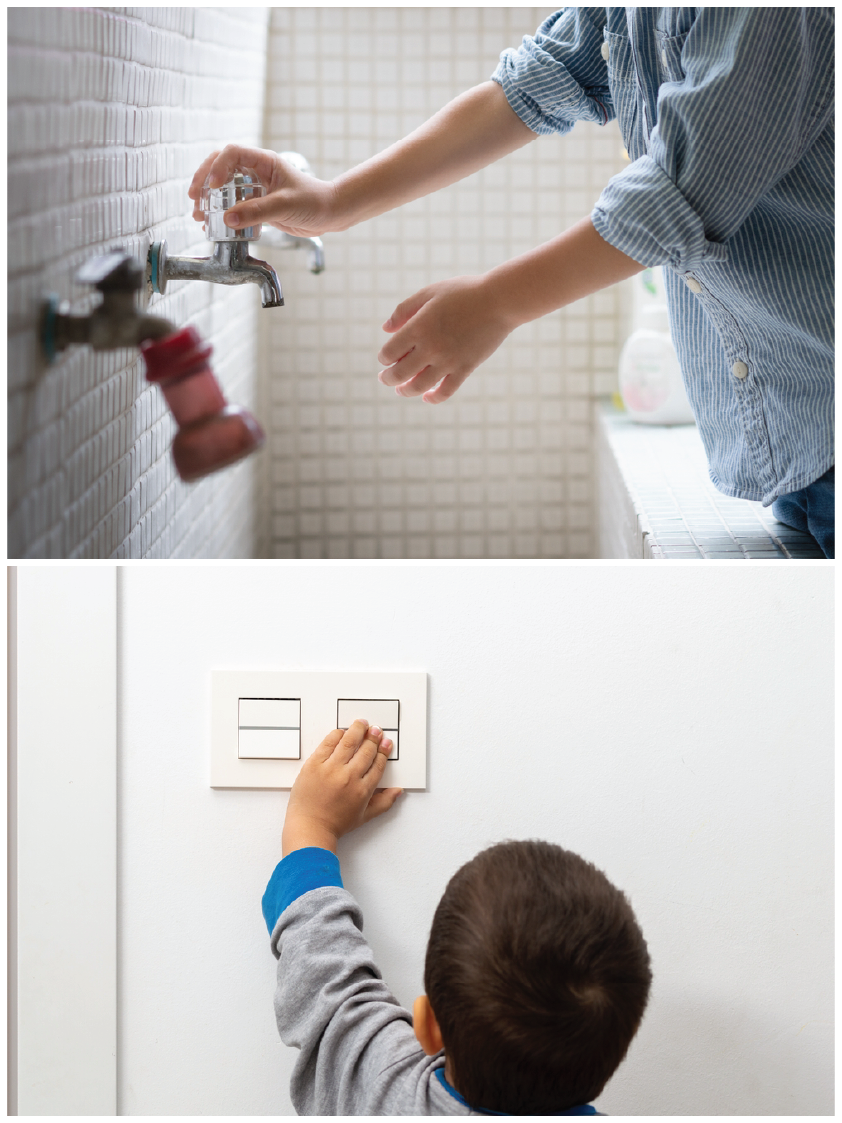
How to do it: Create an “Energy Superhero” chart. Crown children as daily monitors responsible for switching off unused lights, closing doors to preserve room temperature, or turning off running taps.
The Climate Connection: This links daily energy and water consumption directly to fossil fuels and resource scarcity. It empowers children with immediate agency, proving that conserving electricity and water at home directly protects the wider planet.
When children learn through nature, climate change becomes less of a distant concept. It becomes personal. When they are trusted to act, even in small ways, they grow into something powerful, hopeful individuals who believe they can shape the future.
“Sometimes, it starts small.
Sometimes, it starts with a child.”
Prepared by:
Syaza Soraya Sauli