What is TVP?
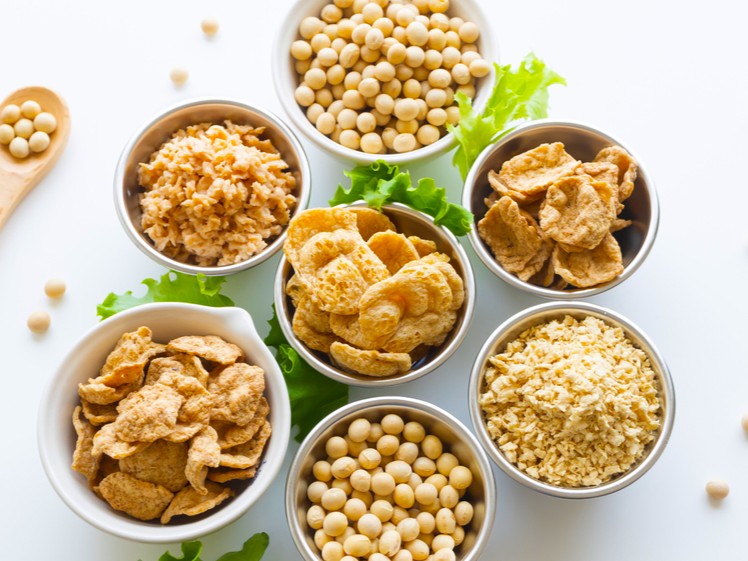
Have you ever wondered if the meat you eat is not animal-based? That’s the secret behind textured vegetable protein (TVP).
TVP is a modern food science innovation that functions as a meat substitute. It is extracted from cereal proteins such as soybeans. TVP is produced through scientific processes such as defatting, extraction, and dehydration.
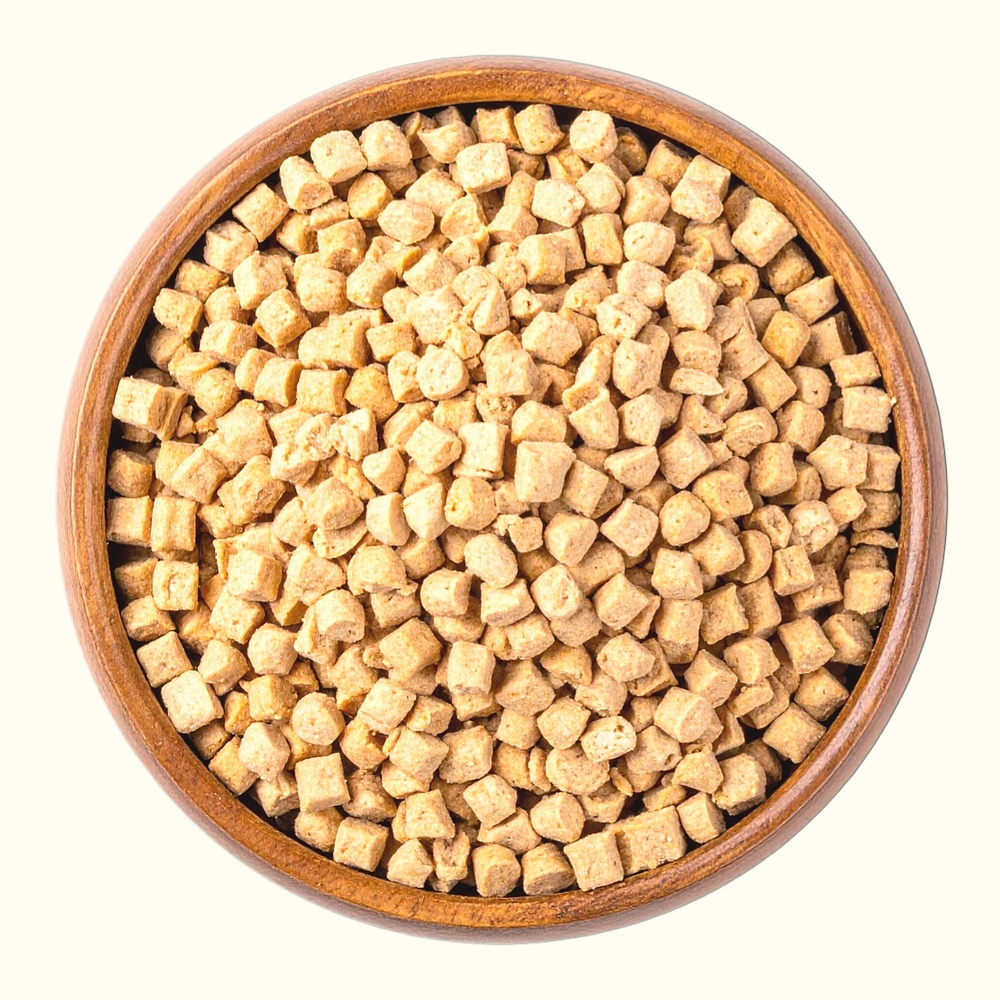
Dry textured vegetable protein. Shutterstock
TVP is a commercial meat substitute to meet the demands of vegans and consumers who want to reduce their meat intake for health or environmental reasons. It is a leading choice because it can rival animal meat in terms of taste, texture, price and nutrition. This product is now found in modern foods such as plant-based burgers and nuggets.
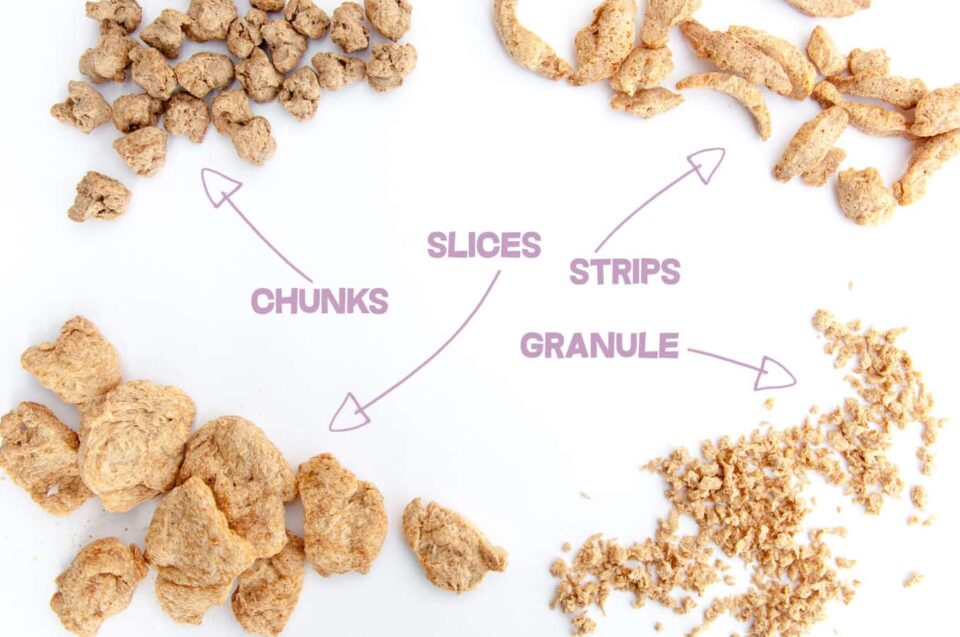
TVP comes in various shapes. Source: Elephantastic Vegan
The production process begins with isolating soybean protein, then defatting and extracting to form a thick soy paste.
The paste is then mixed with water and additives such as flavourings. After that, it is compressed and dehydrated until it becomes various shapes such as granules. TVP needs to be rehydrated before cooking.
Nutritional Value of TVP
Why is TVP frequently used as a meat substitute? TVP offers various beneficial nutritional values due to its high protein content. It contains an estimated 50%–70% protein, depending on the formulation. Protein is essential for muscle building, tissue repair, and body growth.
TVP is also low in fat, especially saturated fat, because it is produced from defatted soy. Additionally, TVP contains no cholesterol, making it a healthy choice for heart health.
In terms of micronutrients, TVP contains iron, calcium, magnesium, and phosphorus, which are vital for blood formation and bone strength. It also contains dietary fibre, which aids digestion and provides a longer-lasting feeling of fullness.
Halal Issues & Muslim Consumer Acceptance
The global food industry is shifting toward TVP as a meat alternative to ensure the principles of Halalan Toyyiban (permissible and wholesome).
Doubts regarding meat quality have arisen due to cartel scandals and poor slaughtering practices, prompting a search for protein sources that are safer and carry lower risks from a Shariah perspective.
TVP is naturally halal and serves as a valuable alternative to overcome issues related to animal slaughter and the risk of meat becoming haram (forbidden) due to weak Shariah compliance.
TVP is also a highly beneficial alternative that aligns with the Toyyib (pure and good) standard, as it is low in unhealthy saturated fats and cholesterol.
However, several obstacles to full acceptance remain. Additives such as flavourings and colourants still require official JAKIM certification.
Additionally, psychological factors play a role; the use of branding or flavour profiles that resemble forbidden elements (such as pork) must be avoided to maintain sensitivity and prevent moral confusion among consumers.
Cost & accessibility comparison (TVP VS Animal meat)
The cost of living is increasing, so consumers can choose TVP because it is more affordable and easier to obtain in the market. From a cost perspective, TVP is cheaper than animal meat because it is made from plants.
For example, soybeans expand after soaking, saving on daily consumption. On the other hand, animal meat such as beef has a high price value due to seasonal factors and livestock supply.
In terms of accessibility, TVP is easily available in supermarkets, health stores and online but is relatively less known to some consumers compared to animal meat.
Animal meat is easily available in wet markets and has become a routine dietary protein. However, TVP offers a nutritious, sustainable alternative to meat because it is easy to store and has a long shelf life, unlike raw meat, which requires refrigerated storage.
TVP as an eco-friendly option
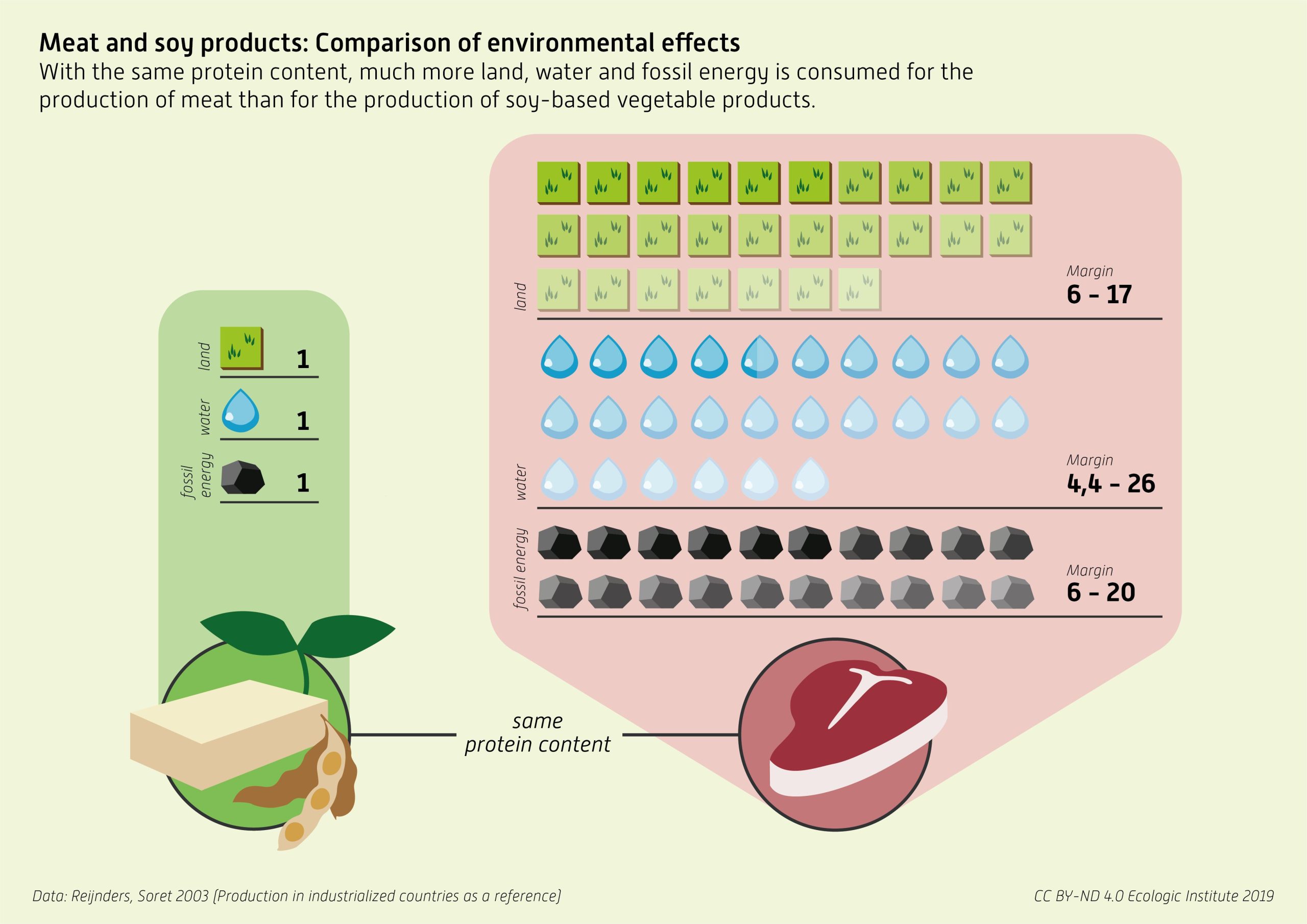
Meat production uses more land, air, and fossil energy than soy products for the same protein content. Source: Ecologic Institute
TVP is widely recognised as a sustainable plant-based protein source due to its strong environmental sustainability benefits. It does not produce excessive greenhouse gas emissions compared to livestock farming, where it is a major contributor to methane and carbon dioxide emissions.
The manufacturing process of TVP uses minimal amounts of energy, water, and land, thereby reducing pressure on natural resources.
In addition, the sources made from defatted soybeans allow manufacturers to maximise raw material usage and reduce agricultural waste, further improving sustainability. Overall, TVP supports a more environmentally friendly and sustainable dietary pattern.
Prepared by:
Muhammad Aiman Haziq, Muhammad Aiman Nazrin, Nur Hanis,
Nur Najihah Huda, Nur Syamimi