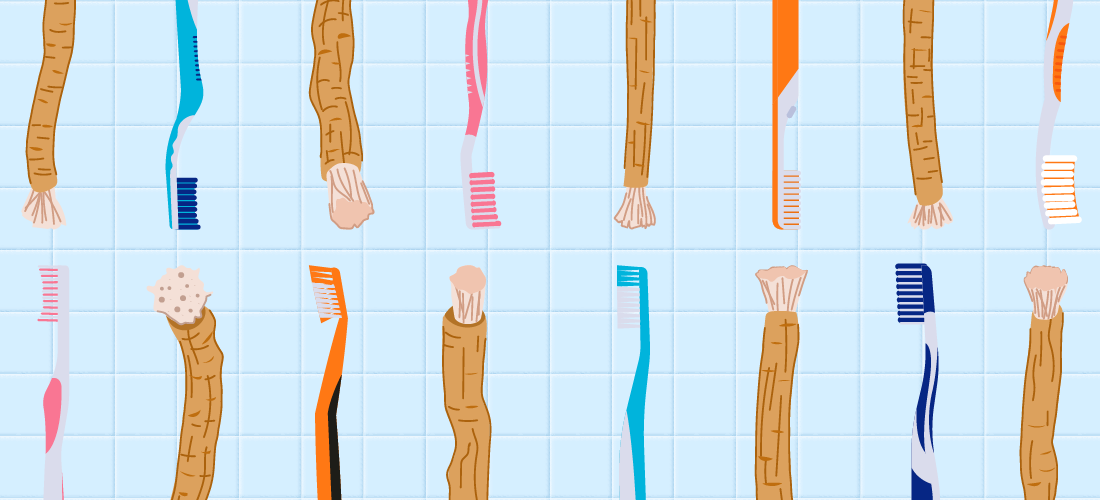
Have you ever wondered why Prophet Muhammad (PBUH) encouraged the use of miswak as part of personal hygiene and recommended it as a Sunnah practice among Muslims?
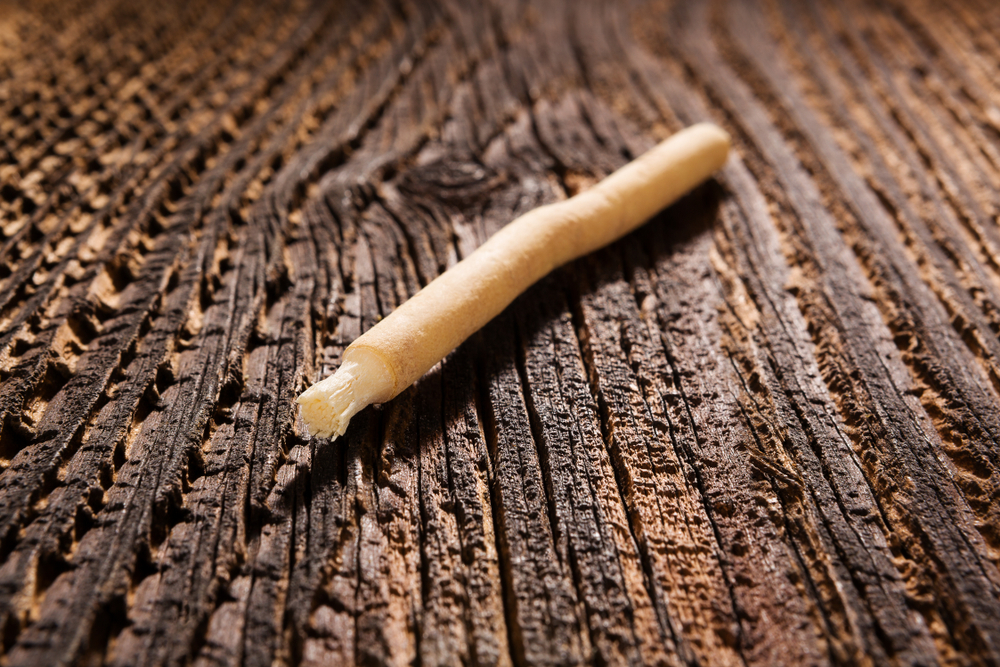
A miswak stick. Shutterstock
While commonly understood within a religious and cultural framework, this ancient practice also reveals a striking alignment with modern scientific, environmental, and public-health concerns.
I did not initially realise the extent of its relevance until I engaged with contemporary scientific literature.
In my own life, miswak represents a low-cost, portable, and chemically self-sufficient oral hygiene tool that integrates seamlessly into daily routines, particularly in contexts where conventional dental products are impractical.
The Growing Problem of Plastic Toothbrushes
Since the introduction of the first plastic toothbrush in the 1930s, global production and disposal have increased dramatically.
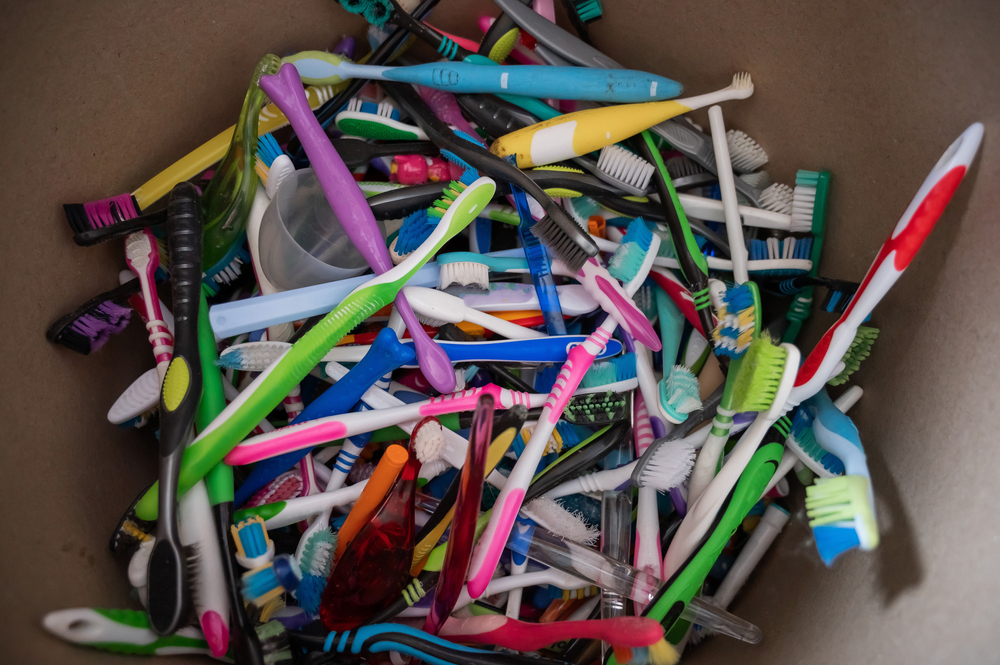
National Geographic reports that over one billion toothbrushes are discarded annually in the United States alone. At the same time, Zero Waste Week estimates that more than 23 billion toothbrushes are thrown away worldwide each year. These figures underscore a largely overlooked contributor to global plastic pollution.
Toothbrushes cause environmental problems at two stages of their life – when they are made and when they are thrown away.
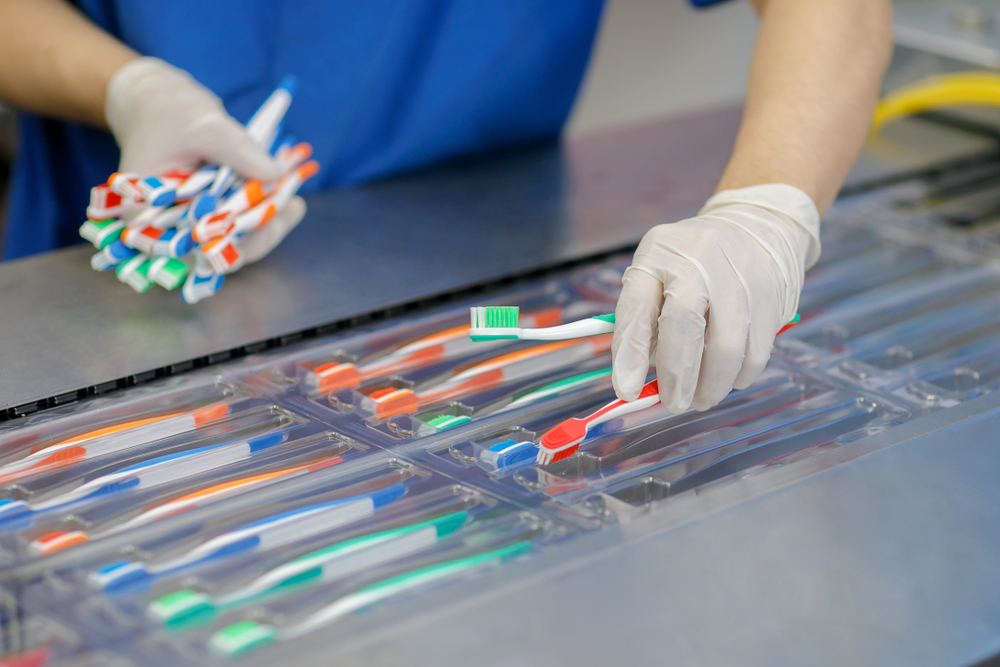
Toothbrushes are predominantly composed of non-biodegradable thermoplastics: nylon for the bristles and polypropylene-based polymers for the handles.
Once discarded, these materials persist in the environment for decades or centuries, contributing to the approximately 350 million metric tons of plastic waste generated each year.
Although plastics are theoretically biodegradable, their degradation rates are so slow that, in practice, they act as persistent pollutants.
In Italy alone, an estimated 3,700 tons of toothbrush plastic waste are generated annually, equivalent to roughly 150,000 large plastic bottles.
Scientists have discovered that our toothbrushes may be a source of tiny plastic particles in the environment.
Beyond visible waste, recent scientific investigations highlight another concern: microplastic contamination.
Microplastics have been detected in toothbrushes, toothpastes, dental floss, and mouthwashes.
Environmental Impact of Toothbrush Waste
During brushing, microscopic nylon fragments (from polymers such as (C₆H₁₁NO)ₙ) may be released, ingested, or flushed into wastewater systems.
These particles can adsorb toxic chemicals, enter aquatic ecosystems, accumulate in marine organisms, and ultimately re-enter the human food chain, raising concerns about long-term health implications.
Introducing Miswak: A Natural Alternative
Miswak is a teeth-cleaning twig derived primarily from Salvadora persica, a plant long used in the Arabian Peninsula and other regions.
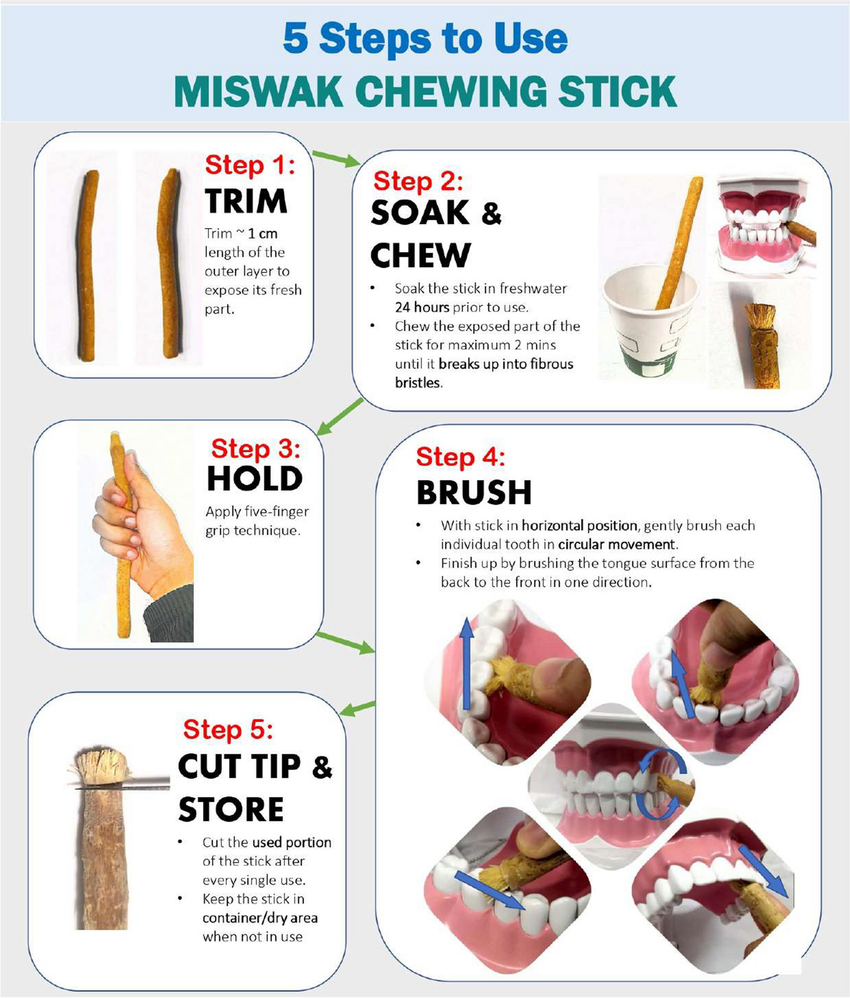
The steps for using the Salvadora persica chewing sticks. Source
From a chemical and biological perspective, miswak is far from a primitive substitute. It contains naturally occurring fluoride (approximately 1.0 μg/g), calcium, phosphorus, silica, alkaloids, tannins, and volatile oils.
The silica component provides mild abrasiveness, facilitating plaque and stain removal, while fluoride and mineral ions support enamel remineralisation.
Importantly, tannins and essential oils confer antimicrobial and anti-inflammatory effects, inhibiting oral pathogens and reducing gingival inflammation.
These properties collectively support oral hygiene through both mechanical and biochemical mechanisms.
Scientific Advantages of Miswak
The contrast between miswak and modern toothbrushes becomes even more pronounced when considering biodegradability.
Miswak is composed largely of cellulose, hemicellulose, lignin, and small amounts of bioactive phytochemicals, as well as structural polymers common to plant fibres.
In soil or composting environments, these materials are readily decomposed by bacteria and fungi through enzymatic processes.
Within weeks to months, miswak breaks down into benign end products such as carbon dioxide, water, microbial biomass, and humic substances, leaving minimal environmental residue.
Nylon, by comparison, resists microbial attack and contributes to long-term plastic and microplastic accumulation.
Challenges in Modern Adoption
Despite its advantages, adopting miswak in contemporary contexts poses challenges.
These include a lack of standardisation in size and quality, limited public knowledge regarding correct usage, perceptions of inconvenience in professional or urban settings, and its marginal presence in formal dental guidelines.
However, these barriers are not insurmountable. Miswak can be used as a complementary oral-care tool alongside toothbrushes and toothpaste, particularly between meals or during travel.
Standardised, hygienically packaged products and evidence-based educational initiatives can further enhance acceptance and effectiveness.
Conclusion
When positioned not as a replacement for modern dentistry but as a scientifically supported, sustainable supplement, miswak emerges as a practical, environmentally responsible, and culturally meaningful approach to oral hygiene in the modern world.
Prepared for e-estidotmy by:
Che Amirul Amri bin Che Mohd Azmi, Mohamad Firdaus bin Hasnizam, Muhammad Adham bin Mohd Adnan, Muhammad Zaquan bin Ramle, Salmiah Jamal binti Mat Rosid, Nurul Najidah binti Mohamed