Introduction
Most people are aware of vitamin C, and many rely solely on fruit juices as an easy, tasty way to get it.
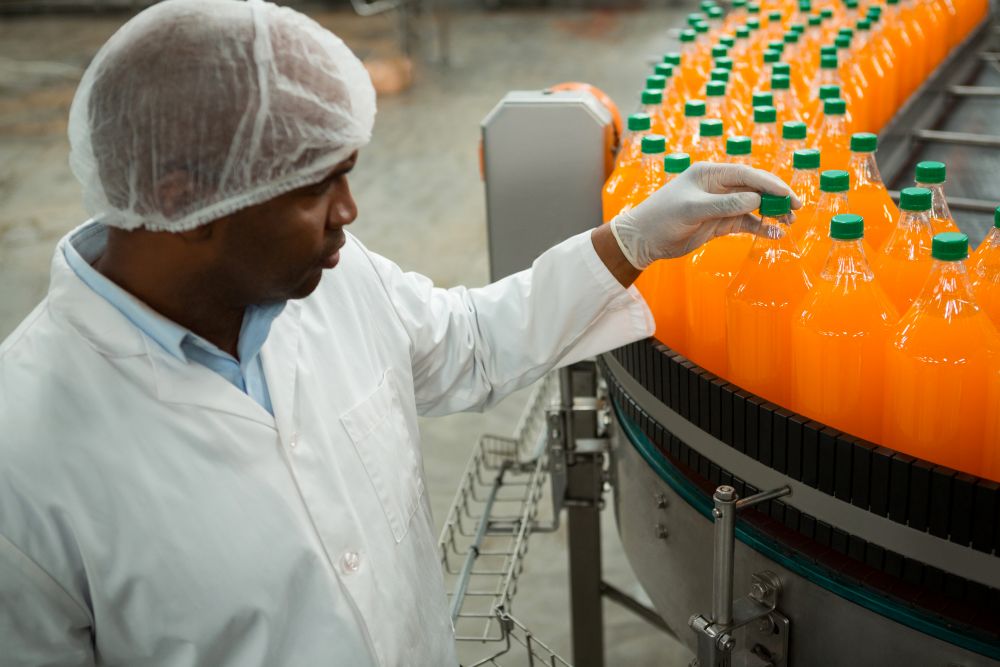
(Freepik)
But the quantity of vitamin C we take for granted in a bottle of juice isn’t necessarily the same as it is in a fresh fruit. Vitamin C must travel a long and complicated path before it can be found in our glass.
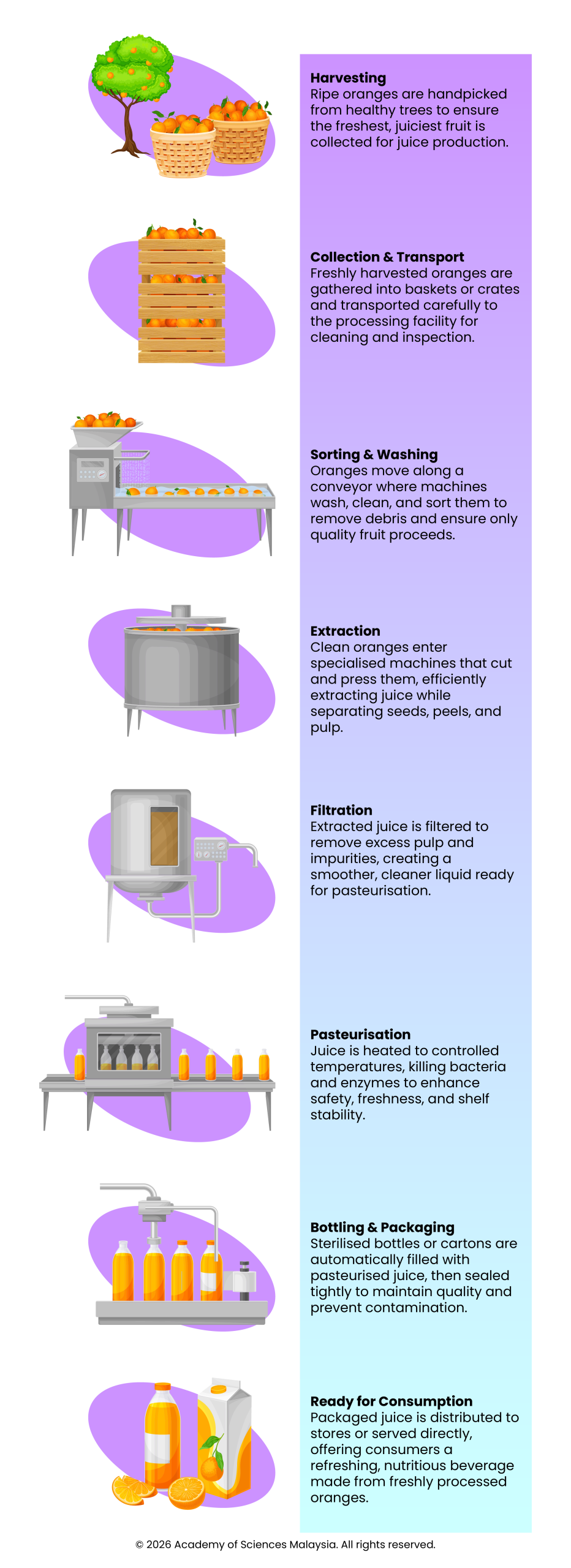
First, it comes from fruit on a tree, which is then removed and processed at a factory. Next, it must be packaged, transported, and stored.
Nutrient encounters a few challenges along the way. When exposed to heat, light, air, or even prolonged storage, vitamin C breaks down very quickly.
Because of these circumstances, the resulting juice’s vitamin C content may change significantly from that of the original fruit.
This raises the main question: how much vitamin C remains after fruit has been fully processed into juice?
Journey of the Juice
Have you ever thought about what happens to the vitamins in the juice that comes from the farm to the fridge in your house?
Vitamin C is at its purest peak in a fresh fruit that is right on the tree. However, as soon as the fruit is picked, its journey begins; time and air begin to steal its goodness.
Vitamin C is very sensitive. Even small changes, such as temperature or exposure to oxygen, can cause the nutrient to begin degrading when the fruit is transported or left waiting. Therefore, the loss begins even before the fruit reaches the factory!
The process of transforming the fruit into juice is the most challenging. When the fruit is crushed, the inside is exposed to even more air, which speeds up the oxidation that breaks down vitamin C.
Then, the pasteurisation process follows. By eliminating harmful microorganisms, this important heat process helps keep the juice safe and prolongs its shelf life.
However, this process results in a significant reduction because vitamin C is heat-sensitive. The juice is sealed in bottles after processing, but storage time, light, and temperature can still break down what is left.
In the end, even if juice is convenient, knowing how it is made shows that the whole fruit itself is always the best source of this valuable nutrient.
Vitamin C Stability and How it Degrades
Vitamin C is like a tiny superhero, but it also has a weakness. When exposed to too much air, water, heat or even light, it will lose its powers.
This happens because of oxidation, a process that degrades vitamin C into a weaker form before it is completely broken down.
It may happen more quickly when food is cooked, left open or stored for a long time.
Vitamin C degrades in two stages: a rapid oxidation phase in the presence of oxygen, followed by a slower degradation phase once oxygen is depleted.
To help vitamin C stay strong, keep foods in the fridge, covered and a little sour. Cooking food gently, such as steaming or microwaving, is also helpful. Some fruits even have natural antioxidants that help make vitamin C more powerful and longer-lasting!
How Much Vitamin C Is Lost?
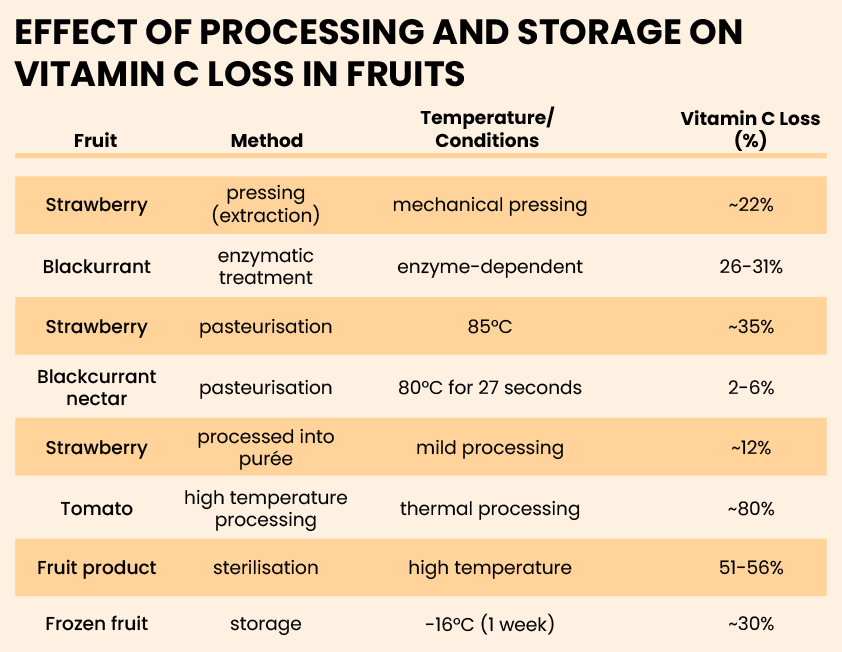
Information adapted from Piechowiak & Balawejder (2021)
Depending on the method and temperature, fruit juice processing can lead to vitamin C loss.
About 22% of the vitamin C was lost during the pressing process of extraction; if enzymatic treatment is applied, this percentage could rise to 26–31%.
Pasteurisation uses a high temperature of 85°C and reduces vitamin C by nearly 35%, with a 2–6% loss at 80°C in 27 seconds.
Vitamin C is somewhat lost when fruits are processed into puree; for example, strawberry puree only loses 12% of its vitamin C content when compared to raw fruit.
Sterilisation of fruit products results in losses of roughly 51–56%, whereas intense heat treatments reduce losses by 80%.
Vitamin C in fruit juice products decreases during storage due to oxidation under refrigerated or low-temperature conditions.
Its loss of about 30% at 16 °C after one week indicates that low temperature also cannot prevent degradation due to oxidative reactions.
Conclusion
Vitamin C plays a key role in maintaining health by supporting the body’s defences and neutralising harmful oxidative compounds.
It is very fragile and easily destroyed. This is why, during commercial juice processing, factors such as prolonged storage, heat treatment, and exposure to oxygen significantly reduce Vitamin C levels.
To get the most benefit, freshly squeezed juice is your best choice, as it hasn’t undergone much heating or storage.
When purchasing packaged juice, select products labelled “not from concentrate” and stored in light-resistant containers, and always keep the juice refrigerated to help preserve more nutrients.
Remember, these small choices can make a big difference in the amount of Vitamin C your body gets. Even so, health guidelines recommend that adults avoid exceeding 2,000 mg per day.
At the same time, smokers require a modestly higher intake to offset increased oxidative stress. It is because smoking increases the amount of Vitamin C the body needs to repair damage caused by free radicals.
Prepared by:
Muhamad Aiman Adli Bin Mohamad Mokhaizal, Muhamad Hakimi Bin Mahat, Muhammad Amar Wafi Danial Bin Mohd Nozmie, Rabiatul Afiqah Binti Rahimie, Rizernyza Binti Karman.