
Climate change is a serious problem affecting everyone on Earth, and one powerful way to fight it is by working towards a “zero carbon” world.
But what does “zero carbon” mean, and how can each of us play a part? Let’s break it down and explore how we can all make a difference.
What Does Zero Carbon Mean?
Think of a seesaw. For it to stay balanced, both sides need to have the same weight. “Zero carbon” works similarly.
It means balancing the amount of carbon dioxide (CO2) released into the air with the amount removed.

This ‘removal’ occurs through natural processes like trees absorbing CO2, or through technology that captures and stores carbon, helping keep the atmosphere in balance.
CO2 is a gas emitted by things like cars, factories, and burning coal for electricity. When too much CO2 is released, it makes the Earth warmer, causing extreme weather like heatwaves, floods, and storms, as well as rising sea levels and the loss of animal habitats.
To keep our planet healthy, we need to ensure we don’t produce more CO2 than we can remove.
How Can We Help Achieve Zero Carbon?
Everyone, including you and me, can help achieve a zero-carbon world by making small changes in our everyday lives. Here’s how:
Save Energy at Home
Consider the energy we use daily, such as turning on lights, charging phones, or using the air conditioner.

We can save energy by turning off lights and fans when leaving a room, using energy-saving light bulbs, and unplugging chargers when not in use.

Using energy-efficient appliances also helps. These small actions, when performed by many people, can significantly reduce CO2 emissions.
Choose Eco-Friendly Ways to Travel
Cars, buses, and motorcycles that run on petrol or diesel release a lot of CO2.

Source: Shutterstock
For short trips, try walking or biking instead of driving. For longer distances, consider public transport such as buses and trains, or carpooling with friends.
Electric cars are another good option because they emit fewer pollutants into the environment.

Think Before You Buy and Throw Away
Every purchase has a hidden environmental cost from manufacturing the product to transporting it; CO2 is released.

Before buying new things, ask yourself if you really need them. Can you reuse something you already have?
When it comes to waste, recycling is key. Recycle paper, plastic, or glass instead of throwing them away.
Reducing food waste is also important. Plan meals carefully and compost food scraps when possible. Less waste means less CO2.
Support Greener Farming and Eating
The way we grow our food affects the planet. For example, raising cattle produces methane (CH4), a powerful greenhouse gas.
Eating more fruits, vegetables, and nuts, and less meat and dairy, can help reduce these emissions.
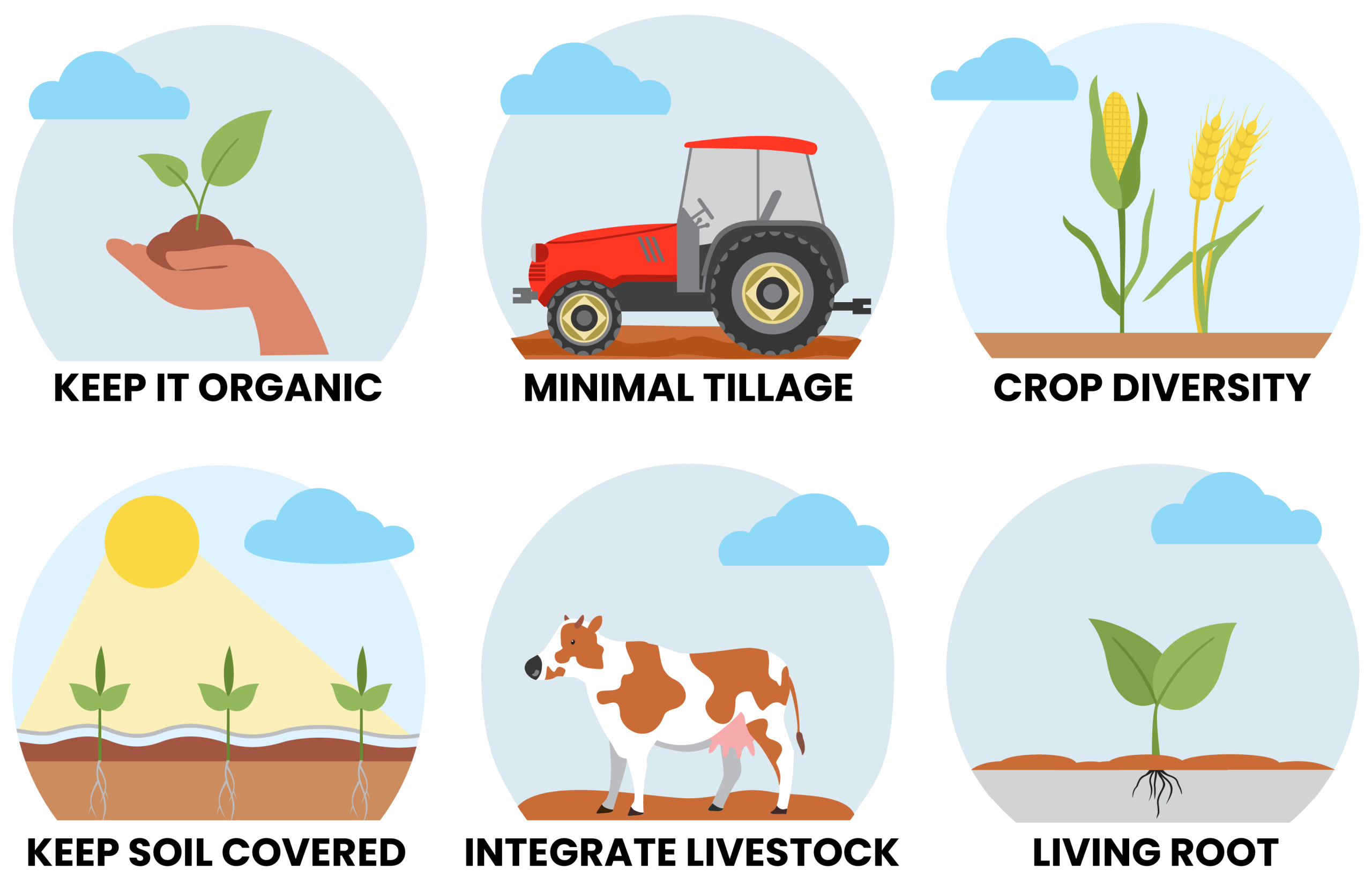
Supporting local farmers who practice sustainable farming, such as using fewer chemicals and protecting nearby forests, helps keep the planet greener and promotes healthier eating.
Raise Your Voice for the Planet
You don’t have to be an adult to make a difference!

You can join your school’s recycling club, take part in tree-planting activities, or volunteer with local groups that clean up parks and beaches.
Talk to friends, family, and teachers about why zero carbon is important.
Create posters or write letters encouraging local leaders to support green policies, like planting more trees or improving public transport.
When young people speak up, they can inspire big changes!
Learn More and Share Your Knowledge
The more we know about climate change and zero carbon, the better we can help. Educate yourself on how everyday actions impact the environment and share what you learn with others.
Encourage family members or classmates to start projects like waste-sorting programs or tree-planting events. When people understand the problem, they’re more likely to act.
Conclusion
Achieving zero carbon isn’t just for scientists, governments, and big companies; it’s something we can all work towards.
By making simple changes in our daily routines like saving energy, choosing greener ways to travel, reducing waste, eating sustainably, speaking up, and learning more, such as reading about environmental issues, attending talks, or following trusted sources, we can help build a cleaner and healthier planet for everyone.
Every small step count, and when we work together, we can make a huge impact. Let’s make our world a greener place, one action at a time!
Prepared by:
Senior Lecturer
Department of Diagnostic & Allied Health Science,
Faculty of Health and Life Sciences,
Management and Science University (MSU)