If you are a science graduate and have no intention of staying in the lab or donning a lab coat, safety helmet, or boots for the rest of your career, fret not. An exciting and colourful career in science communication may be on the horizon. A STEM degree can open doors to many opportunities beyond research and the laboratory.
When I started school in late 70s, little did I know I will be a science communicator. That job and the field was non-existent then. Not even, when I completed my Masters in Biotechnology in 1997.
So, if anyone tells you that your future in STEM is all gloom with disruptive technologies and you will work in a field that is non-existent, solving a problem that has not risen, just stop worrying. This is not new and it happened during all generations.
I am a science communicator, and my job is non-routine and takes me around the globe. I have travelled to every continent except for Antarctica.
I have engaged with politicians, policymakers, students, media, teachers, scientists, farmers, religious scholars, investors, industry players, non-governmental organisations, the general public, and doctors as my audience.
I still remember how nervous I was during my first presentation. Today, I have even spoken at the European Parliament. This is the life of a science communicator.
Our job is to speak to and engage non-technical audiences, simplifying and helping them understand science. Why do we do this?
We want policymakers and politicians to develop science-based policies and regulations that will support the development of new technologies.
We want teachers to understand the latest developments in science so that their classrooms are not based solely on textbooks.
We want farmers to adopt new agricultural practices. We want the mass media to write about science with great accuracy and avoid spreading misinformation.
We want religious scholars to clear doubts about science. Remember the “halal” issues about vaccines during the pandemic, and the infodemic or misinformation about COVID-19.
These are just some of the reasons why science must be communicated to various members of the public.
There are many careers one could choose in science communication. Hollywood engages science consultants when making sci-fi movies. Sean Michael Carroll, an American theoretical physicist, is one of them. He was the scientific consultant for Avengers: Endgame, which features time travel in the pursuit to reverse the actions of a character who plans to destroy planet Earth.
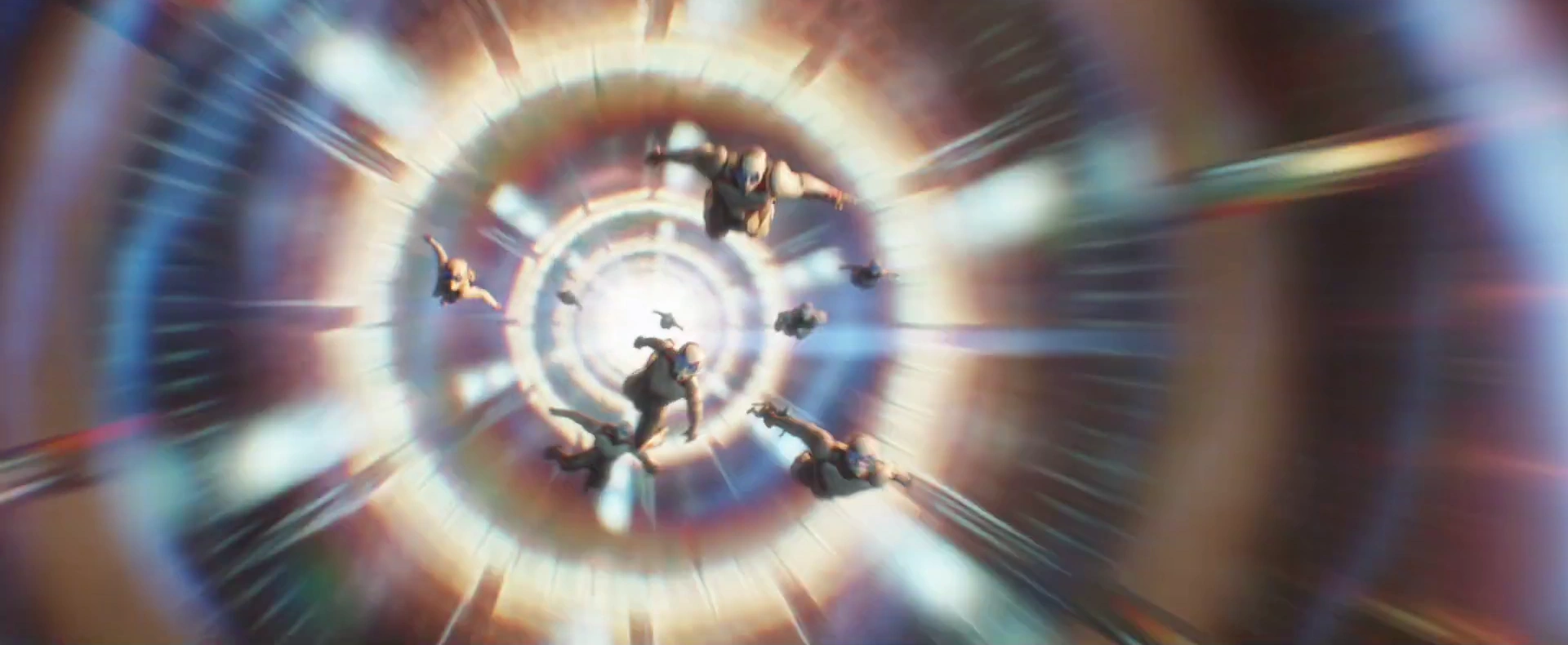
Source: Marvel Wiki
Caroll had to make sure the movie depicted a more accurate and logical scenario of what time travel would look like, and that it was entertaining enough. Imagine advising directors and actors and working with them. What’s more, your name appears in the movie. National Geographic also hires science consultants and reviewers. These jobs will take you places.
Having a clown, stand-up comedian, dancers, or any other performers is common at parties, weddings and even corporate events. How about someone who could perform science tricks and then provide an interesting explanation? Creative STEM graduates could start their own event companies and provide this service.
One could also be a science journalist, editor, TV producer and host for science programmes and media. You will be in the limelight, travel to different places and meet new people every time. I am the editor-in-chief of a newspaper that I founded, The Petri Dish.
I am also a trainer who trains scientists, journalists, teachers, industry professionals, and policymakers in science communication.
I have done training in different parts of the world, and I enjoy meeting new people. You can start your own consultancy to do this.
My PhD supervisor, who is a science communication consultant, gets invited to speak about science on cruise ships to keep the passengers entertained, and he did this on an Antarctic cruise – all paid for on top of his fee. I am waiting for my invitation!
With the rapid advancement of science and technology, many people, including politicians, fear for the future.
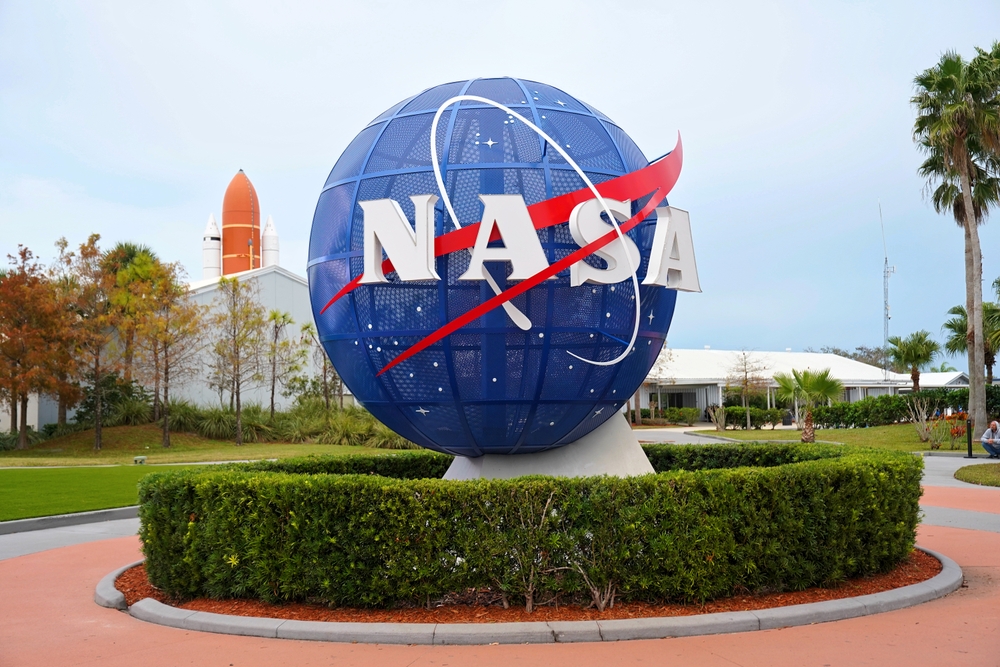
Agencies like NASA have a team of science communicators. International research organisations too have science communicators.
All UN agencies related to science hire science communicators. They communicate research, new products, and technologies within their agencies to dispel fear and build public awareness and acceptance.
I was a consultant to the UN Food and Agriculture Organisation for three years, where I worked with the Sri Lankan government.
These are just a few examples. The opportunities are limitless. Now, you may have a question. How do I become a science communicator?
Have a strong passion and interest in science. Brush up your language skills. It can be any language you wish to communicate science in. The English language takes you across the globe. There is no basic degree in science communication.
With any degree in STEM, you can acquire science communication skills through short courses or by pursuing a Master’s in this field.
One can also be a science communicator with a degree in mass communication or journalism.
While my PhD is in science communication, most of my skills were acquired simply through practice and reading journals and articles on science communication.
Science communication can also be carried out while pursuing a career as a scientist, working in the STEM corporate sector, as a teacher, or even as a technopreneur.
So, it is just for anyone who is a great storyteller and fascinated with science. Once you are involved in engaging a broader audience, you will be hooked. Try it! 🐝