
The history of Earth’s oceans began after the planet formed about 4.5 billion years ago. It cooled enough for water vapour to condense into liquid oceans. The ocean is not just where the land happens to be covered by water. The sea floor is geologically distinct from the continents. It is locked in an iycle of birth and destruction that shapes the ocean and controls much of the geology and geological history of the continents.
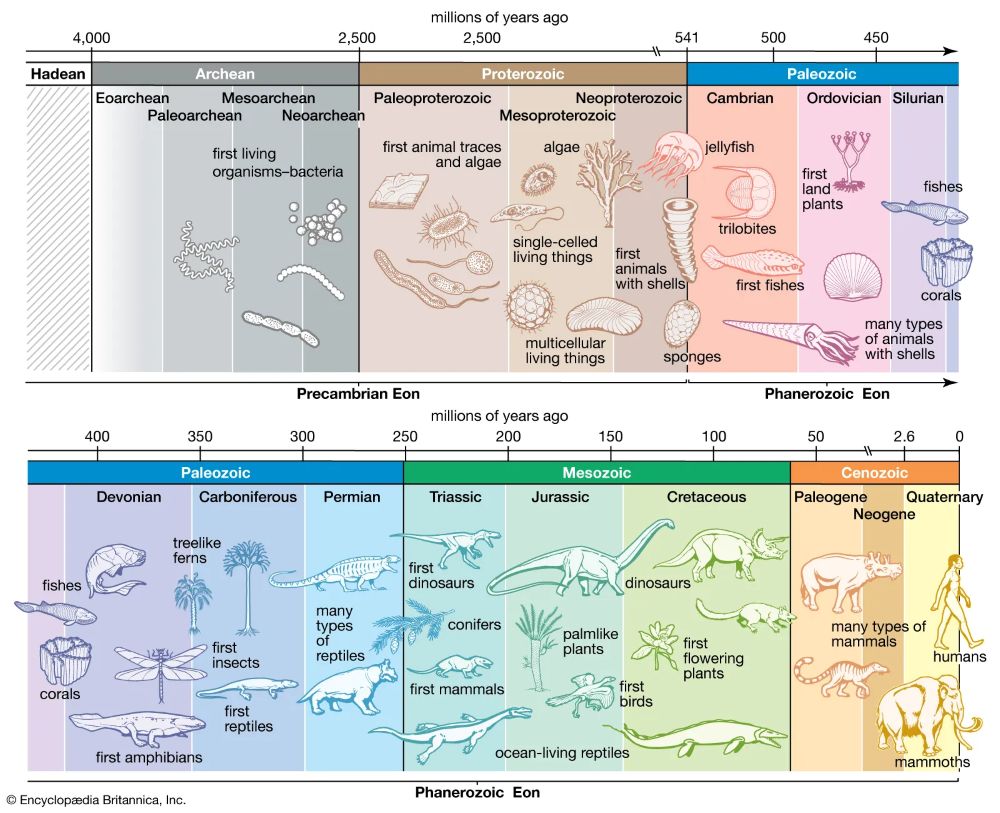
Geological processes beneath the sea affect not only marine life but also life on land. The processes that mould ocean basins occur slowly, over tens and hundreds of millions of years.
On this timescale, where a human lifetime is just a blink of an eye, solid rocks in Earth’s mantle slowly deform and flow over millions of years, allowing continents to drift and mountains to rise. To understand the sea floor, we must learn to adopt the unfamiliar perspective of geological time.
Geology
Geology plays a crucial role in marine biology. Geological processes directly influence habitats and the distribution of organisms. The form of coastlines, the depth of the water, whether the bottom is muddy, sandy, or rocky, and many other features of a marine habitat are determined by this geology.
The abundance of liquid water makes Earth unique among the planets of our solar system. Most other planets have very little water, and on those that do, the water exists only as perpetually ice or as vapour in the atmosphere.
The Earth, on the other hand, is very much a water planet. The ocean covers most of the globe and plays a crucial role in regulating our climate and atmosphere. Without water, life itself would be impossible.
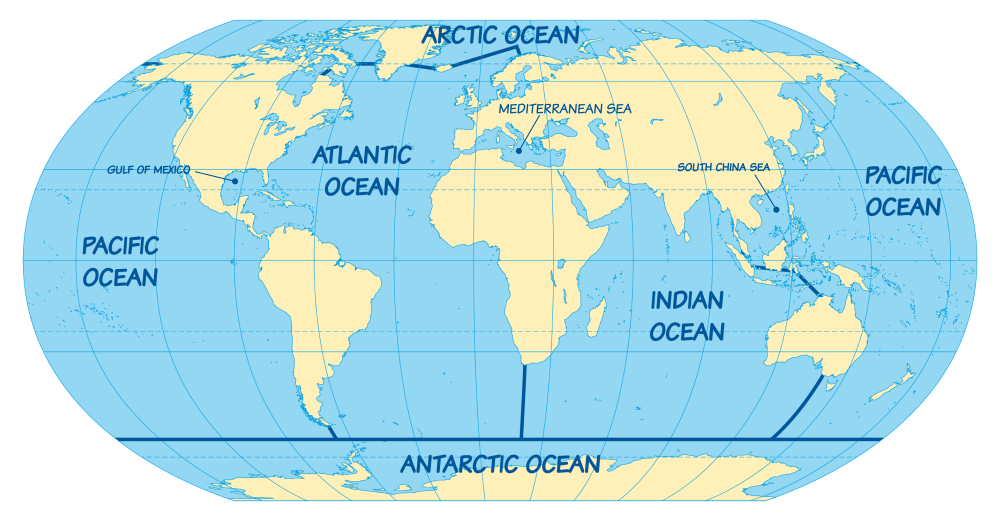
The ocean is traditionally divided into four main basins—the Pacific, Atlantic, Indian, and Arctic. However, recently scientists have recognised a fifth: the Southern (or Antarctic) Ocean. The Pacific is the largest and deepest, almost as large as all the others combined. The Atlantic is slightly larger than the Indian Ocean, and the Arctic is the smallest and shallowest.
The Big Bang
The Earth and the rest of the solar system are believed to have formed approximately 4.5 billion years ago from a cloud or clouds of dust. The Earth and the rest of the solar system formed about 4.6 billion years ago from a cloud of gas and dust left behind by earlier generations of stars, long after the Big Bang that created the universe about 13.8 billion years ago.
Within this cloud, tiny dust grains began to stick together through static and gravitational forces, gradually forming pebble-sized clumps. Over millions of years, these clumps merged intoand eventually formed the planets, including Earth.
The dust particles collided, merging into larger particles. These larger particles collided in turn, joining into pebble-sized rocks that collided to form larger rocks, and so on. The process continued, eventually building up the Earth and other planets.
Density
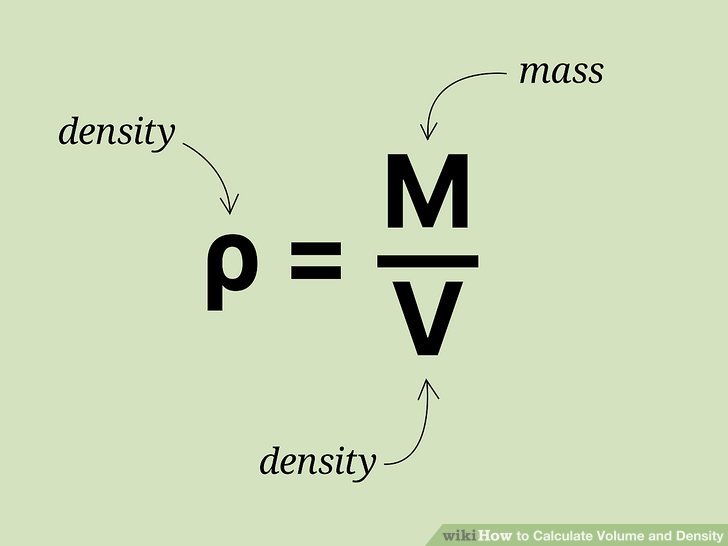
The density of a substance is calculated by dividing its mass by its volume. When two substances are mixed, the denser material tends to sink, while the less dense material floats.
While the young Earth was molten, the densest material tended to flow towards the planet’s centre. In contrast, lighter materials floated towards the surface.
The light surface material cooled, forming a thin crust. Eventually, the atmosphere and oceans began to form. Earth orbits the Sun within the “habitable zone,” where temperatures allow liquid water to exist. Closer to the Sun, water would mostly exist as vapour; farther away, it would freeze. Earth’s climate stability also depends on atmospheric greenhouse gases, which help maintain the right balance for liquid water. Fortunately for us, our planet orbits the Sun in the habitable zone in which liquid water can exist. Without liquid water, there would be no life on Earth.
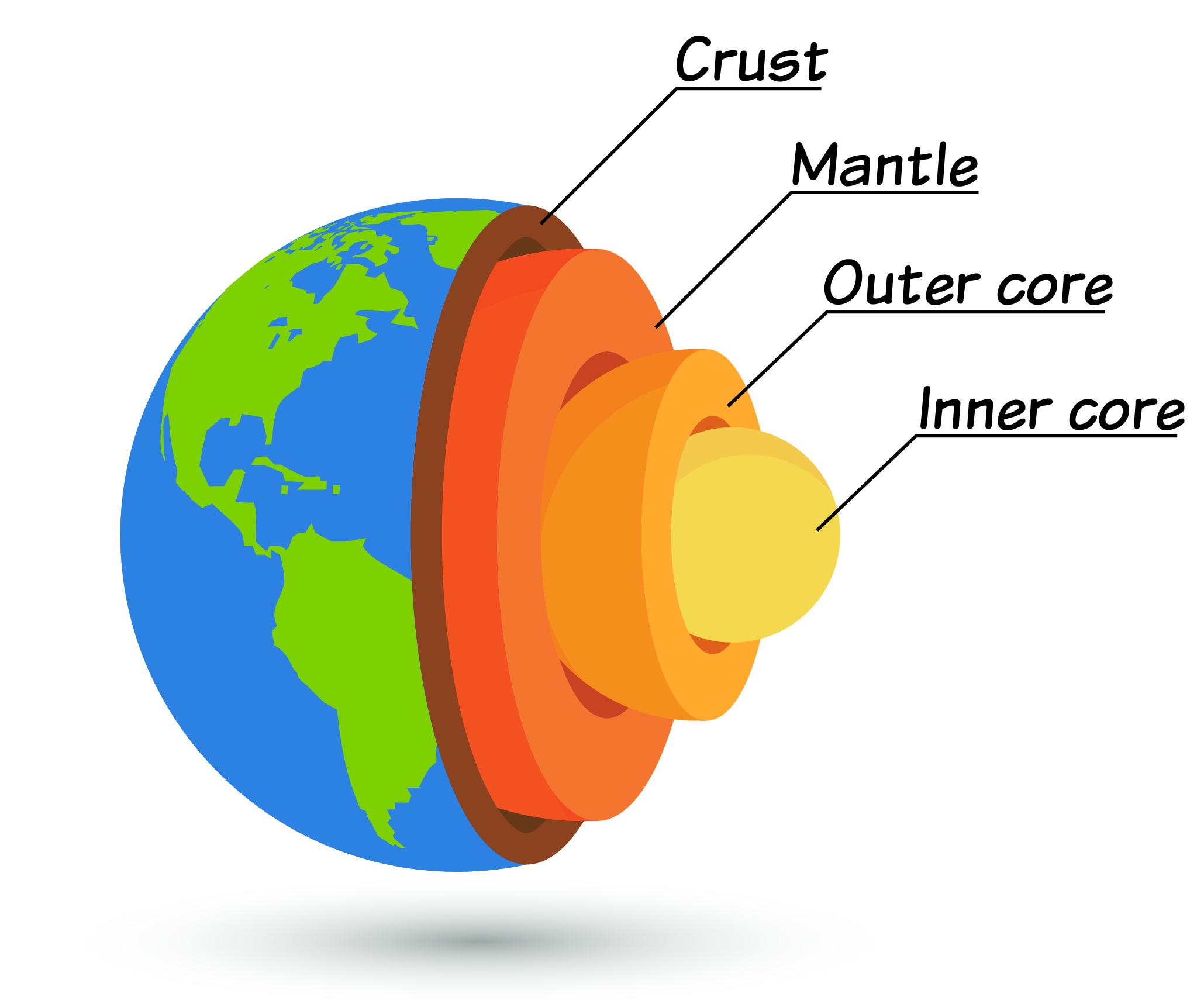
The Earth is composed of three main layers:
- the iron-rich core,
- the semiplastic mantle and
- the thin outer crust.
The crust is the most familiar layer of Earth. Compared to the deeper layers, it is extremely thin, like a rigid skin floating atop the mantle. The composition and characteristics of the crust differ greatly between the oceans and the continents.
The geological distinction between oceans and continents is caused by the physical and chemical differences in the rocks themselves, rather than by whether the rocks are covered with water.
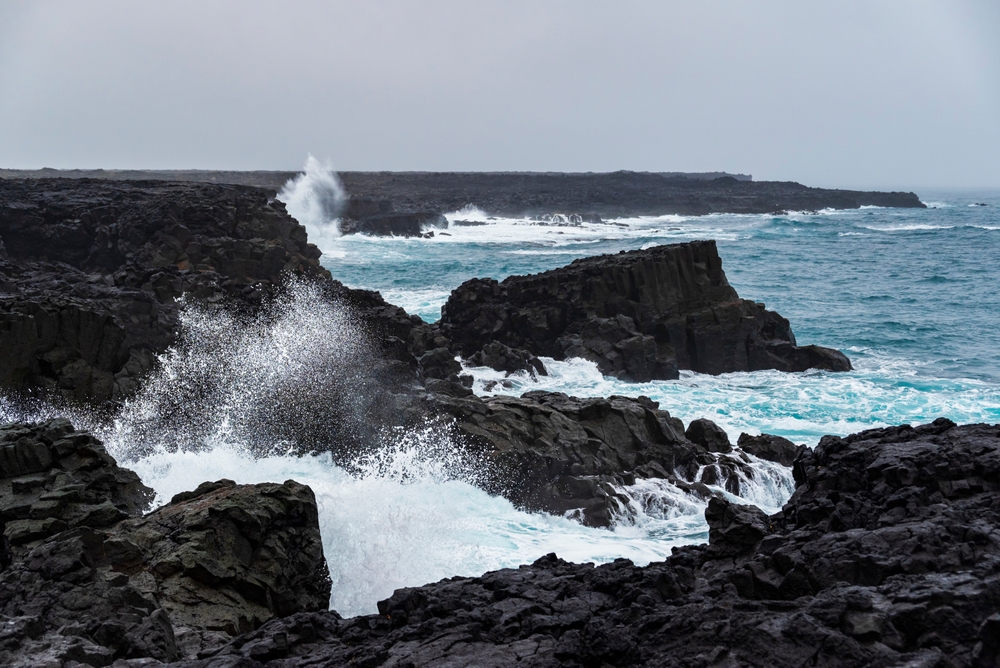
The part of Earth covered with water (the ocean) is so because of the nature of the underlying rock. The oceanic crust that forms the sea floor is mostly composed of basaltic rocks, which are dark and dense. Continental crust, in contrast, is made up of a wide variety of rocks but is generally richer in lighter minerals, such as those found in granite.
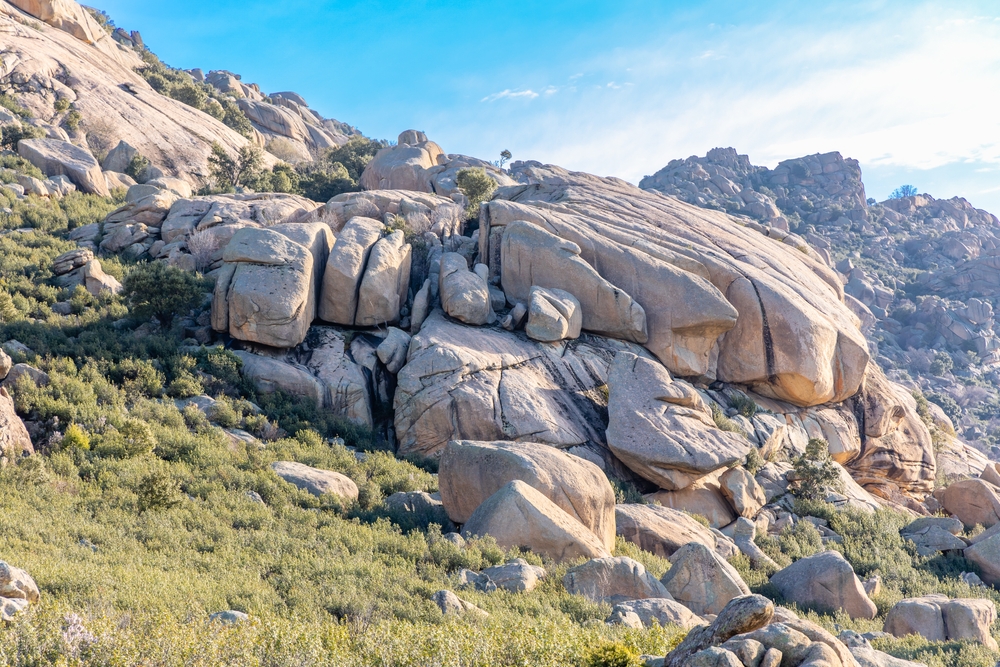
Ocean crust is denser than continental crust, though both are less dense than the underlying mantle.
The continents can be thought of as thick blocks of crust floating on the mantle, much like icebergs float in water. Oceanic crust floats on the mantle, too, but because it is denser, it doesn’t float as high. This is why the continents lie high and dry above sea level, while the oceanic crust lies below sea level and is covered by water.
INFO
Our ocean covers about 71 % of Earth’s surface. Water and land are not evenly distributed: about 61% of the Northern Hemisphere is ocean, while about 81% of the Southern Hemisphere is ocean. Nearly two-thirds of Earth’s land area lies in the Northern Hemisphere.
FACTS
Though we usually treat the oceans as four separate entities, they are actually interconnected. This fact is most easily visible when looking at a map of the world from the South Pole.
This article was published in the October 2006 issue of estidotmy and was written by Khairunnisa Sulaiman. The article has been edited for brevity and clarity.