From discovering a passion for electrical engineering in secondary school to supporting large-scale solar projects across Southeast Asia, Mr Bonn Mailin’s journey reflects engineers’ evolving role in the renewable energy sector. Today, he combines technical expertise, hands-on experience and continuous learning to help advance cleaner, smarter energy solutions.
What inspired your career in STEM?
My journey into STEM began when I enrolled at SM Teknik Keningau in Form 4 and chose the Engineering stream. That was when I discovered my passion for understanding how electrical systems work and how technology can solve real-world problems.
After secondary school, I continued my studies in Electrical and Electronic Engineering at Universiti Teknologi Malaysia (UTM), Jalan Semarak. I later earned my Bachelor’s Degree in Electrical and Electronic Engineering from Universiti Tenaga Nasional (UNITEN), Bangi.
Looking back, every step of my education strengthened my interest in engineering. It motivated me to build a career that contributes to society through technology.
What is your educational background? Where do you work now, and what interests you the most about your work?
I graduated with a Bachelor’s Degree in Electrical and Electronic Engineering from UNITEN Bangi in May 2012, after beginning my studies there in November 2008. Since then, I have worked with several engineering companies and gained valuable experience across different areas of the industry.
Today, I am a Distribution Service Manager at Sungrow Power Supply (Malaysia) Sdn. Bhd., a company specialising in renewable energy solutions. My role involves supporting distributors, providing technical expertise, troubleshooting engineering issues, and ensuring our solar energy products perform reliably for customers.
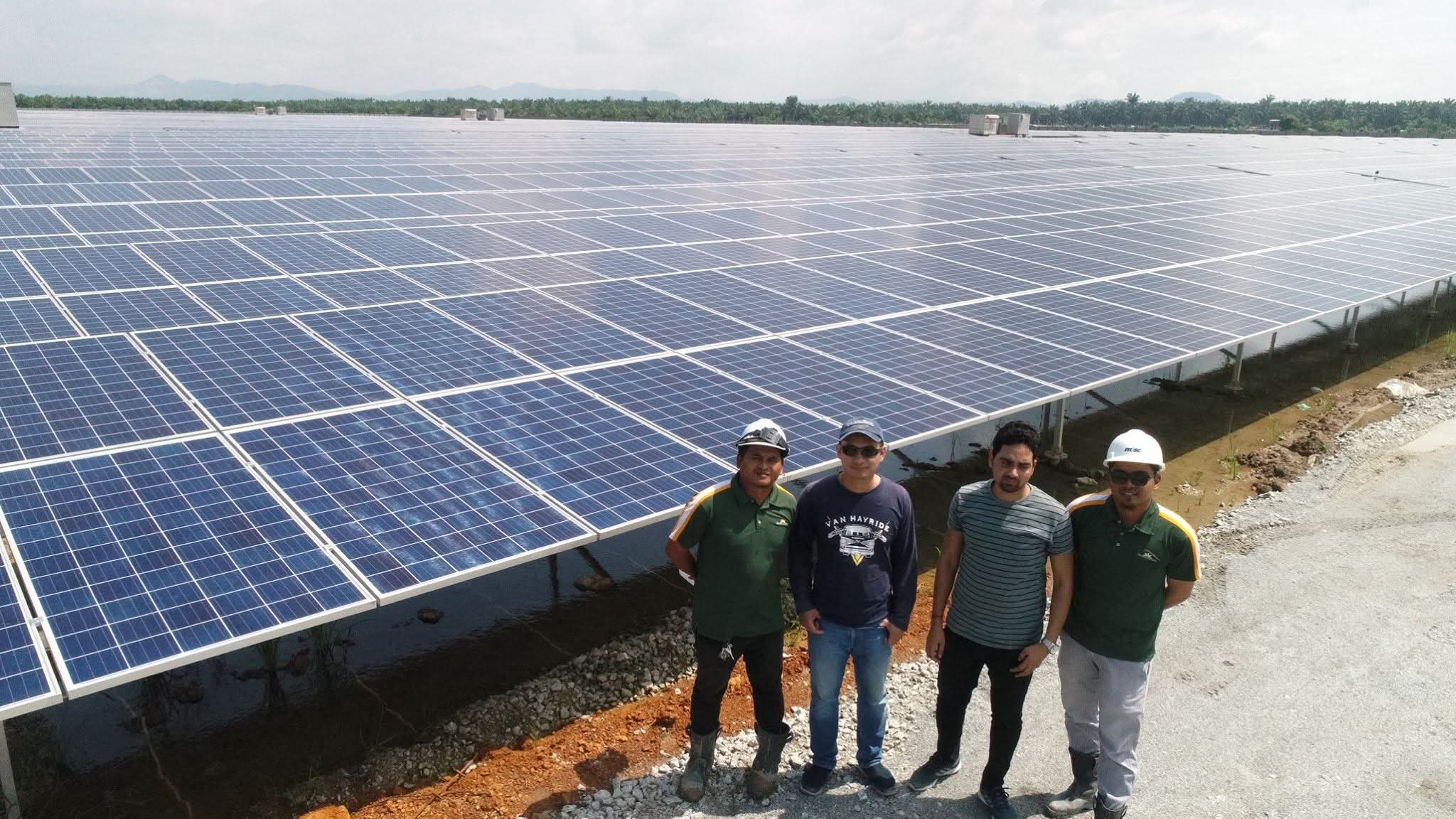
20 MWac large-scale solar photovoltaic (LSSPV) project in Seberang Perai Selatan, November 2018.
What excites me most is being part of the renewable energy industry. Every project we support helps generate clean electricity from sunlight, contributing to a greener and more sustainable future for Malaysia and the world.
What area of research do you do, and why is it important to society?
Although I am not a full-time researcher, my work is closely related to engineering development and continuous product improvement. I have worked with Sungrow for around nine years, and during that time I have witnessed remarkable advancements in solar inverter technology.
New generations of products are becoming more efficient, smarter, safer, and more reliable compared with earlier designs. One important part of my job is collecting product feedback and technical issues from customers and field engineers.
We compile this information and work closely with our Research and Development (R&D) team so that they can improve future product designs and develop better solutions.
This continuous improvement benefits society because more efficient, reliable solar energy systems can increase renewable energy adoption and support global efforts to reduce carbon emissions and combat climate change.
What are some of the biggest challenges you have faced in your work, and how did you address them?
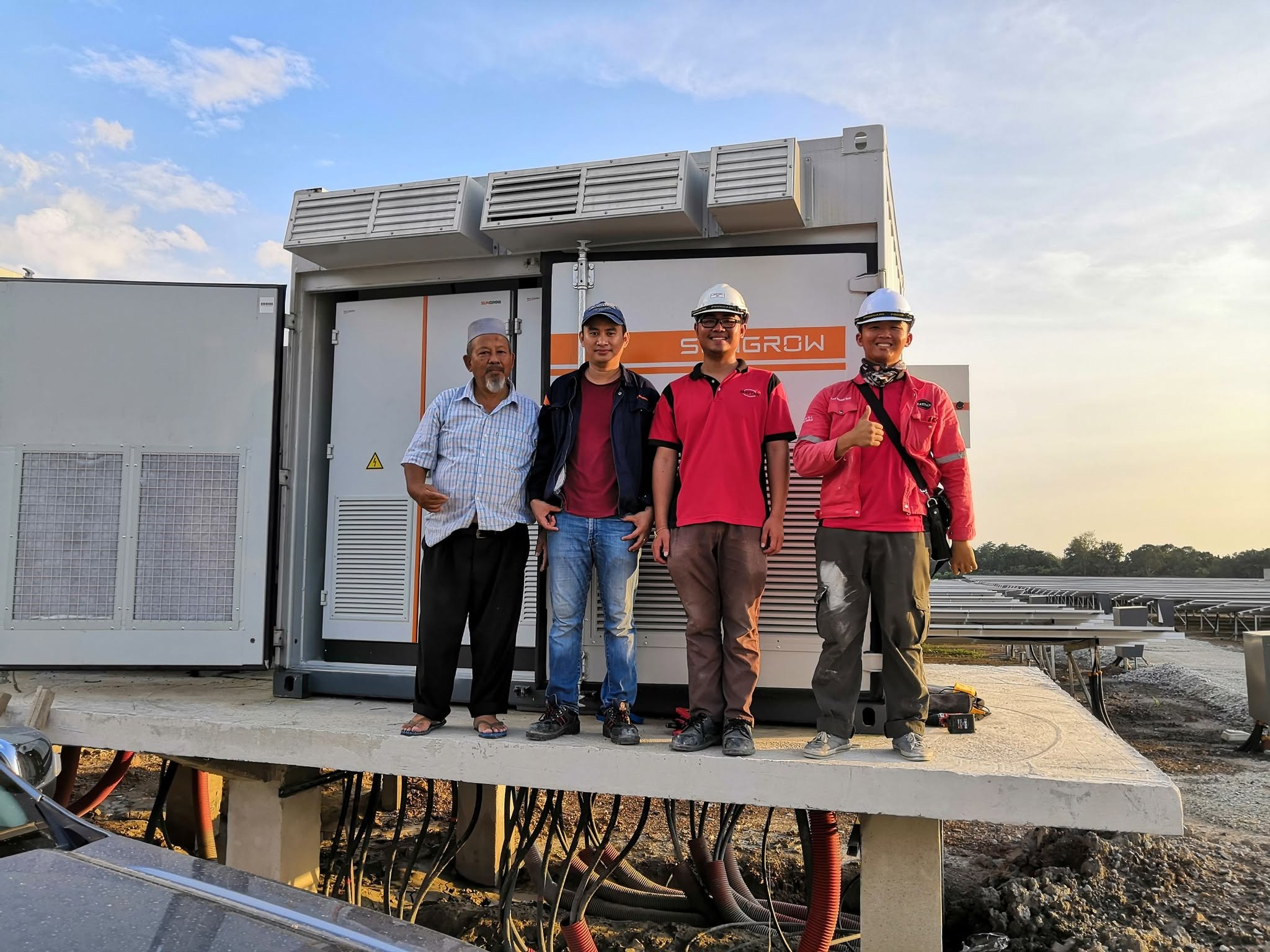
On-site service at a 50 MWac LSSPV project in Rembau, December 2018.
One of the biggest challenges I faced came during the early commissioning of a large solar project. We discovered that one of the solar inverters was faulty while the customer worked hard to meet the project’s Commercial Operation Date (COD). Time was very limited, and every delay could affect the project schedule.
Instead of giving up, my team and I investigated the problem quickly. We carried out on-site troubleshooting, analysed the inverter, and used available spare parts to repair the unit immediately. By working closely with the customer and our engineering team, we restored the inverter and minimised the project delay.
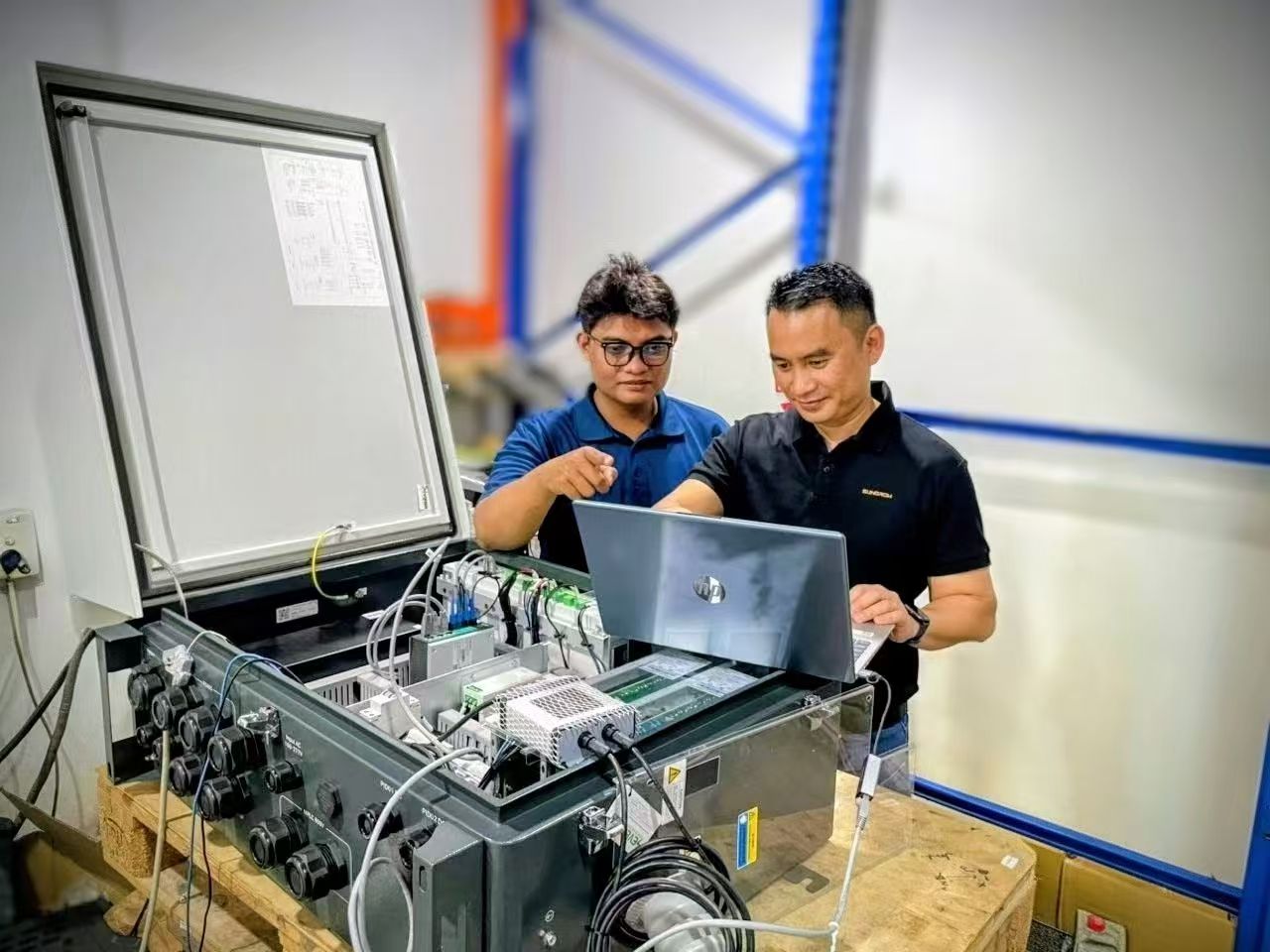
Product training session at a distributor’s office, March 2026.
There have also been projects where technical issues meant the system could be accepted only with certain conditions while improvements were completed. These experiences taught me that engineering is not only about technical knowledge—it is also about teamwork, communication, critical thinking, and staying calm under pressure.
Every challenge is an opportunity to learn. Solving difficult problems helps us improve future products and provide better solutions for our customers.
Many people think engineers only work in offices or laboratories. What do you think of this perception? Where have you worked?
I think this perception depends on the type of engineering career. Some engineers mainly work in offices or laboratories. Still, many of us spend a significant amount of time in the field.
In my role as a service engineer and now as a Distribution Service Manager, I travel frequently to support customers and distributors. In addition to working throughout Malaysia, I have also supported projects and technical activities in Indonesia, Singapore, and Vietnam.
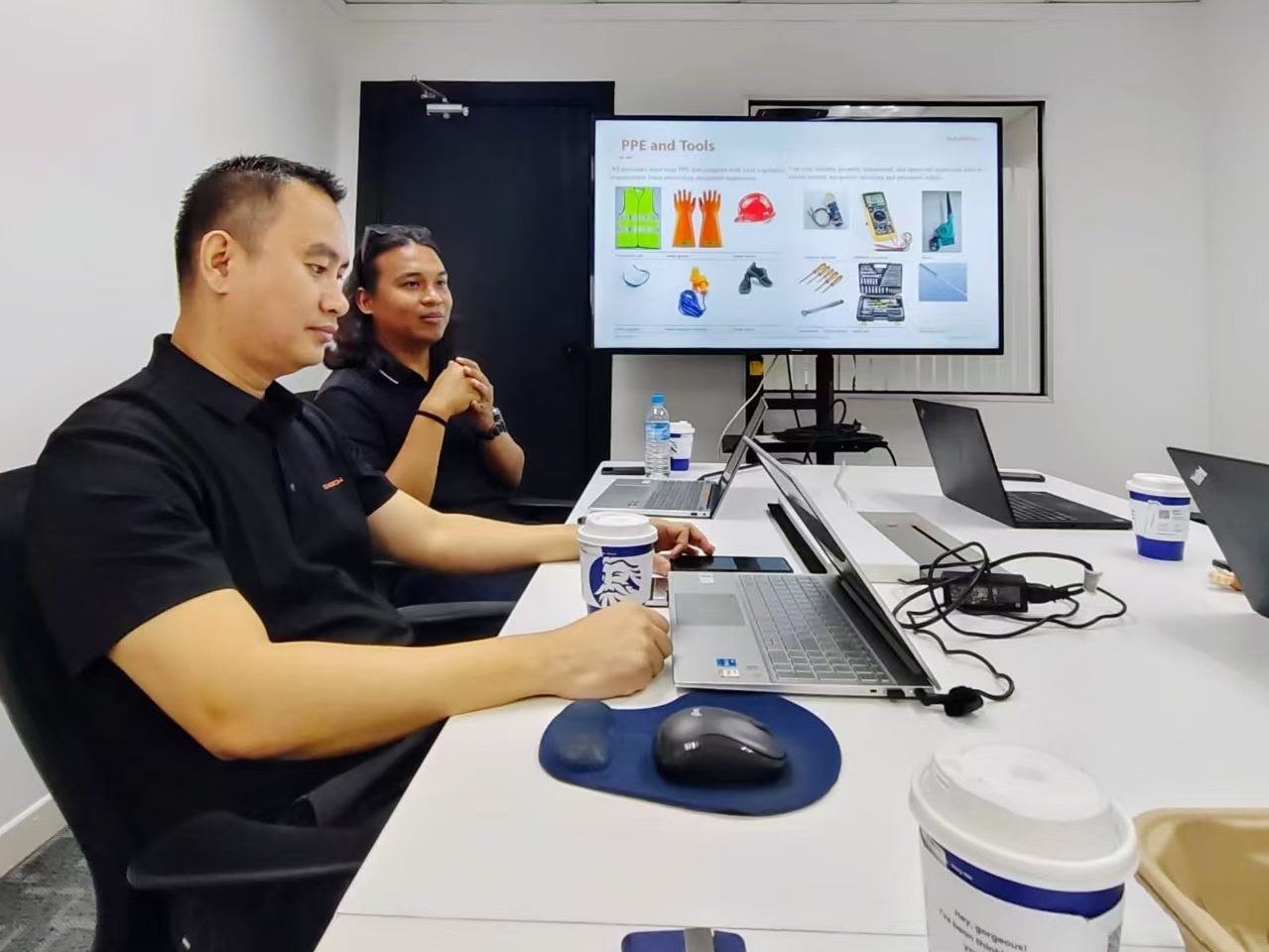
Meeting and training session at one of our client’s offices, August 2026.
My workplace is not limited to an office. I have worked at ground-mounted solar farms, rooftop solar installations, factories, commercial buildings, and construction sites. Every site presents different challenges, from commissioning new systems to troubleshooting technical issues and providing engineering support.
I also work closely with installers, customers, distributors, and our R&D engineers to solve problems and continuously improve our products. This is what makes engineering exciting—every day is different, and there is always something new to learn.
Engineering is a hands-on profession where teamwork, communication, and practical problem-solving matter as much as technical knowledge.
Can you share any interesting or funny stories while pursuing your work?
One of the most interesting experiences in my career was commissioning several large-scale solar (LSS) projects. In many cases, I completed the commissioning work on my own, which was both challenging and rewarding.
In addition to commissioning the central solar inverters, I configured and verified the local SCADA monitoring system to ensure the plant could communicate properly and display all operational data correctly.
This meant I had to understand not only the inverter itself but also communication networks, monitoring systems, and how different equipment worked together.
Completing the project and seeing the solar power plant begin generating electricity gave me a great sense of achievement. It also taught me that engineering is about continuous learning. Sometimes, you need to step beyond your primary role, acquire new skills, and solve problems independently to ensure a project’s success.
What motivates you when you feel “down,” and how do you come back stronger and more enthusiastic at work? What do you find most rewarding about your job?
One of my biggest sources of motivation is solving customers’ problems, especially when working under tight project schedules and high pressure. Earlier in my career, I supported many large-scale solar (LSS) projects across Malaysia. Although the responsibility was demanding, overcoming technical challenges and helping customers meet project milestones gave me a strong sense of accomplishment.
Seeing a solar power plant operate successfully is one of the most rewarding moments in my job. It reminds me that our products help generate clean, renewable energy and contribute to a more sustainable future.
Knowing my work supports the transition to green energy motivates me to keep giving my best.
Another factor that keeps me enthusiastic is continuous learning. Technology in the renewable energy industry is evolving rapidly, with smarter, more efficient products introduced every year. I enjoy expanding my technical knowledge and learning new technologies because each new skill makes me a better engineer and helps me serve our customers more effectively.
What advice would you give young people interested in pursuing a career in STEM?
My advice is to stay curious, never stop asking questions, and not be afraid of Mathematics and Science. These subjects may seem challenging at first, but they are the foundation of many exciting STEM careers.
I also encourage students to gain as much hands-on experience as possible. In engineering, theory and classroom knowledge are important, but they are only part of the learning process. When you apply what you have learned in real situations, you develop a much deeper understanding and build confidence in your abilities.
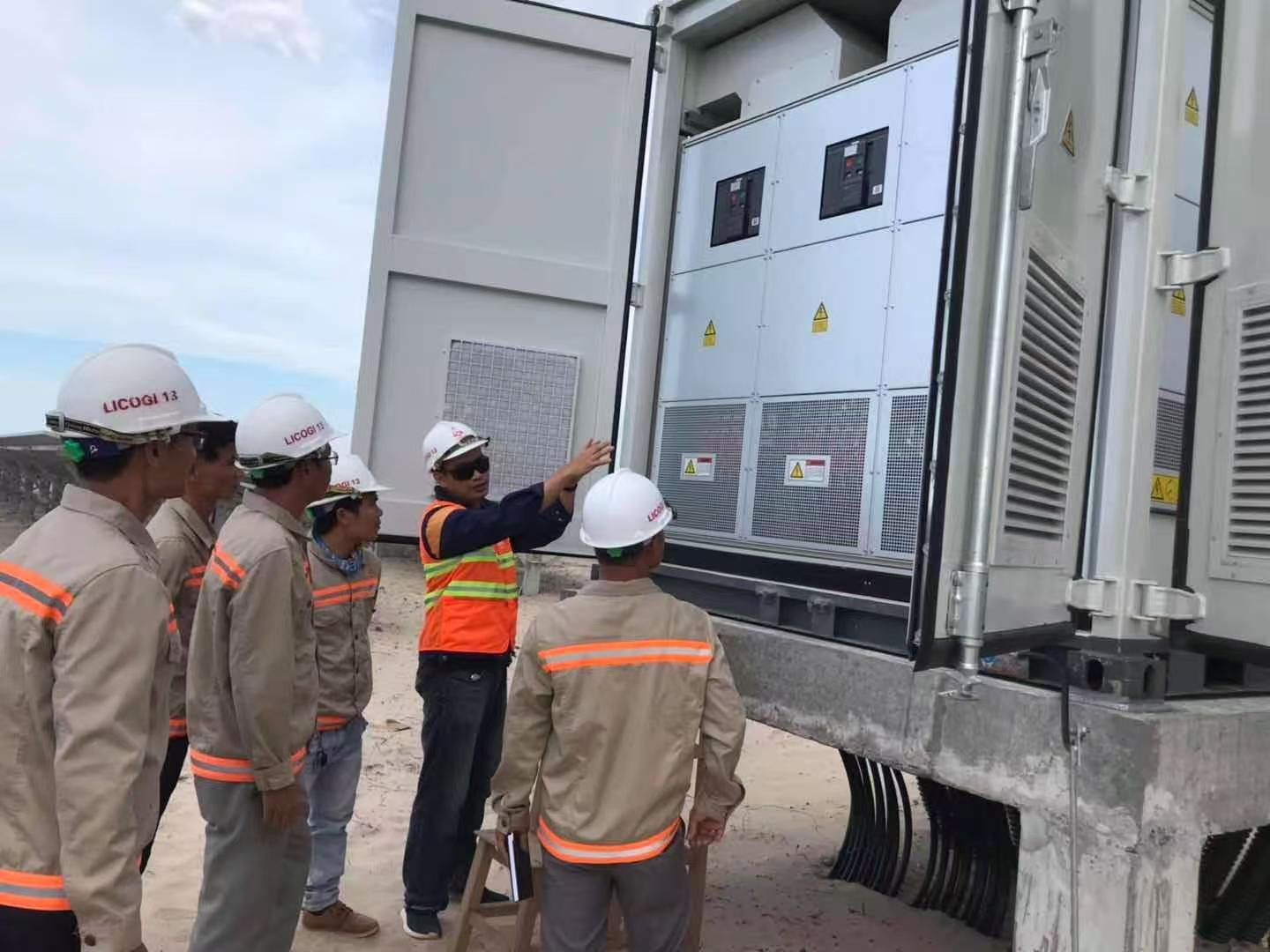
Product training following the commissioning of a solar project in Vietnam, May 2019.
Engineering is a career where you will continue learning throughout your life. Every project, every challenge, and every new technology teaches you something new.
If you enjoy solving problems, working with technology, and making a positive impact on society, then STEM can be a very rewarding career.
What skills do you think they should develop?
I believe young people interested in STEM should develop more than strong academic knowledge. Problem-solving and critical thinking are especially important because, in real engineering work, solutions are not always found directly in a textbook. Engineers often need to investigate a problem, analyse the situation, and find the best practical solution.
I would also encourage students to develop hands-on skills. From my own experience, there is a big difference between understanding something in theory and actually working with the equipment. Hands-on experience helps you understand how things work in the real world and, importantly, builds your confidence.
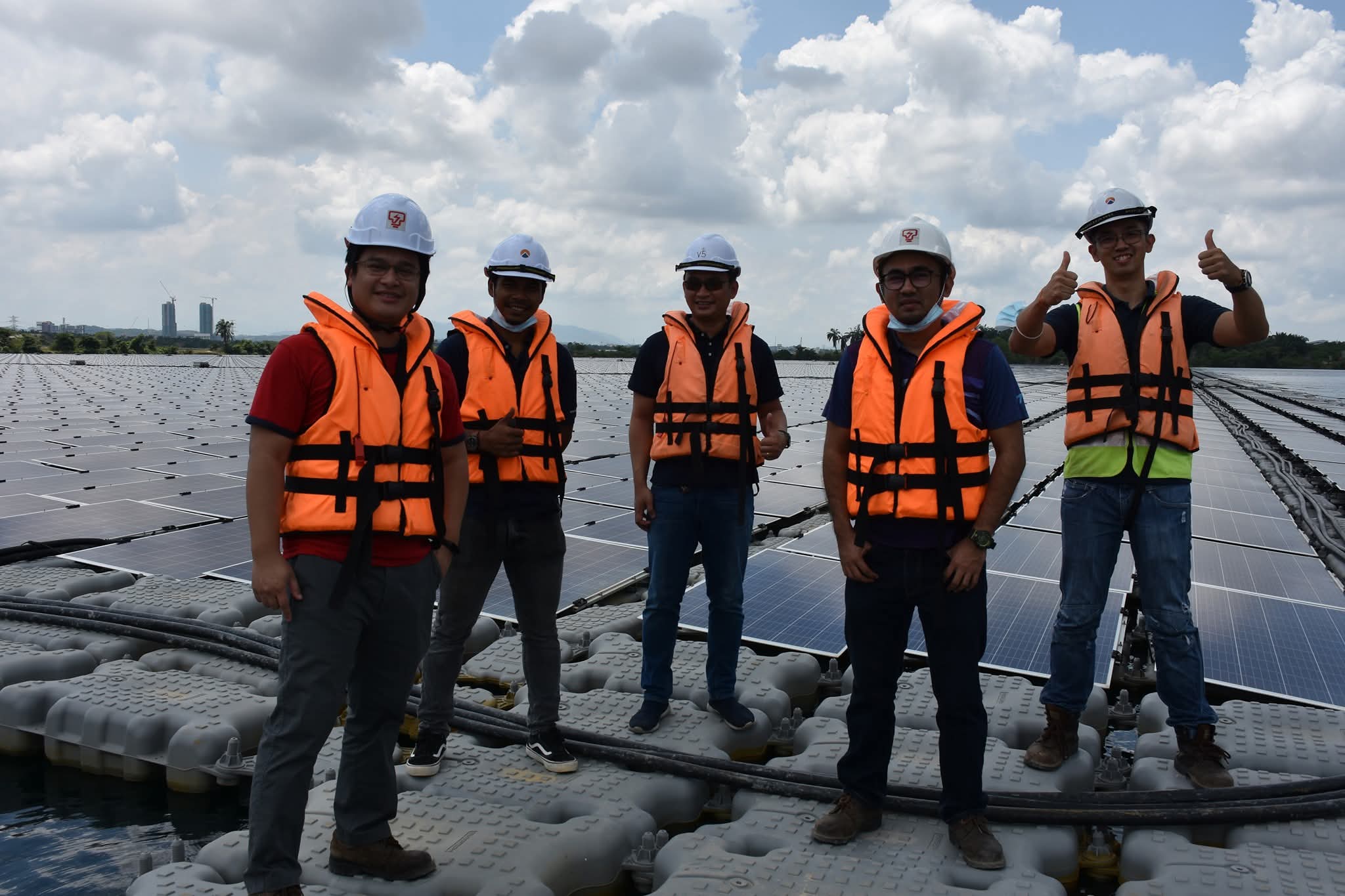
10 MWac floating solar project achieved Commercial Operation Date (COD), August 2020.
Communication and teamwork are also essential. Engineering projects involve many people, including customers, installers, engineers, suppliers, and R&D teams. Being able to explain a technical problem clearly and work together with others can make a big difference in solving a problem successfully.
Finally, I would encourage students to develop a willingness to keep learning. Technology is constantly changing, especially in areas such as renewable energy and solar technology. What we learn today may be improved or replaced by new technology in the future. Being willing to learn, adapt, and improve is therefore one of the most important skills for a successful STEM career.
My key message to students would be: Don’t only learn to pass an exam—learn to understand, learn to do, and learn to solve problems.
What areas will be most exciting to explore in the coming years?
I believe the future of STEM will be very exciting, especially in renewable energy, energy storage, artificial intelligence, and smart energy management.
From my experience in the solar industry, I have seen how quickly solar technology has developed over the years. Solar inverters are becoming more efficient, intelligent, and better at communicating with other energy systems. I believe we will continue to see significant improvements in this area.
Another exciting area is Battery Energy Storage Systems (BESS). As more renewable energy connects to the electricity grid, energy storage will become increasingly important: storing electricity when it is available and supplying it when it is needed.
I also believe Artificial Intelligence (AI) will play a bigger role in the energy industry. AI can potentially help us monitor equipment, identify problems earlier, predict maintenance requirements, and optimise how energy is generated and used.
For young people, I would encourage them not to think of STEM as separate subjects. The future will require different technologies to work together. An engineer working in renewable energy today may need to understand electrical engineering, software, data, communications, and even AI.
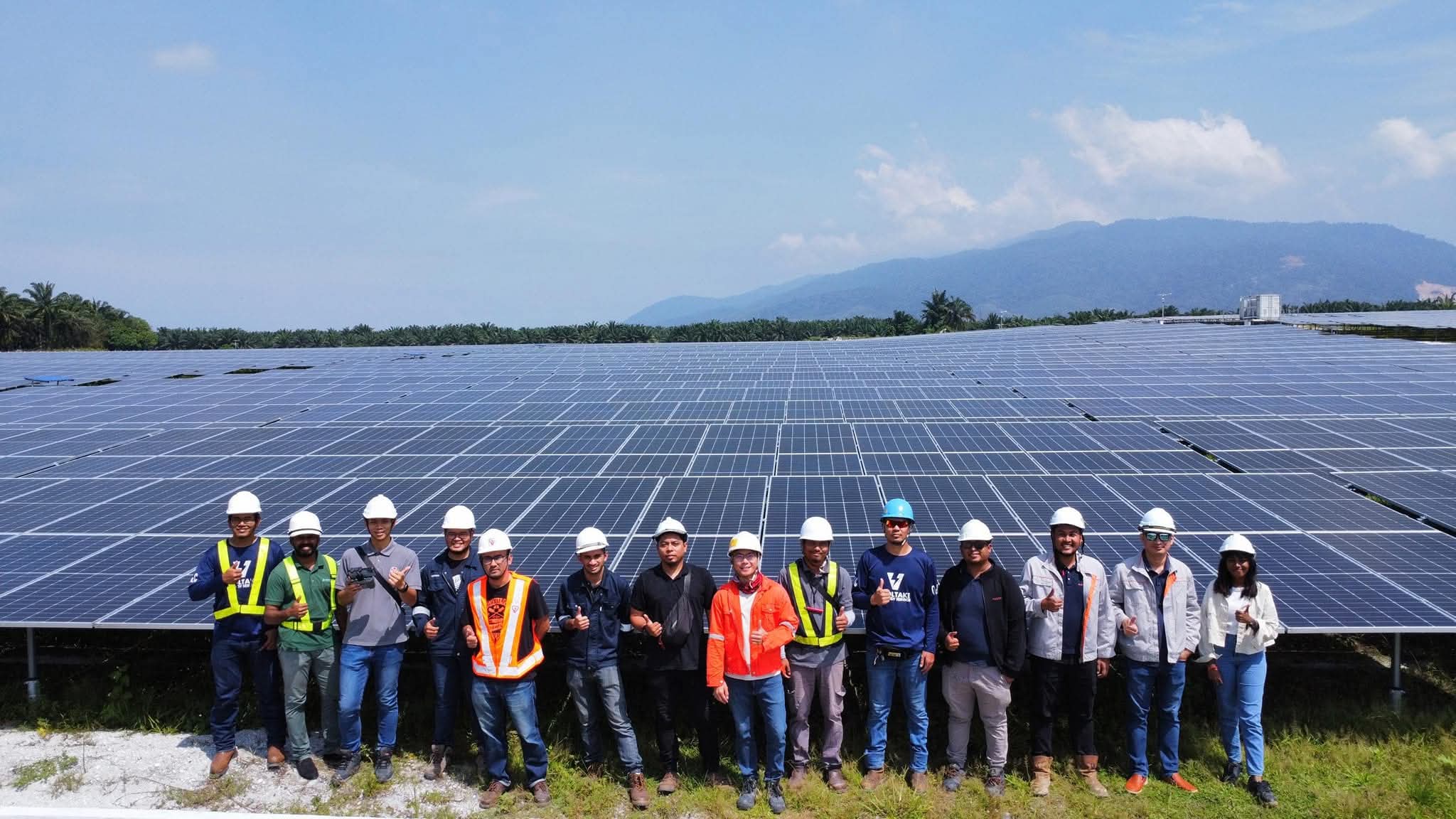
Commissioning of a 10 MWac Solar Plant in Temoh, Perak, in February 2024.
The most exciting part is that many of these technologies are still developing. This means today’s students can become the engineers, scientists, and innovators who shape what the future of energy will look like. 🐝
This article was developed as part of a collaborative effort between e-estidotmy, an initiative of ASM, and Kementerian Pendidikan (KPM).